The news tells you what happened. We explain what changed.

Explore all past issues, only on Beehiiv.
Every story we have published, newest first.
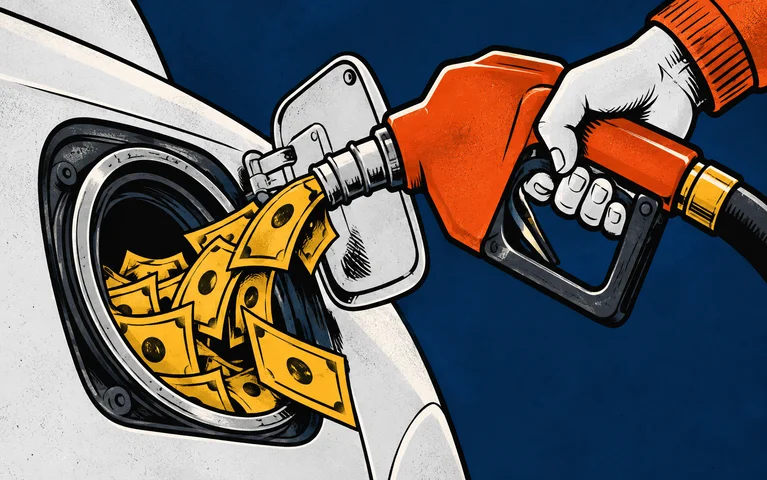
Retail sales rose 0.8% in September, but gasoline accounted for an unusually large share of the increase. For commuters already reorganizing their lives around fuel costs, higher spending is increasingly a measure of what it costs to maintain the same routine.
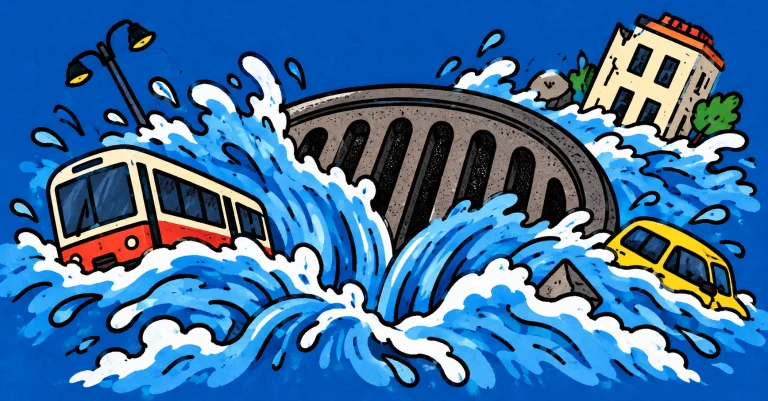
Heavy rainfall flooded homes, businesses and major transportation routes across Turkey's largest city. The disruption illustrates how quickly extreme weather can overwhelm the systems that keep urban life functioning.

Dubai is adjusting how it measures tourism success, putting more emphasis on higher-spending repeat visitors who could eventually become residents, business owners or investors rather than simply maximizing arrival numbers. Issam Kazim, CEO of the Dubai Corporation for Tourism and Commerce Marketing, said the city is increasingly focused on the “quality rather than the quantity” of visitors as it plans toward 2027. The strategy fits Dubai’s broader effort to use tourism as the top of a longer economic funnel: visit the city, return, establish a business, buy property or relocate. That changes tourism from a hospitality strategy into a population and capital strategy. Cities around the world compete for visitor spending, but Dubai is increasingly competing for what visitors might do after the vacation ends. The more important metric may no longer be how many people arrive at the airport, but how many eventually decide they have a reason to stay.
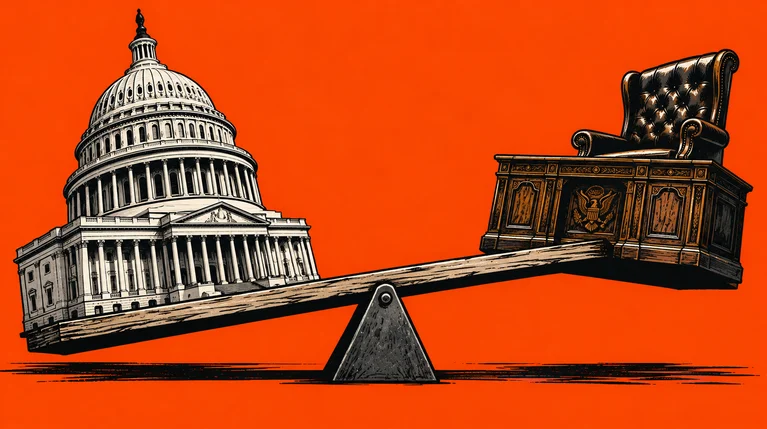
Voters will not choose a president on November 3. But they will decide how much power President Donald Trump has to carry out his agenda during the final two years of his term — and whether Congress becomes a partner, a brake or something in between.
Chicago is moving to make its Smart Streets camera-enforcement program permanent and expand it citywide after a downtown pilot produced nearly $4.5 million in fines for vehicles blocking bus lanes, bike lanes and bus stops. Cameras mounted on CTA buses and city vehicles document violations, allowing tickets to be issued without an enforcement officer standing on the street. City data show that roughly $2.6 million from those citations has actually been collected. Supporters argue that blocked lanes slow buses, force cyclists into traffic and make infrastructure ineffective even after taxpayers pay to build it. Critics of automated enforcement often focus on whether cameras become another revenue-generating system that disproportionately penalizes drivers. Chicago’s expansion pushes that debate into a broader question: if a city builds dedicated space for transit and bicycles but drivers routinely occupy it, how much enforcement is necessary before the infrastructure works as designed?

Jobs, healthcare and education can exist in the same metropolitan area without being practically reachable by every resident.
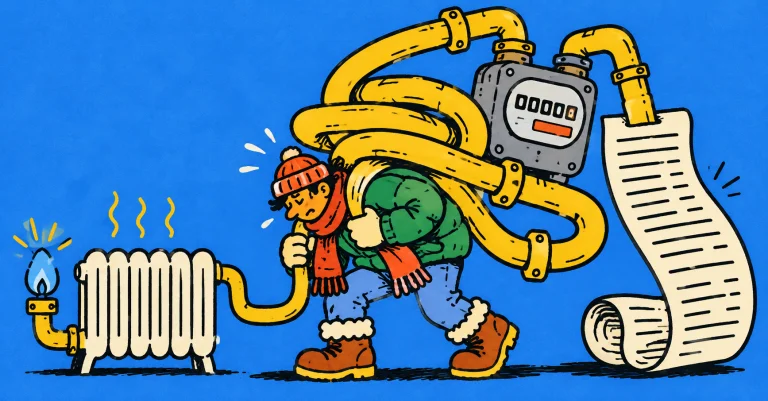
About 1.2 million National Grid customers in Brooklyn, Queens and Staten Island are expected to spend an average of $87 more on natural gas between November and March than they did last winter. The increase is not primarily coming from the commodity price of natural gas. Gothamist reports that gas prices themselves are expected to be lower, while delivery charges are projected to rise by about $211 over the five-month period under rates approved by New York regulators in 2024. Actual household bills will still depend on weather and consumption. The numbers illustrate why falling energy prices do not automatically produce falling utility bills: customers are paying both for the fuel and for the infrastructure, labor and financing required to deliver it. For households already budgeting around rent, food and transportation, the delivery side of an energy bill can erase savings that appear to exist in the underlying commodity market.
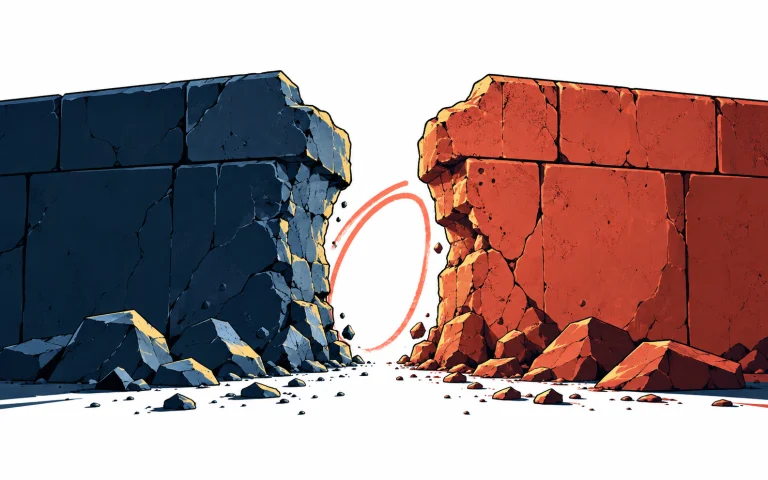
New Pew data shows U.S. views of China are less hostile than they were five years ago, especially among younger Americans and Democrats. The shift does not mean China is popular. It means outright hostility is softening.

There is an understandable instinct to protect the things that make a city recognizable. New York has yellow taxis, brownstones, Broadway marquees, hot dog carts and, for more than 150 years, horse-drawn carriages circling Central Park. Tourists recognize them before they ever arrive. Movies helped turn them into shorthand for romance in New York. But longevity is not the same thing as justification. Sometimes the hardest part of preserving a city’s identity is accepting that not everything from its past deserves to follow it into its future.

Both companies say their technology does not determine what individual customers pay. Lawsuits, patents and growing scrutiny are shifting the debate toward what these systems are capable of doing.
U.S. stocks recorded their worst trading day since July on October 14 as accelerating inflation renewed expectations that the Federal Reserve could raise interest rates again. The S&P 500 declined 1.1% to 7,718.94, while the Nasdaq Composite fell 1.9% to 26,692.87, according to the Associated Press. The Dow Jones Industrial Average slipped 0.1%, and the Russell 2000 index of smaller companies also declined 1.9%. The selloff followed inflation data showing consumer prices had risen 3.7% over the previous year, increasing concern about tighter monetary policy. Higher financing costs can affect business expansion, corporate investment and hiring decisions, particularly for companies dependent on borrowed capital. However, a single trading session does not establish that employers will reduce hiring or that economic growth will slow. The more consequential development is the return of uncertainty around the cost of financing future growth. For businesses already evaluating whether to invest, expand or preserve cash, that uncertainty may become more important than the stock market's daily movements.
Britain's economy expanded by just 0.1% in August, slowing from 0.4% growth in July, according to figures released October 15 by the Office for National Statistics. Production increased 0.8% during August, while services recorded no growth and construction declined 0.2%. The broader three-month picture was stronger, with GDP growing 0.7% in the three months through August and services output increasing 0.9%. Those figures show an economy that is expanding but not consistently across industries or time periods. The August slowdown also illustrates why a positive headline GDP figure does not necessarily indicate that businesses throughout the economy are experiencing similar conditions. For workers and consumers, the next question is whether continued growth translates into stronger employment, real earnings and household purchasing power. Britain's economic performance will depend not only on whether output keeps increasing but also on how broadly the benefits of that expansion are distributed.
