Good morning, and happy Friday. This week the official numbers kept saying “fine.” Unemployment held at 4.2%, retail sales beat expectations and Social Security checks are going up. Look closer and the jobs aren’t opening, the gas tank ate the spending and the raise doesn’t cover the receipt.
The IMF's October 13 Global Financial Stability briefing warned that calm markets may conceal pressure from sovereign debt, cyberattacks and leveraged nonbank lenders. Reuters reported that the share of global banking assets in banks with weak capital cushions rose to 22%, from 18% in the earlier comparison, even as the IMF judged the banking system broadly resilient under stress tests. Those percentages do not mean one-fifth of banks are failing; they describe assets held by institutions that appear vulnerable under the report's capital test. The warning shifts attention from headline stock gains to the channels through which market stress could reach credit availability and borrowing costs.
Workers' wages rose in dollar terms in September, but their purchasing power declined. The Bureau of Labor Statistics reported October 14 that average hourly earnings increased 0.1% from August while consumer prices rose 0.6%, leaving inflation-adjusted hourly earnings down 0.5% for all private nonfarm employees. Real weekly earnings also declined 0.5% over the month, and real hourly earnings were 0.7% lower than a year earlier. These are averages across workers, not evidence that every employee experienced a pay cut. They illustrate how a nominal raise can be overtaken by higher prices, leaving less spending power for housing, transportation and routine purchases. The release does not establish what happened to any individual household.
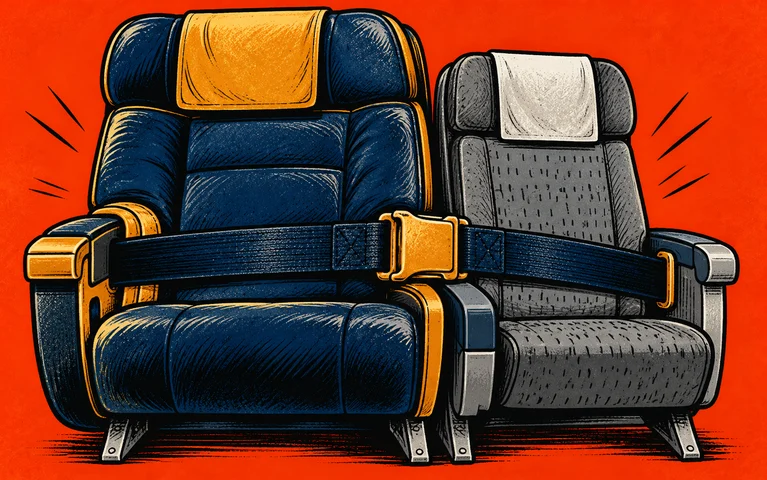
A viral airport story about a father boarding ahead of his wife and children has reopened a larger conversation about travel, status and companionship. Weeks after Savannah James drew criticism for flying first class while a close friend flew business, the question is becoming less about the seat and more about what traveling together is supposed to mean.
The Bureau of Labor Statistics reported October 14 that U.S. consumer prices rose 0.6% in September and 3.7% over 12 months, up from 3.4% annual inflation in August. Gasoline prices jumped 9.1% during September, accounting for more than half of the monthly increase in the overall index; the broader energy index rose 5.2%. Shelter costs increased 0.4% and food prices were essentially unchanged overall. The numbers show why an inflation report can feel more severe to households that drive frequently than to those with different spending patterns. They also raise questions for borrowers and retailers about whether higher energy costs will continue spreading into other prices. This is a report on September prices, not a prediction of October fuel costs.
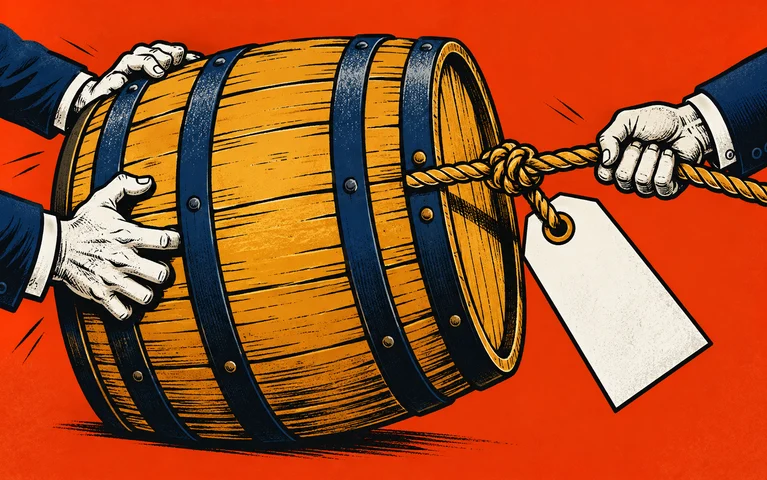
Three potential buyers are now circling the whiskey brand after an earlier deal collapsed. The receiver plans to use Chapter 11 to sell the assets without carrying over the company’s existing liabilities.
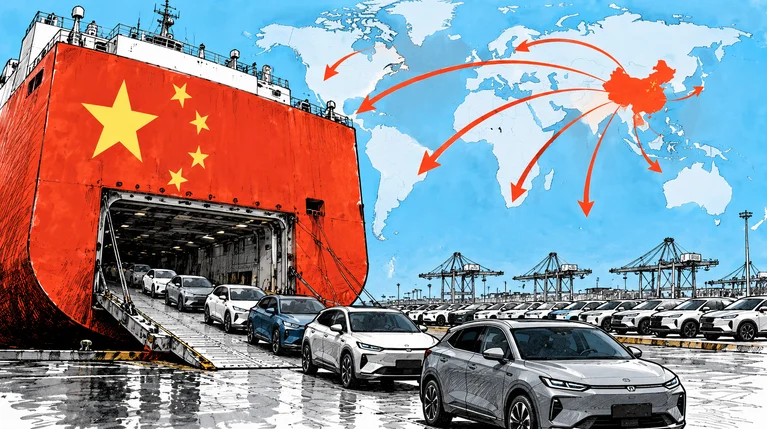
China’s automakers are leaning harder on foreign markets as home sales weaken, but the export surge is already colliding with quotas, tariffs and pressure to build cars overseas.
The economy is sending two messages at once. Americans are still employed, markets remain relatively strong and consumer spending has not collapsed. But underneath those headline numbers, prices are accelerating, hiring is weak and voters are increasingly impatient with a system that feels more expensive without feeling more secure. That tension runs through several of the stories worth watching today. At the same time, the approaching midterms are turning disputes over the economy and voting rules into tests of public trust, while another intensifying hurricane offers a reminder that extreme weather is becoming part of the regular operating environment rather than an occasional disruption.
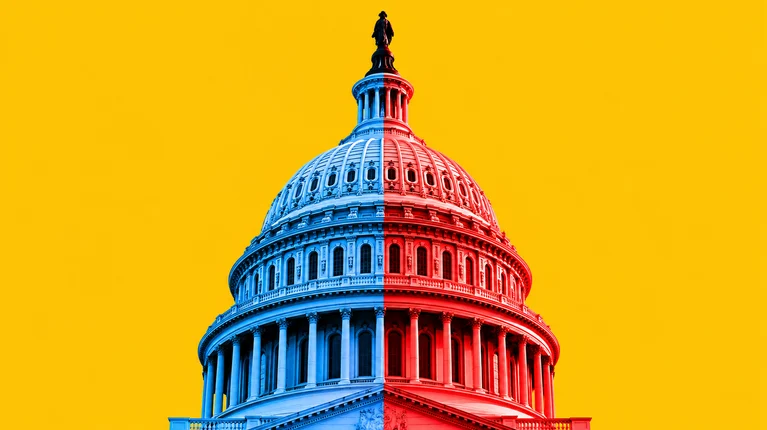
New Pew Research Center polling finds that voters see Democrats as more likely to take control of the House in November, while expectations for the Senate remain almost evenly divided.
The social network plans to add payments for buying, selling and fundraising. The bigger test is whether an open platform can build a sustainable business without turning users into advertising inventory.