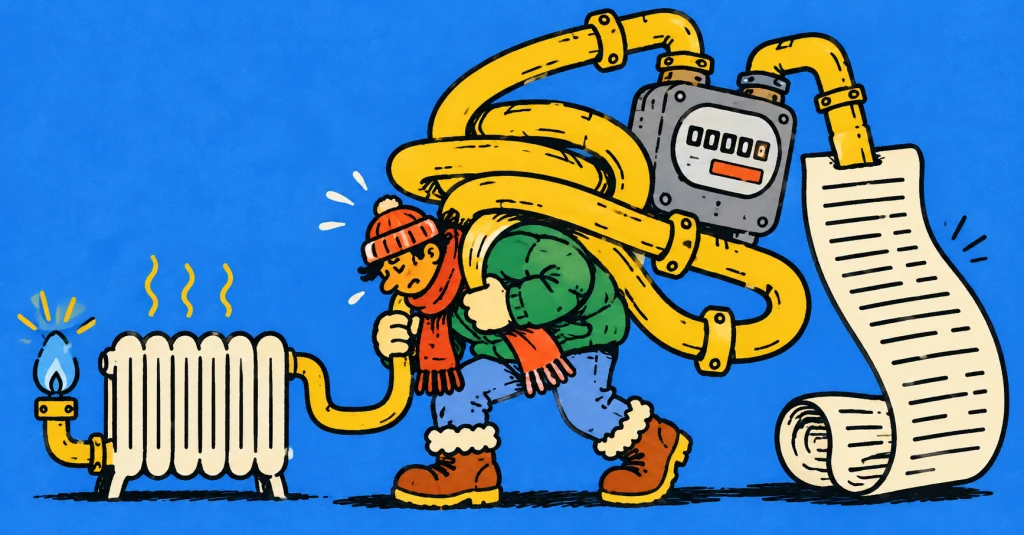
About 1.2 million National Grid customers in Brooklyn, Queens and Staten Island are expected to spend an average of $87 more on natural gas between November and March than they did last winter. The increase is not primarily coming from the commodity price of natural gas. Gothamist reports that gas prices themselves are expected to be lower, while delivery charges are projected to rise by about $211 over the five-month period under rates approved by New York regulators in 2024. Actual household bills will still depend on weather and consumption. The numbers illustrate why falling energy prices do not automatically produce falling utility bills: customers are paying both for the fuel and for the infrastructure, labor and financing required to deliver it. For households already budgeting around rent, food and transportation, the delivery side of an energy bill can erase savings that appear to exist in the underlying commodity market.