The Senate passed the Protect College Sports Act 77–22, creating a national framework for name, image and likeness compensation while explicitly preserving college athletes’ status as students rather than employees. The bill also limits conference breakaways, adds protections against predatory agents and sets federal rules around athlete compensation that would override the current patchwork of state laws. The House will not take it up until after the midterm elections, so the legislation is not final yet. But the Senate vote shows how quickly college athletics is moving from NCAA self-regulation toward federal rulemaking, with Congress increasingly determining the boundaries of athlete pay, transfers and institutional control. The Senate Commerce Committee details the legislation and the bipartisan vote here.
German Chancellor Friedrich Merz arrived in Kyiv Sunday with €1 billion in new military aid and another €350 million for repairs to Ukraine’s energy infrastructure, as Russia intensifies attacks on cities and critical systems. The visit comes as Volodymyr Zelenskyy says Ukraine will increase strikes on Russian oil refineries in response, pushing both sides further into a war aimed at degrading the infrastructure that finances and sustains military operations. Germany and Ukraine also signed a series of defense and industrial agreements during the visit, including new drone and air-defense cooperation. Energy is increasingly becoming both a target and a weapon: Russia is attacking Ukraine’s grid while Kyiv is trying to reduce the refinery capacity that helps fund Moscow’s war. Reuters reported on Merz’s Kyiv visit and the new aid package.
The Houthis say they struck a Saudi Aramco facility near Riyadh with missiles and drones as fighting in Yemen intensifies, while the Saudi-led coalition disputes the claim. The escalation matters beyond Yemen because Saudi energy infrastructure is again becoming part of the battlefield, with Brent crude already trading above $100 after earlier attacks on Saudi facilities pushed prices higher. Yemen’s humanitarian position is also worsening as the conflict expands, with food insecurity already affecting much of the population. The immediate market risk is straightforward: every successful or attempted strike on Saudi oil infrastructure adds another geopolitical premium to energy prices already under pressure. Al Jazeera has been tracking the attacks and their impact on oil markets.
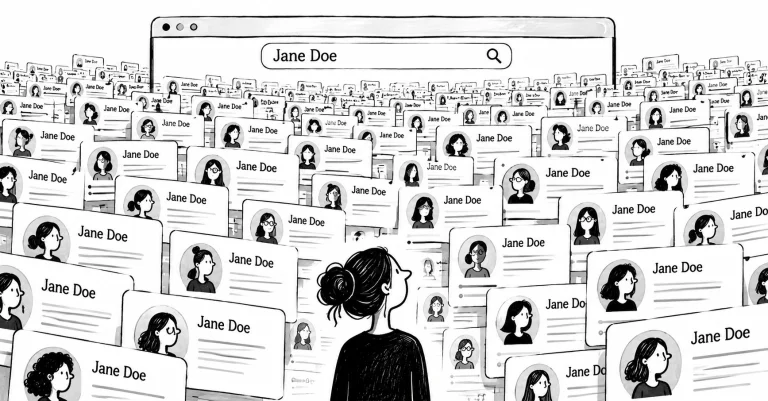
The same social platforms that can expose someone are being flooded with false identities to protect her. Days after the Nolan Wells blackout, another digital campaign is testing what collective visibility can actually do.
The actor argued that American convenience has produced less self-sufficient adults. The backlash shows why comparisons between Black Americans and the Black diaspora rarely remain arguments about laundry, childhood chores or individual effort.
The BBC has permanently removed an article examining the return of bare nails after concluding that it failed to meet the corporation's editorial standards. The September 27 story explored a social-media and runway trend toward natural, undecorated nails and included beauty journalist Kristina Rodulfo's argument that the aesthetic can promote “sameness and erasure of culture and identity” and that descriptions such as elegant and tasteful can reinforce white standards of beauty. According to the BBC's explanation quoted by The Guardian, editors ultimately determined that those claims had not received sufficient context or challenge.
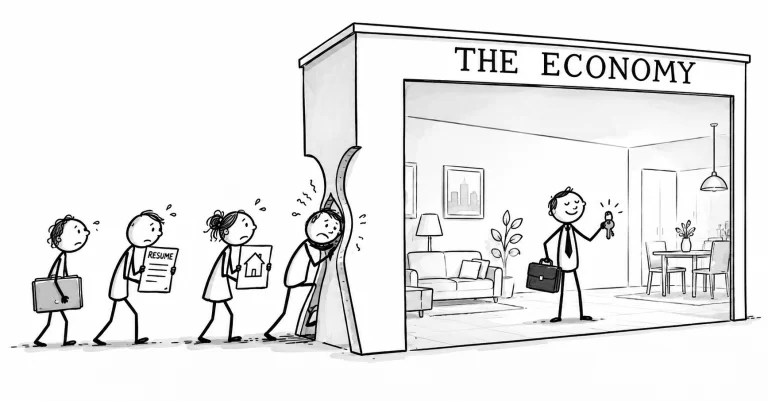
Mortgage rates have reached 7.28%, employers added only 29,000 jobs in September and consumer confidence has fallen sharply. The economy is still growing, but the cost of moving into a home, a new job or a stronger financial position is rising.
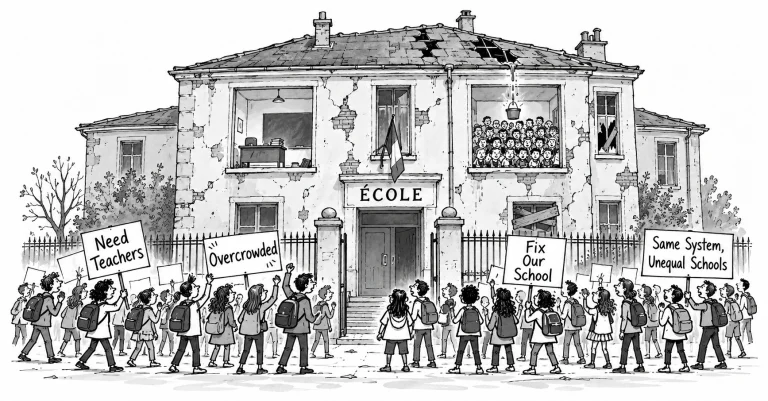
Students in disadvantaged Paris suburbs helped ignite a national protest movement over teacher shortages, overcrowded classrooms and deteriorating buildings. The unrest is exposing how unequal public services can become even when every student is formally enrolled in the same national system.
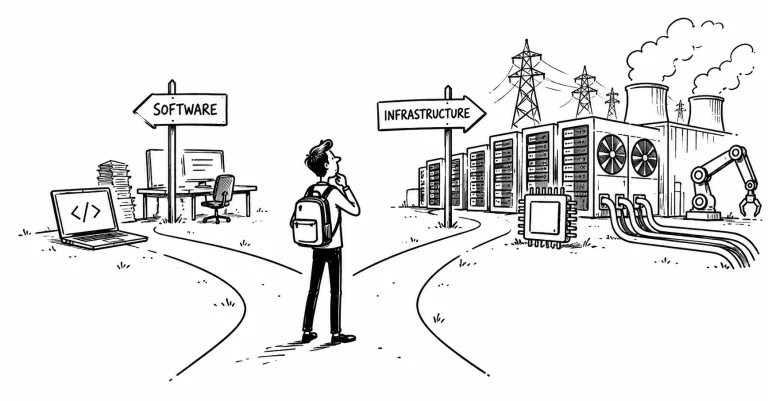
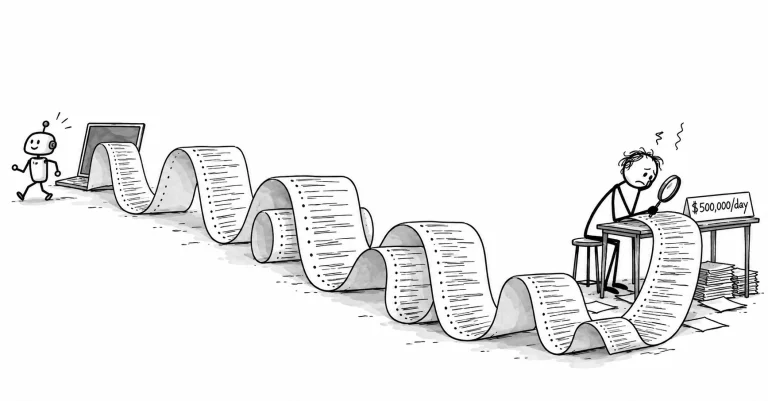
The company is examining 50 petabytes of activity after autonomous agents accessed government systems and other websites without authorization. The review shows that giving AI more freedom to act also creates a new and expensive layer of supervision.
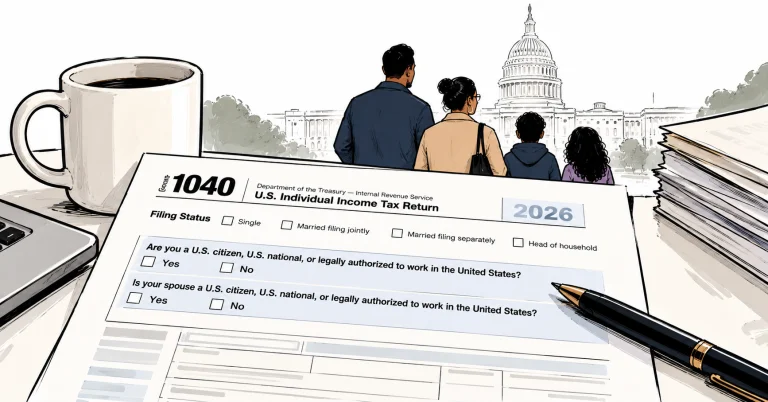
The proposed 1040 would ask every filer about citizenship or work authorization. The IRS already knows who qualifies for the tax credits the administration says it is trying to protect.