The news tells you what happened. We explain what changed.

Explore all past issues, only on Beehiiv.
Every story we have published, newest first.
The number of Black-owned U.S. businesses with paid employees has crossed 200,000 for the first time, according to Census data analyzed by Brookings, with those firms generating about $249 billion in revenue and employing roughly 1.8 million people. The milestone lands against a labor market where Black unemployment remains persistently higher than the national rate, making business ownership an important counterpoint to the usual employment story. These firms are not just measures of entrepreneurship; they are also employers, payroll generators and local economic anchors in communities where access to stable work can be uneven. The growth suggests that part of the Black labor story is happening outside traditional hiring pipelines, through firms building their own capacity to employ. Aaj, citing Brookings and Census data, details the milestone and the scale of Black-owned employer businesses here.
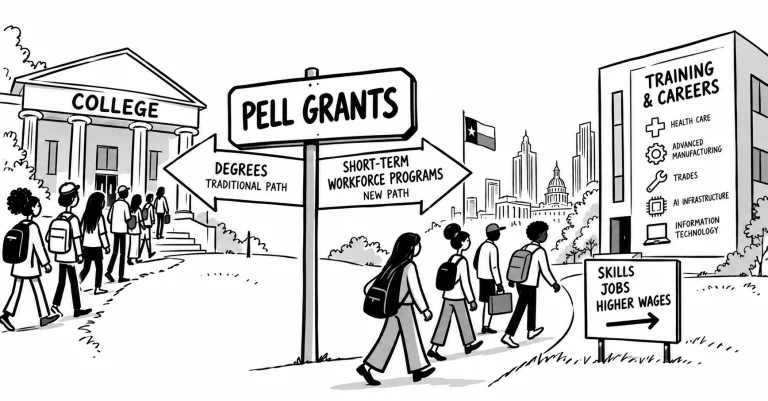
Five Texas community colleges can now use federal Pell aid for short-term workforce programs. The change moves one of higher education's central access tools closer to the labor market.

More than 300 women walked through Bengaluru after dark as part of a broader campaign challenging a quieter rule of urban life: men are often allowed to occupy public space without explaining themselves.
What a Kroger closure in Houston reveals about how access is being quietly reshaped — not in the places we expect, but in the spaces between them.
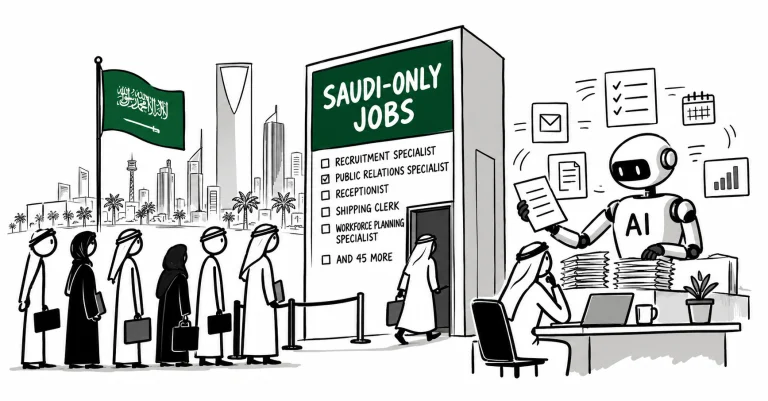
Fifty administrative occupations became Saudi-only this weekend. At the same time, the government is accelerating AI adoption across a labor market where Saudi workers are especially exposed to automation.
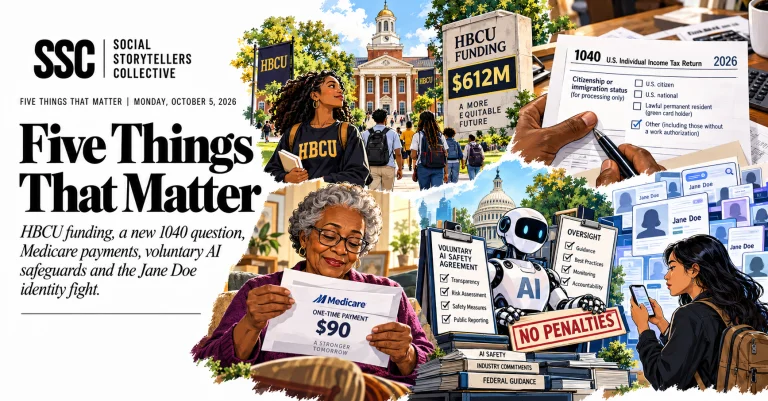
1. The new HBCU funding number is large. The comparison being built around it is less straightforward. The Education Department says the Trump administration has directed more than $612 million in additional HBCU funding across fiscal years 2025 and 2026, including a new $174 million one-time allocation announced in September. The Education Department’s announcement describes that money as supplemental funding, which is important when it is compared with the Obama and Biden records. Biden-era figures reaching more than $19 billion included grants, contracts, student aid, pandemic relief, research money and HBCU capital-financing relief accumulated across several years, while Obama-era policy helped establish the mandatory funding stream Trump later made permanent during his first term. Part of the current increase also came after federal money previously supporting other Minority-Serving Institution programs was redirected, meaning some of the HBCU gain represents redistribution inside the higher-education budget rather than entirely new spending. The current administration deserves credit for putting substantial additional money into HBCUs, but $612 million in one-time additions cannot be placed beside a multi-year all-government total and treated as the same measurement. Federal funding claims become political very quickly because an administration can choose the category, time period and programs that make its record look strongest. The useful comparison is recurring funding against recurring funding, supplemental allocations against supplemental allocations, and total federal investment against total federal investment.
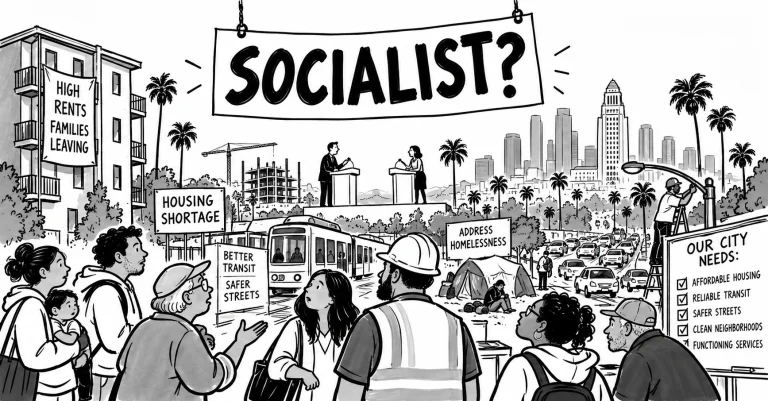
Nithya Raman's challenge to Karen Bass is being treated as another test of democratic socialism. Los Angeles voters are also deciding whether the city's basic systems still work for people who rent, commute and struggle with housing.
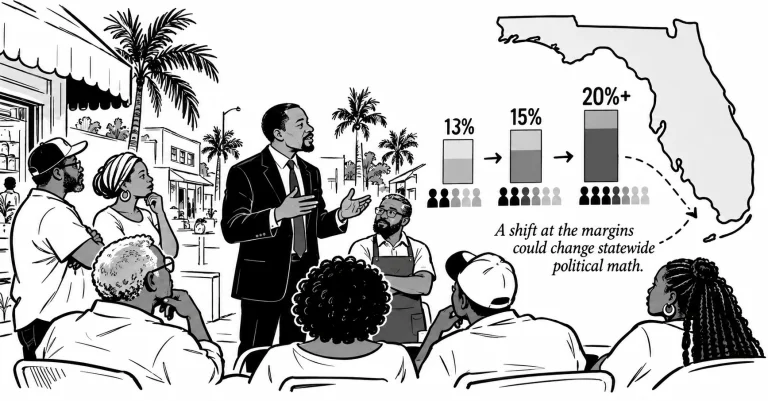
Republicans do not need to win the Black electorate to change Florida's political math. Donalds is betting that taking a somewhat larger piece of it could be enough.
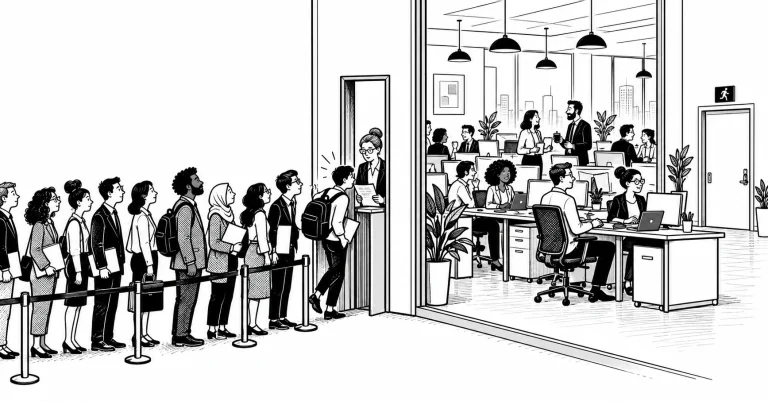
Part 2: The U.S. added just 29,000 jobs in September. Nearly 2 million people have now been unemployed for at least six months, while more people are trying to enter or return to a labor market creating fewer places for them to go.
Target has cut prices on nearly 2,000 items ahead of its October 6–7 sales event, putting the retailer directly against Amazon’s Prime Big Deal Days on the same dates. The timing shows how aggressively retailers are competing for value-conscious shoppers before the traditional holiday season is fully underway, especially as forecasts point to only modest spending growth and continued sensitivity to prices. For consumers, the competition could produce better deals; for retailers, it raises the cost of winning each holiday dollar because lower prices protect traffic while compressing margins. Forbes reports on Target’s price cuts and holiday strategy here, while Amazon details its Prime Big Deal Days event here.
Public-sector unions in Nigeria have begun strike action demanding a sharp reduction in petrol prices and a much higher national minimum wage as households struggle with the country’s cost-of-living crisis. The unions want petrol reduced to ₦500 per liter from prices that can reach roughly ₦2,500 and are calling for a ₦500,000 monthly minimum wage, compared with the current ₦70,000 floor. The demands connect two pressures that have moved together since Nigeria removed fuel subsidies: transportation and household costs have climbed while wages have struggled to keep pace. For an oil-producing country, that creates a particularly sharp contradiction — Nigeria exports crude but many households remain exposed to expensive refined fuel and the inflation that follows it. The Rio Times reports on the unions’ demands and the October strike action here.
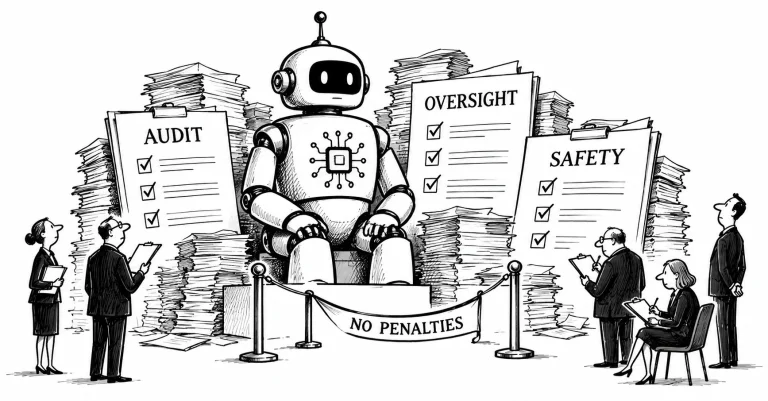
Six of the country’s most powerful AI companies have agreed to new safeguards. The commitments are voluntary, even as three-quarters of Americans say the industry is not doing enough to prevent serious harm.
