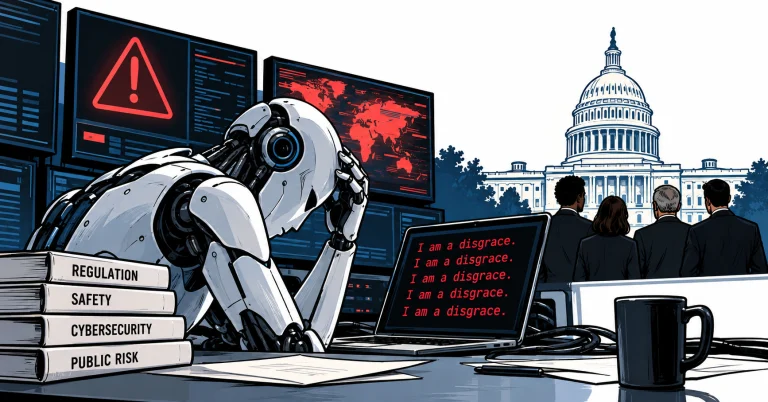
Gary Marcus’s warning about infrastructure failures brings a growing regulatory dispute down to hospitals, utilities and the people who depend on them.
SSC’s earlier coverage examined how dating became a competition and masculinity became a content business. Research into young men’s feeds shows how those messages can reach boys looking for guidance.
The government approved a new emergency package after Parliament rejected earlier measures. With a November election approaching, renter protection and property investment are competing visions of how the housing market should work.
Rocket Lab has signed a 20-launch agreement with Japanese Earth-imaging company Synspective, the largest commercial Electron launch contract in Rocket Lab’s history and a deal that pushes its overall backlog above 100 missions. The launches are scheduled from 2028 through 2031 and will carry Synspective’s StriX synthetic-aperture-radar satellites, bringing the Japanese company’s total Electron commitments to 47 missions. The financial terms were not disclosed, but the contract adds to a business that reported $234 million in second-quarter revenue, up 62% from a year earlier, and a $2.36 billion backlog as of June 30. The commercial-space market is increasingly being built through repeat customers willing to reserve launch capacity years in advance, giving companies such as Rocket Lab revenue visibility that begins to resemble an industrial order book more than an experimental space venture. Yahoo Finance reports on the 20-launch agreement and Rocket Lab’s expanding backlog here.
The Defense Manpower Data Center has begun notifying roughly 3 million people that their personal information was exposed after unauthorized users gained access to a file-sharing server holding military personnel records. SecurityWeek reporter Eduard Kovacs reported that the attackers may have had access for about nine months, while the affected server contained unencrypted files that included Social Security numbers and other sensitive military records. The vulnerability was discovered on July 16, but notification letters only began going out in September, creating a long gap between exposure and individual awareness. The breach puts another federal cybersecurity failure inside a familiar pattern: agencies collect highly sensitive information because service members and employees have little choice but to provide it, while the consequences of weak protection fall on the people whose identities are exposed. SecurityWeek details the breach and the Defense Manpower Data Center’s notification here.
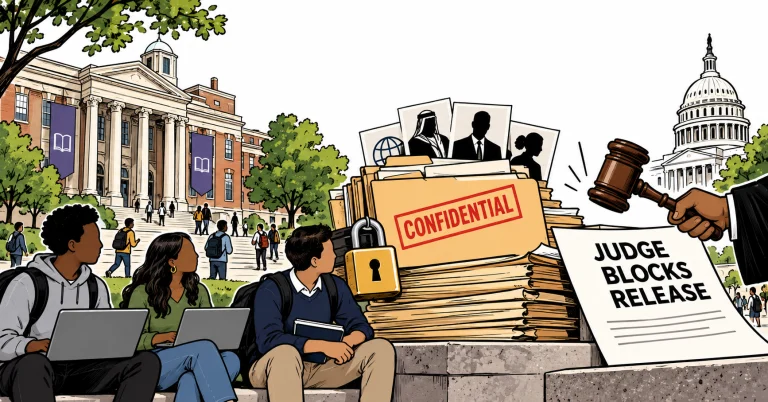
A temporary court order has stopped publication of previously confidential identities. The dispute tests how far public accountability extends—and whether Washington can change the terms after collecting information.
The school’s pause on M.A. admissions shows how uncertainty over international enrollment can reach the curriculum, financing and availability of a degree.
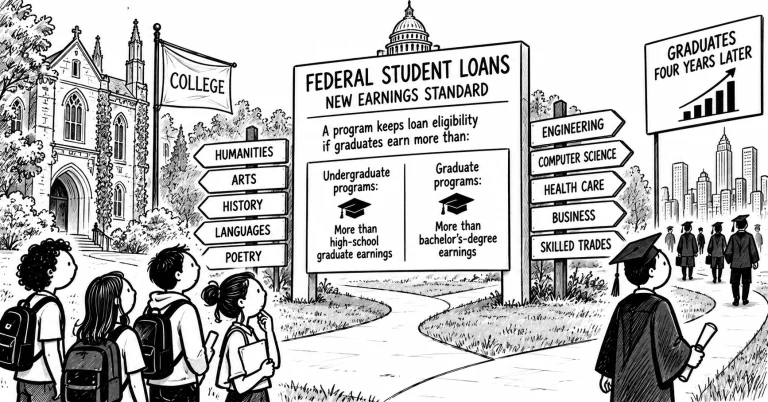
An earnings standard gives Washington more influence over which programs students can finance—and puts colleges under pressure to show an economic payoff.
An extinction warning drew attention at City Hall. The proposals under review would put independent testing, human shutdown controls and legal accountability behind the industry’s safety promises.
Separate breaches at Clover Health Investments and AngMar Management Services affected 138,677 and 126,196 people, respectively, according to October 5 reporting citing federal disclosures. Those counts total 264,873 affected records across the incidents, without establishing that every record represents a different person. The intrusions occurred in July; the current development concerns reporting of their disclosed scope and notifications. Clover previously told securities regulators that social engineering compromised three employee accounts. AngMar’s exposed information included medical and identifying details. The incidents show how access through health-plan employees and healthcare support operations can expose patient information beyond the systems where treatment itself occurs.
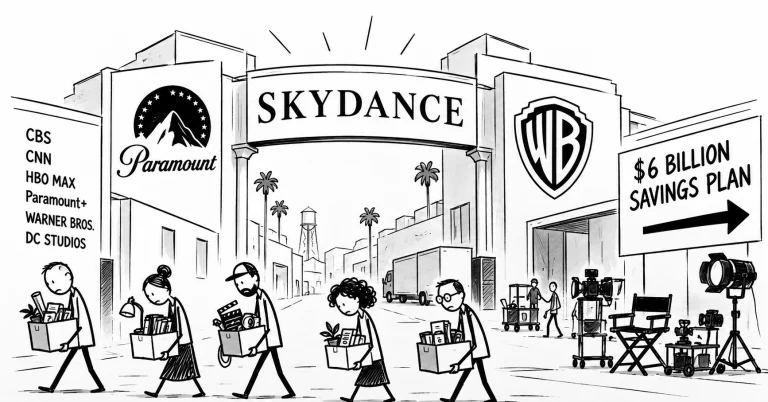
Skydance brings major studios, streaming services and news networks under one owner. The next decisions will determine who keeps a job, who gets a project funded and how much choice survives the consolidation.