China’s AI Layoffs Are Quiet Because the Politics of Job Loss Are Loud.
Beijing wants 70% AI adoption by 2027. It also wants no social instability. Those two goals are already in conflict.
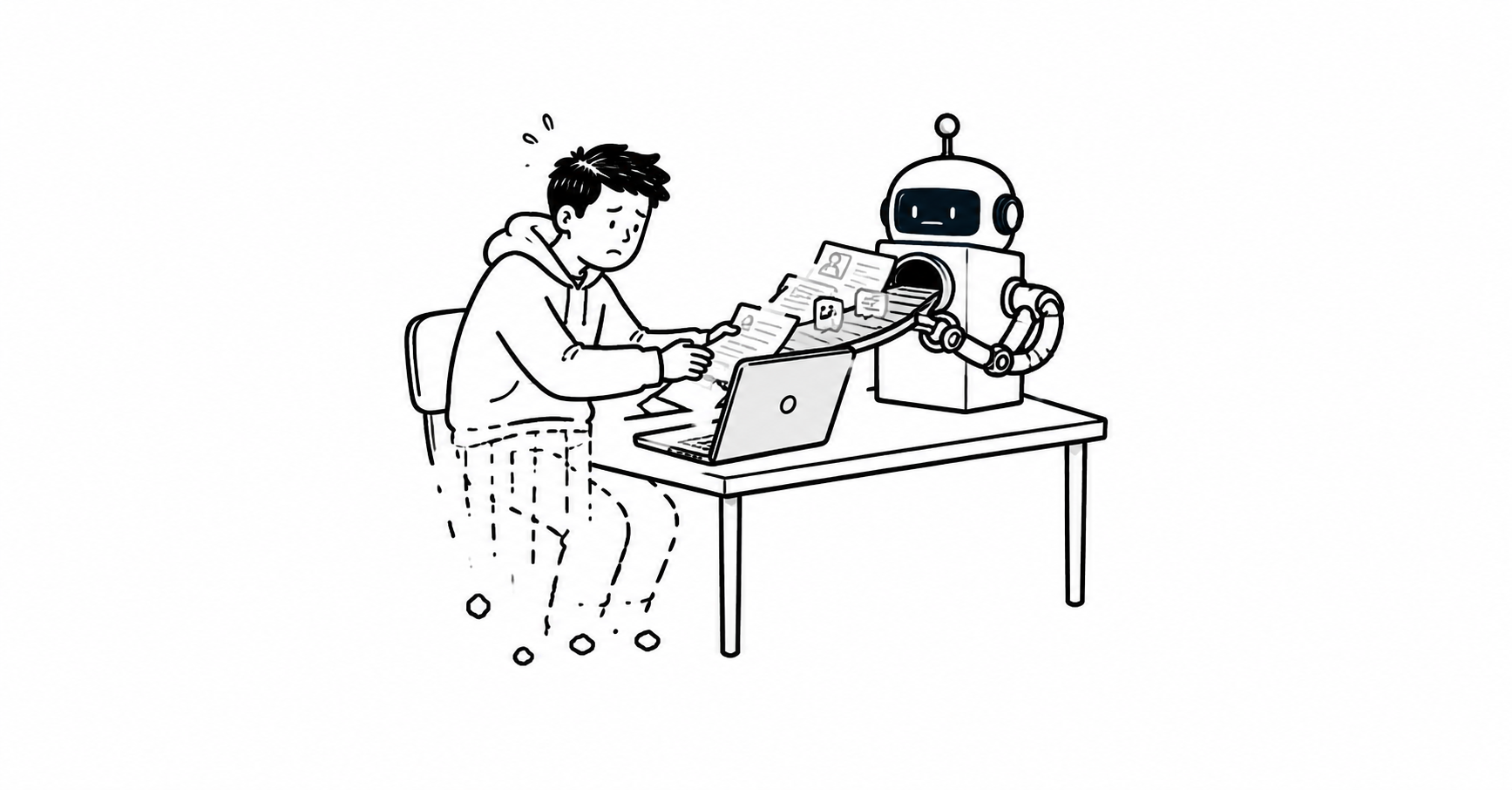
Liu, a 26-year-old contractor at a large Chinese internet firm in Hangzhou, told Reuters that her employer began quietly firing contractors in March after mandating adoption of OpenClaw, an AI agent tool that spread rapidly across Chinese tech companies earlier this year. She does not know the full scope of the layoffs. She knows that after workers transfer their workflows into OpenClaw, they can basically be fired. Reuters reported on June 10, based on interviews with nine workers across tech, entertainment, and advertising, that Chinese companies are implementing small-scale layoffs without public announcement, seeking AI-linked productivity gains while avoiding the government scrutiny that comes with formal workforce reductions.
Under Chinese labor law, job cuts exceeding 10% of a company’s workforce require government approval. Chinese courts have ruled against companies in at least three cases where workers were dismissed to make room for AI. So companies are not cutting at that threshold. They are cutting below it, team by team, contractor by contractor, across enough companies that the aggregate is large even when no individual action is reportable. The pattern has a name inside Chinese corporate management: restructuring or optimization, language that keeps the action off the regulatory radar and out of the public record.
Entertainment is where the displacement is most visible. Ayase, a 22-year-old micro drama producer fired in February, told Reuters that her production department went from 30 to 40 people down to about 10, with only two positions remaining for live-action filming. The micro drama industry — the same format SSC covered recently in the context of Hollywood’s belated entry into short-form mobile content — shifted to AI-generated actors and sets fast enough to hollow out entire crews. A live actor costs thousands of yuan per day for even a minor role with a few lines. An AI-generated equivalent costs a fraction of that and does not require a call sheet.
The political constraint that shapes all of this is explicit. Beijing’s AI Plus initiative targets 70% AI adoption across key sectors by 2027 and 90% by 2030. The same government that set those targets is acutely sensitive to the social instability that visible mass unemployment produces. A senior Chinese corporate manager told Reuters, on condition of anonymity, that private companies will need to make room for some level of inefficiency to avoid mass layoffs that would prompt social instability and carry political ramifications. That sentence describes the operational logic exactly: companies are being asked to absorb the contradiction between a productivity mandate and a stability mandate, one worker at a time, below the threshold that triggers oversight.
What China’s quiet layoff pattern reveals is that the politics of AI displacement are not unique to liberal democracies with free press coverage and organized labor. They exist everywhere that governments simultaneously promote AI adoption and worry about what happens when the adoption works. Beijing’s version of the problem is managed through opacity. The workers absorbing the cost of that management are the ones whose workflows are already inside the machine.