Work From Home Did Not Die. It Became a Class Benefit.
New BLS data show remote work rising despite return-to-office mandates, but the privilege remains sharply divided by education, occupation, and bargaining power.
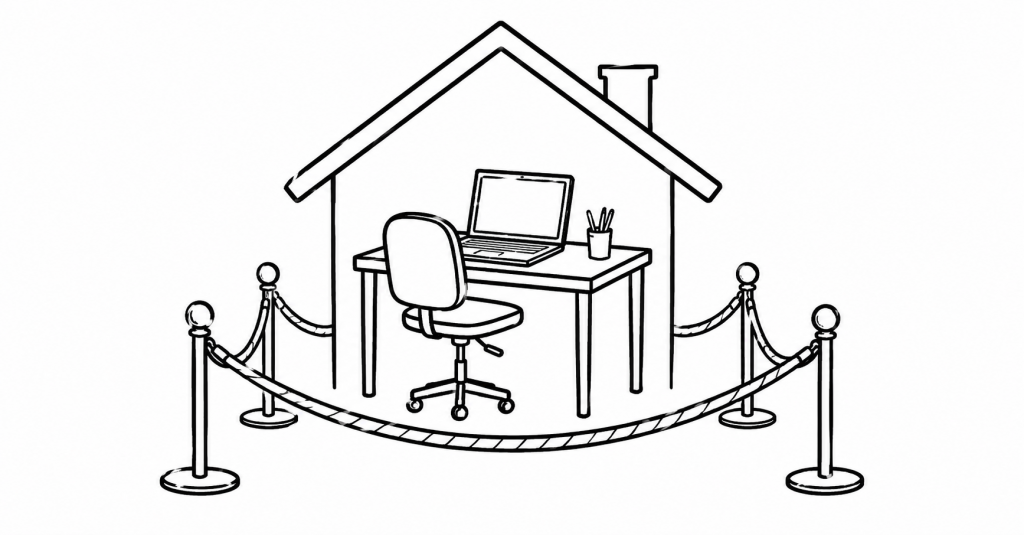
The return-to-office push did not kill work from home.
It may have clarified who gets to keep it.
New data from the Bureau of Labor Statistics show that remote work remains a durable part of American work life even after years of corporate pressure to bring employees back into offices. In 2025, about 35 percent of employed people did some or all of their work at home on days they worked. Among full-time workers, the figure was 34.9 percent. That was up from 33.4 percent in 2024, according to the LinkedIn News summary of the BLS data.
That movement matters because it runs against the dominant corporate narrative of the last several years. Since the emergency phase of the pandemic ended, many large employers have treated office attendance as a proxy for culture, productivity, mentorship, accountability, and managerial control. Return-to-office policies became a way to reassert the pre-pandemic workplace order.
But the labor market is showing something more complicated. Workers did not simply return to 2019. Employers did not fully win the argument. Instead, remote and hybrid work settled into the employment system unevenly, becoming less of a universal pandemic accommodation and more of a selective labor-market advantage.
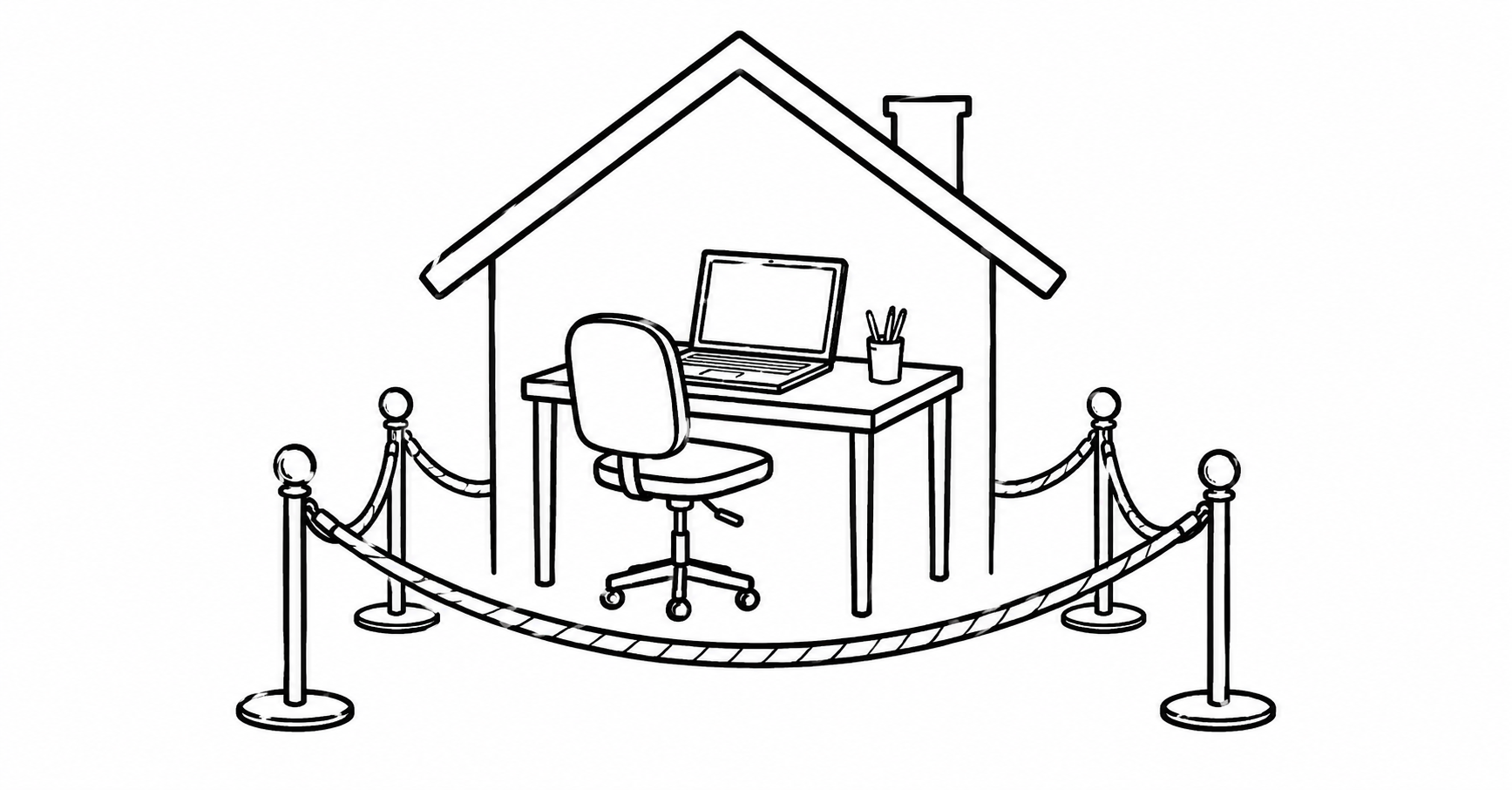
The most important story is not that work from home survived. It is that access to it is deeply unequal.
The BLS data show a sharp education divide. Among workers age 25 and older, 56.7 percent of those with advanced degrees worked from home on days they worked. Among workers with only a high school diploma and no college, the figure was 19 percent. Workers with less than a high school diploma were even less likely to work from home, at just 9.1 percent.
That gap shows how flexibility has become part of the compensation structure for higher-status work. For many white-collar professionals, remote work functions like an invisible raise. It reduces commuting costs, gives workers more control over time, expands where they can live, and allows them to absorb caregiving, errands, appointments, and household responsibilities with less friction.
For workers whose jobs require physical presence, none of those benefits are embedded in the job. A warehouse worker, nurse aide, food-service worker, retail employee, hotel housekeeper, security officer, or production worker cannot move the job into a home office. Their work is location-bound because the economy still depends on bodies being present in physical space.
That means the remote-work debate is often framed too narrowly. It is not only a dispute between employees who want flexibility and executives who want office attendance. It is also a divide between workers whose labor can be digitized and workers whose labor remains physically anchored.
The gender split adds another layer. BLS data show women were more likely than men to work from home in 2025. On one level, that can reflect access to flexible professional roles. On another, it reflects the way caregiving still shapes women’s work lives. Remote work can make employment more manageable for working parents and caregivers, but it can also allow companies and households to quietly shift more unpaid domestic labor onto women without changing the underlying structure.
That is the tension. Flexibility can be liberating. It can also be absorbed by unequal systems.
The persistence of work from home also exposes a weakness in return-to-office mandates. Many policies were written as if workplace behavior could be reset by executive order. But workers had already reorganized their lives around new patterns: where they live, how they manage childcare, when they concentrate, how they commute, and what tradeoffs they are willing to accept. Employers can mandate attendance, but they cannot easily erase the memory of a different work arrangement.
That is why hybrid work has proved especially durable. It gives employers some office presence while preserving enough flexibility to remain valuable to workers. It also gives managers room to enforce attendance selectively, which may explain why remote work can rise even during an era of aggressive RTO messaging. The formal policy may say one thing. The daily practice may say another.
The result is not a clean victory for remote work. It is a stratified compromise.
Workers with advanced degrees, professional autonomy, and computer-based roles are more likely to keep flexibility. Workers in lower-wage, lower-credentialed, and location-dependent jobs are less likely to receive it. Executives may still talk about the office as the center of work culture, but the data suggest the workplace has already been redesigned around hierarchy.
The future of work-from-home will not be decided only by whether companies like it. It will be decided by which workers have enough leverage to keep it.
That makes remote work less of a lifestyle story and more of a power story.
The office did not disappear. The workplace became more unequal.