
Renters Are Fighting the Fee Layer of the Housing Crisis
Tracie McMillan reported for The Guardian on June 25 that renters across the United States are asking the Federal Trade Commission to regulate mandatory apartment fees that appear on top of advertised rent. In the FTC docket reviewed by The Guardian, nearly 400 of 471 public comments explicitly supported regulation or described problems with junk fees, while more than 60 opposed or raised concerns, mostly from trade groups and industry representatives.
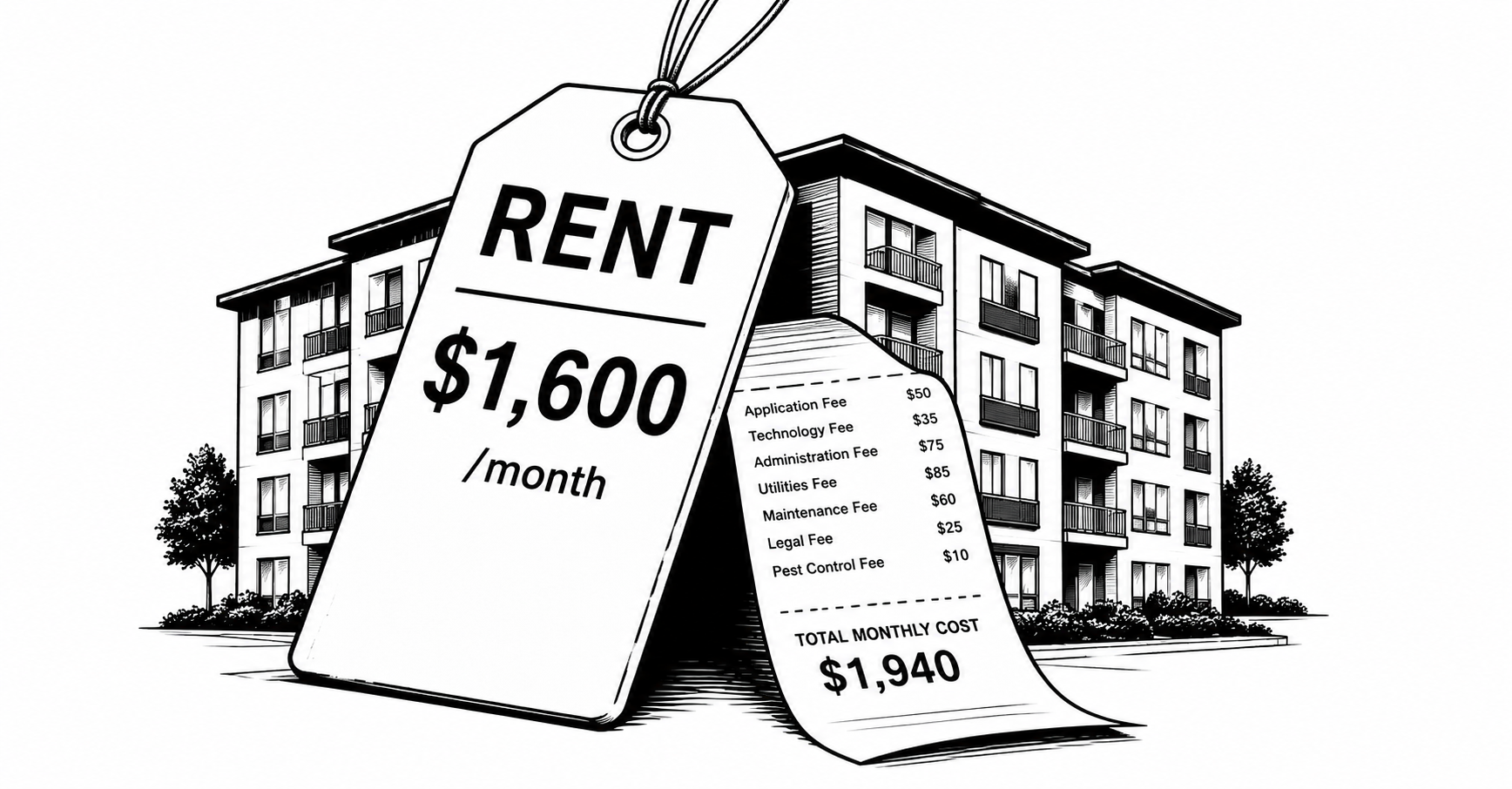
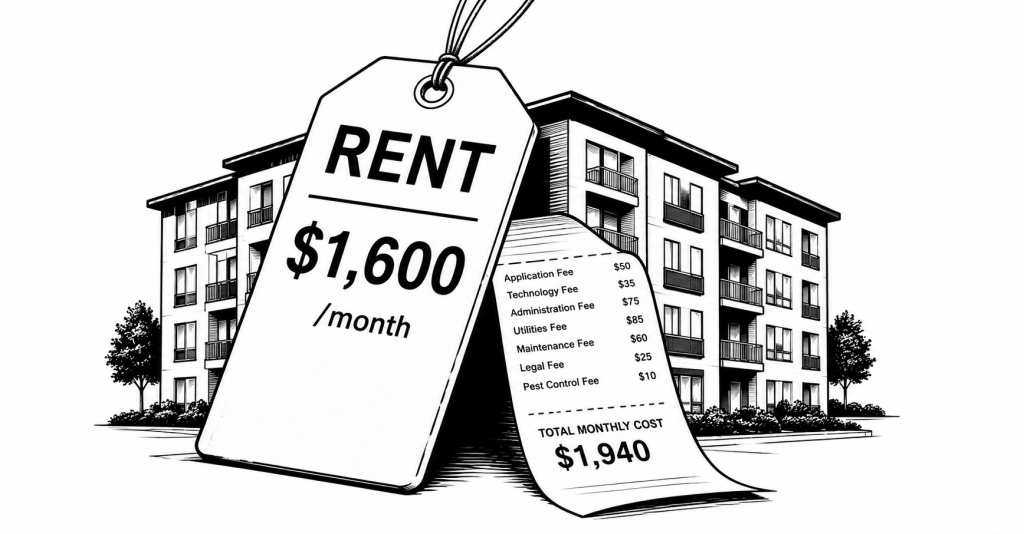
Large property managers have built a pricing model that separates base rent from required charges — applications, technology, administration, utilities, maintenance, legal costs — that renters often cannot decline. A landlord advertises one price, captures attention from renters searching within a budget, then discloses the real cost after the renter has invested time, money, and urgency into the process. Moving is expensive, supply is tight, and the choices available are fewer than the market language suggests.
The industry argument is that fees support services and keep communities financially stable, and some firms argue that clear disclosure is enough. But disclosure after the fact does not solve the power problem if the renter cannot negotiate the charge, refuse the service, or easily walk away.
The FTC process matters because it treats pricing as a housing-access issue, not a consumer annoyance. The agency has already secured settlements involving Invitation Homes and Greystar, and the Greystar settlement requires a total monthly leasing price that includes base rent and all fixed mandatory fees. The next fight is whether that principle becomes a baseline rule across rental housing or stays a case-by-case enforcement tool.
Federal action would expose how uneven the current system already is. McMillan reported that only a handful of states — including Colorado, Massachusetts, Minnesota, and Nevada — require landlords to advertise a total monthly leasing price, while another 17 states regulate certain charges such as application or late fees. Most renters depend on lease language, local enforcement, and their own ability to absorb surprise costs.
The fee model benefits from scale. Large property managers have the legal, software, and billing systems to convert small recurring charges into dependable revenue streams. Tenants experience the same structure as confusion: the monthly bill becomes harder to predict, comparison shopping becomes less reliable, and affordability becomes a moving target set by the landlord.
Power moved from tenants to large property managers the moment base rent became a partial price. If regulators force total-cost disclosure, landlords lose one of the easiest tools for making housing look cheaper than it is. If they do not, the advertised rent keeps functioning as a doorway into a more expensive contract — one the renter cannot fully price until they are already inside it.