Nigeria and Ghana Just Launched a Cross-Border Wallet Payment Corridor
It is the first step toward settling West African trade in local currencies rather than routing through the U.S. dollar — and whether it scales depends on coordination that neither country can produce alone.
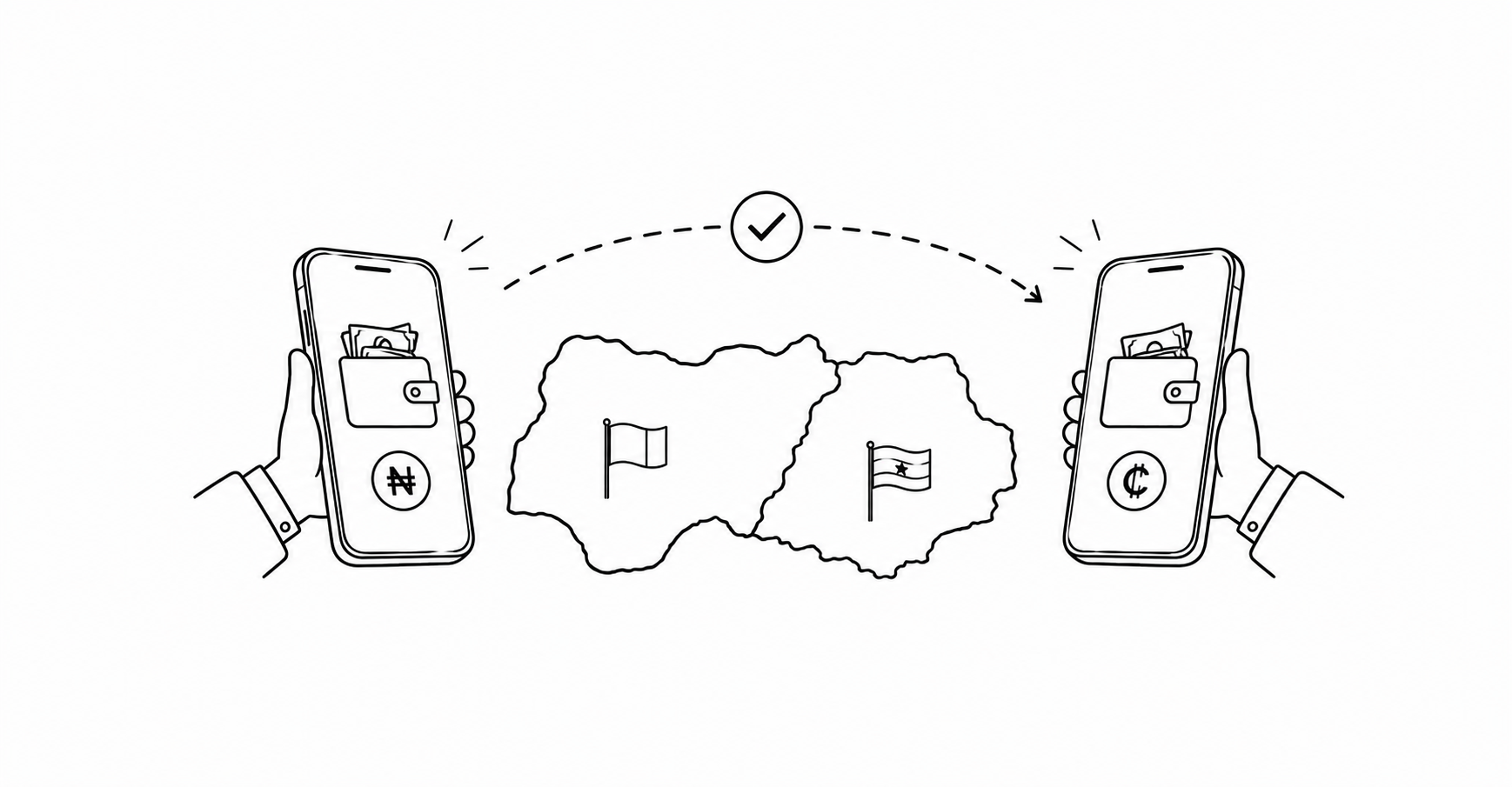
In early 2026, Onafriq and the Pan-African Payment and Settlement System launched the first wallet-based outbound cross-border payments corridor between Nigeria and Ghana, enabling direct transfers between the two countries in local currencies without routing through the U.S. dollar. It is a modest infrastructure announcement with large structural implications, reported by The Fintech Times and analyzed by the Bloomsbury Intelligence and Security Institute in its 2026 assessment of West Africa’s mobile money trajectory.
The dollar dependence the corridor is designed to reduce is not a technical inefficiency — it is a structural feature of the global financial architecture that concentrates cost and risk at the edges of the system. A Nigerian merchant paying a Ghanaian supplier currently routes that payment through a correspondent banking relationship, typically in New York or London, paying conversion costs in both directions and absorbing the exchange rate risk of two conversions. The PAPSS corridor reduces that to one transaction, in local currencies, with settlement handled regionally. The cost savings are real. The dependency reduction is structural.
Ghana’s mobile money infrastructure provides the demand base. The country’s mobile money market reached over 26.7 million active accounts in 2025, processing more than $300 billion in annual transactions, according to Bank of Ghana data. That is not a pilot program. That is a financial infrastructure that the majority of Ghanaian adults use for daily transactions. Nigeria’s fintech ecosystem — led by platforms including Flutterwave and Paystack — has processed billions in cross-border transactions but historically required dollar intermediation for international settlement.
The corridor connects two of West Africa’s largest economies at a moment when both are navigating currency volatility, foreign exchange shortages, and the cost burdens of dollar-denominated trade. Nigeria’s naira has faced significant depreciation pressure. Ghana completed a debt restructuring program in 2024 and 2025 that left the cedi vulnerable to external financing conditions. Both countries have practical reasons to want a payment settlement architecture that does not require converting to dollars and back for regional commerce.
Whether the corridor scales past the initial launch depends on factors that neither country controls unilaterally. Regulatory coordination between the Bank of Ghana and the Central Bank of Nigeria will determine what transaction types are eligible, what reporting requirements apply, and what consumer protections govern disputes. Central bank cooperation is the mechanism the corridor requires — it is also the mechanism that has historically moved slowly in intra-African financial integration, despite decades of policy ambition at the level of the African Union and ECOWAS.
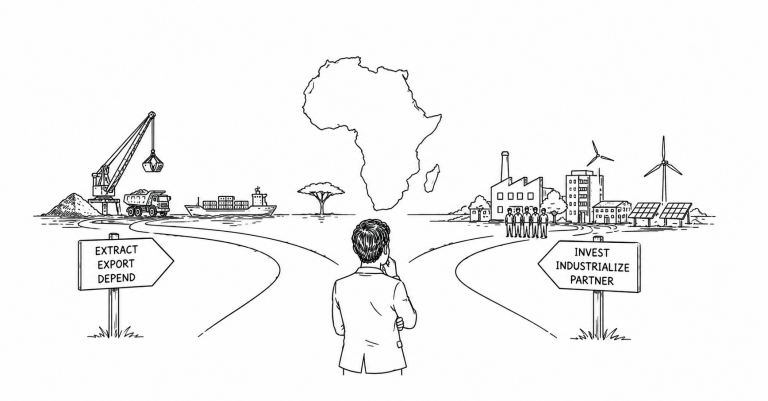
The Africa mobile payments market is projected to grow from approximately $105 billion in 2026 to $1.486 trillion by 2034, according to Market Data Forecast. The infrastructure being built now will determine who captures that growth and under what settlement architecture it flows. The PAPSS corridor is one bet on a future in which West African trade settles in West African currencies. Making that bet pay requires coordination between governments, central banks, and fintech platforms that are not currently aligned at the required speed. The first corridor is live. The architecture around it is still being negotiated.