Africa’s World Cup Breakthrough Shows What Access Expansion Changes
The expanded tournament is redistributing visibility toward teams long treated as global football’s periphery.
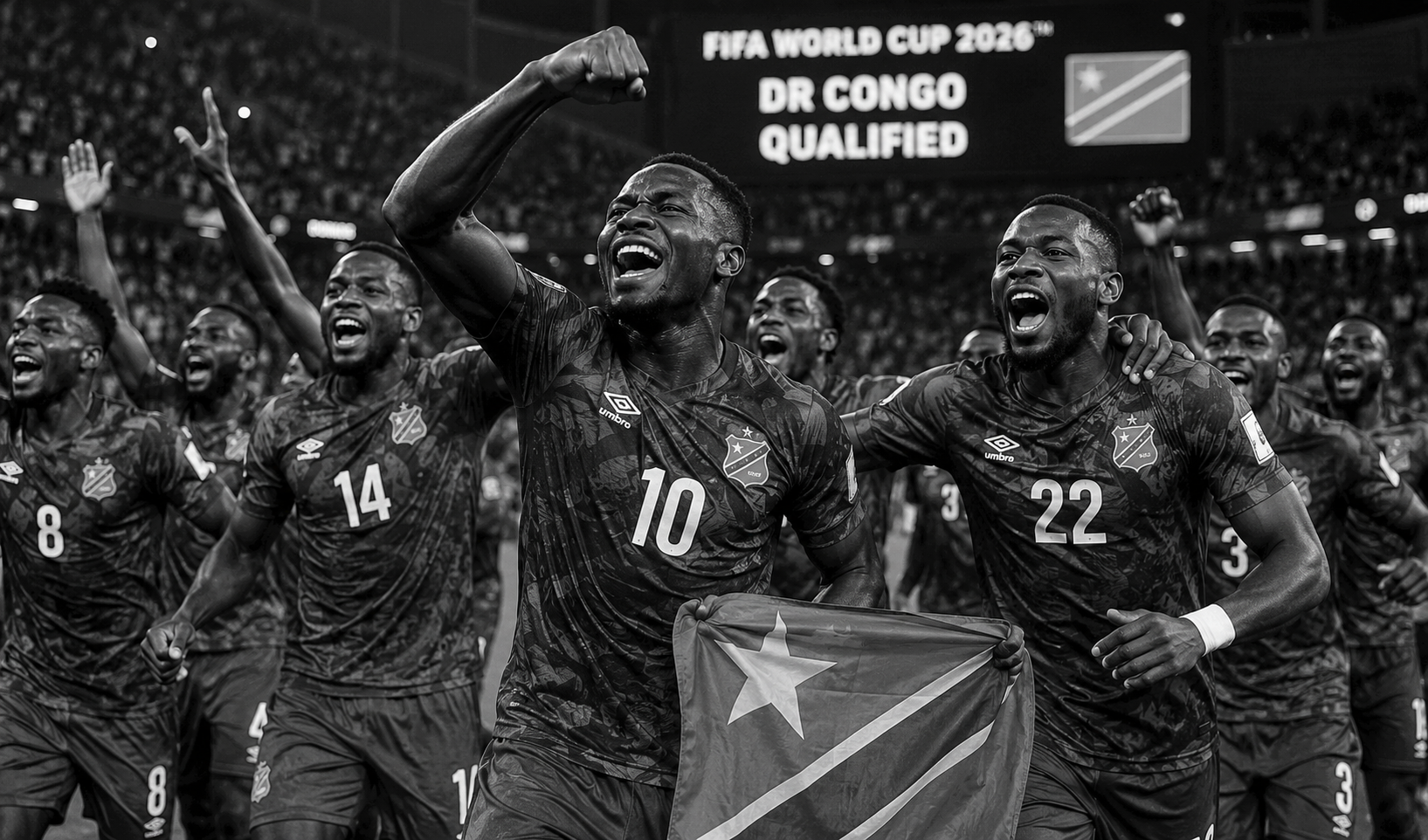
Mark Gleeson reported for Reuters that DR Congo reached the World Cup knockouts after coming from behind to beat Uzbekistan 3-1 in Atlanta, the country’s first World Cup win after returning to the tournament 52 years after its 1974 debut. Reuters also reported that Algeria advanced after a 3-3 draw with Austria, while the Times of India reported that nine of Africa’s 10 teams reached the Round of 32, the continent’s best-ever showing.
Tournament design decides who gets seen. The 2026 World Cup expanded to 48 teams and introduced a Round of 32, giving more countries a path into the tournament and more third-place teams a route out of the group stage. That format can be criticized for complexity, but it also changes the distribution of opportunity. More slots mean more teams from outside the traditional powers get competitive exposure instead of being filtered out before the event begins.
Africa’s performance shows why access matters. The previous African record for teams advancing from the group stage was two, set in 2014 when Algeria and Nigeria progressed. This tournament produced a different map: Morocco, South Africa, Senegal, Ivory Coast, Ghana, Egypt, Algeria, DR Congo, and Cabo Verde all reached the knockout stage, according to the Times of India. Representation did not stay symbolic. It became competitive presence, with nine national teams carrying the continent into the first knockout round of the expanded format.
DR Congo’s win made the structure visible at the human scale. Gleeson reported that Yoane Wissa scored twice, with Fiston Mayele adding the go-ahead goal after Uzbekistan led for almost an hour. The result sent DR Congo into a last-32 match against England in Atlanta. For a national team absent from the World Cup for more than half a century, access became a platform for investment, identity, and global recognition.
The economic layer matters as much as the sporting one. World Cup visibility affects federation credibility, sponsorship attention, player valuation, media coverage, youth development, and diaspora engagement. When teams from undercovered football markets advance, the benefits do not stop at the final whistle. They reshape which countries are treated as serious football economies and which players are seen as exportable talent.
The cultural layer matters too. A knockout-stage run gives diasporas a shared public stage, gives domestic fans a visible return on long-term support, and gives younger players proof that national-team football can travel beyond heroic losses. The old story treated African teams as dangerous but inconsistent outsiders. This tournament is forcing broadcasters, sponsors, and federations to describe them as bracket actors with leverage.
That leverage will matter after the tournament ends. Players who perform on a bigger stage can move differently through club markets, agents can negotiate with stronger evidence, and federations can argue for more resources with results rather than aspiration. The bracket becomes a marketplace, and advancement gives smaller football systems a stronger claim on attention.
Power moves from a tournament structure that concentrated visibility among established powers to a wider bracket that gives more federations a chance to convert participation into leverage. That does not erase inequality in training facilities, coaching pipelines, travel, federation governance, or club access. It does prove that narrowing access had helped preserve the old hierarchy.
The next fight will be over whether expanded visibility becomes sustained investment. If federations, sponsors, broadcasters, and clubs treat this African surge as a one-cycle novelty, the structure will produce a moment without changing the pipeline. If they treat it as evidence that opportunity was artificially constrained, the 2026 tournament will be remembered less as a bigger World Cup than as the year the competitive map widened.