
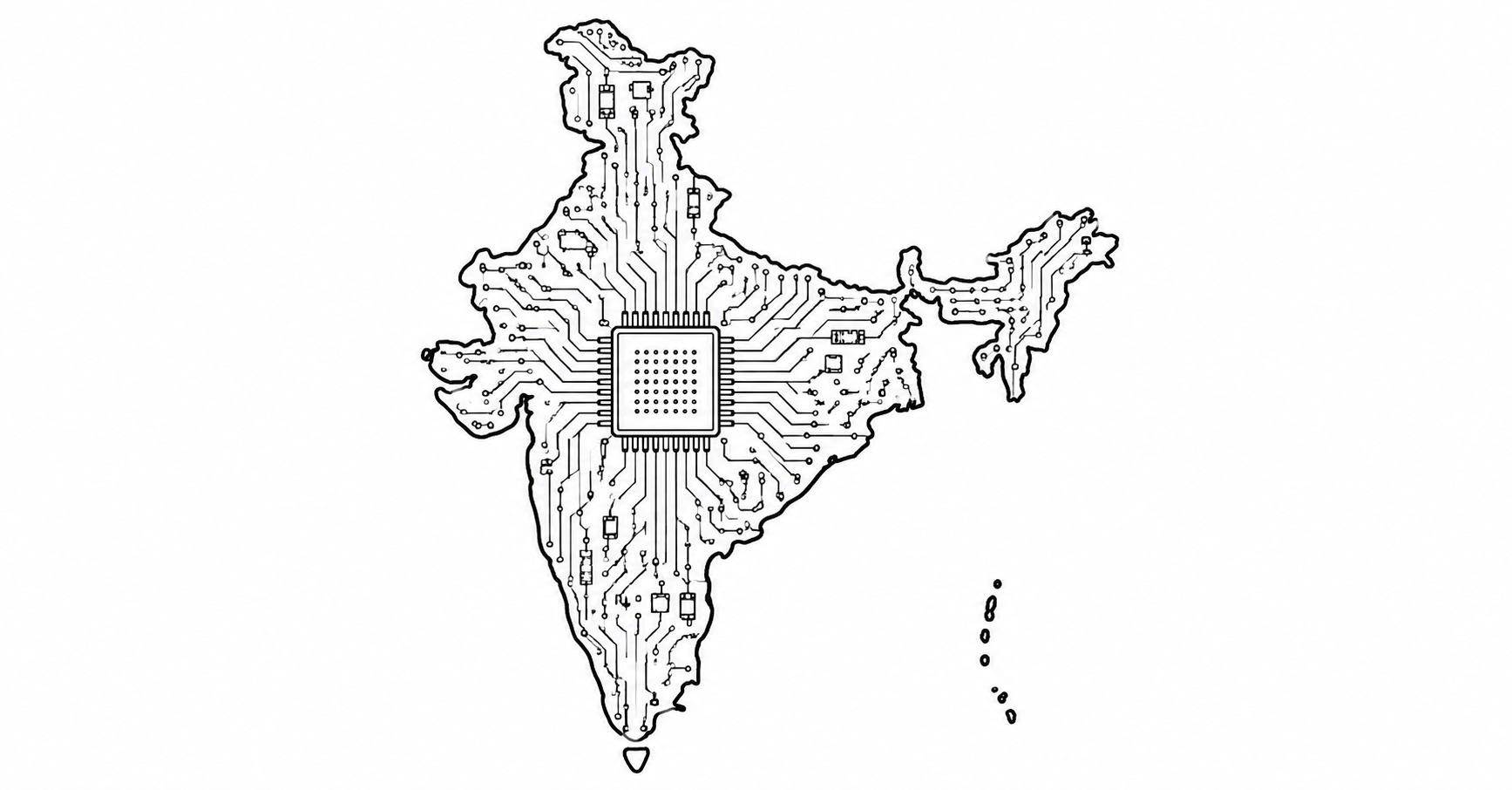
India Is Treating AI as a Sovereignty Project
Countries are increasingly viewing artificial intelligence as national infrastructure rather than simply a technology sector.
Speaking at the VivaTech conference in Paris, **Prime Minister Narendra Modi** used one of the world’s largest technology gatherings to present India as an emerging artificial intelligence power. Reporting from the **Times of India** on June 18 described a message built around digital infrastructure, startup investment, and talent development. The pitch was aimed at attracting capital and partnerships, but it also reflected a larger shift taking shape across governments. Artificial intelligence is moving from a business story to a sovereignty story.
National competitiveness increasingly depends on who owns computing infrastructure, who trains the workforce, and who controls the systems that others rely on. Countries spent decades competing over oil reserves, manufacturing capacity, and supply chains. AI introduces another layer. Nations now compete over data, semiconductors, cloud infrastructure, and technical talent. Governments that fail to build domestic capabilities risk becoming customers inside systems controlled elsewhere.
India enters that race with advantages that extend beyond the current AI boom. Programs such as **Digital India**, the expansion of digital payments, and the country’s startup ecosystem created infrastructure long before generative AI captured public attention. The country’s digital identity system and payments network have produced an environment where hundreds of millions of people already interact with national digital platforms. Those systems lower the barriers to introducing new AI products and services.
The incentive driving governments is straightforward. Dependence creates vulnerability. Europe has spent much of the past several years debating energy dependence and semiconductor shortages. AI dependence raises similar concerns. Countries that rely on foreign models, cloud providers, and computing infrastructure may discover that technological capability becomes subject to decisions made outside their borders. Access can become leverage.
That concern explains why governments that are otherwise competitors increasingly sound alike when discussing artificial intelligence. Saudi Arabia is investing heavily in technology infrastructure. The United Arab Emirates has positioned itself as a center for AI development. Japan, South Korea, and members of the European Union have all elevated AI to the level of industrial policy. India is pursuing the same objective through a different mechanism: scale. A population of more than 1.4 billion people, an expanding technology workforce, and a mature digital payments system create advantages that few countries can replicate.
Power inside the AI economy is shifting toward nations that control the underlying infrastructure rather than merely consume it. Companies benefit from access to large markets and government support. Citizens gain access to services designed around local languages and priorities. Countries that lack those capabilities risk losing bargaining power as AI becomes embedded in finance, education, health care, and public administration. Dependence does not disappear. It simply moves from energy pipelines and shipping routes to cloud platforms and computing resources.
The competition over artificial intelligence is likely to become less about producing the smartest chatbot and more about determining who owns the systems through which intelligence flows. Countries that treat AI as a national capability today may find themselves writing the rules tomorrow, while countries that delay could discover they have become renters inside infrastructure built somewhere else.