Japan Now Requires Mid-Size Companies to Disclose Their Gender Pay Gap. The Gap Is Still the Largest in the G7.
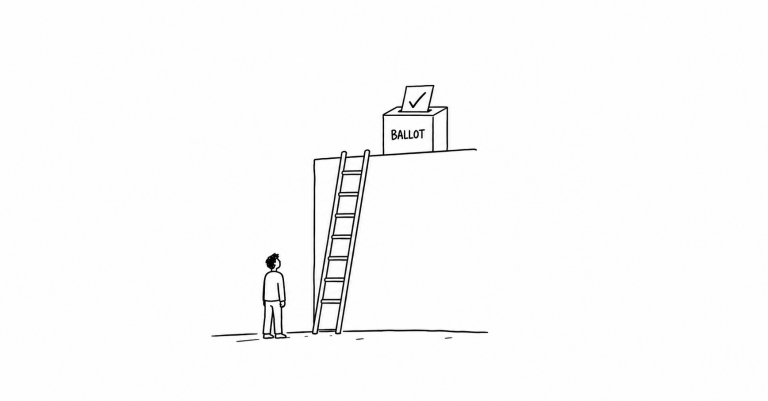
Transparency mandates name the problem. The mechanism that produces the gap — and who controls it — is a different question the disclosure requirement doesn’t answer.
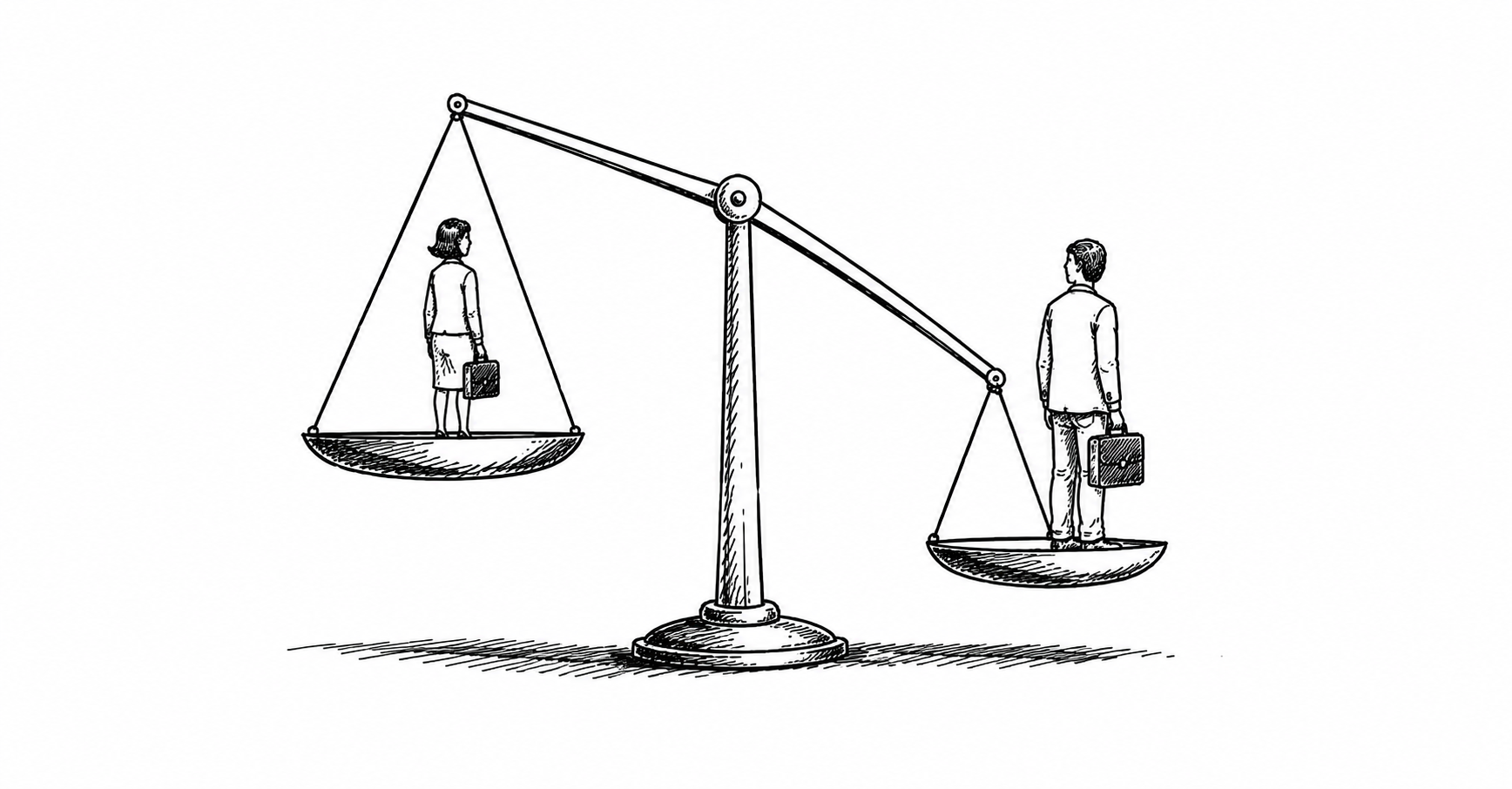
Effective April 2026, Japanese companies with 101 to 300 employees must publicly disclose their gender pay gap and managerial representation data — an extension of a requirement previously limited to firms with more than 300 workers, according to reporting by Orrick’s Employment Law practice. Japan’s gender wage gap is the largest in the G7: women earn 78.7 cents for every dollar a man earns in comparable roles, a disparity that has persisted through decades of announced policy commitments and gradual legislative expansion.
The mechanism the new disclosure requirement addresses is information asymmetry: companies were not required to report what they paid, which made it structurally difficult for workers, investors, and regulators to measure the gap or hold employers accountable for it. The April expansion changes that for the mid-size company tier. 101 to 300 employees covers a significant share of Japan’s private sector workforce — particularly in manufacturing, retail, and services, where the concentration of women in lower-wage roles is highest.
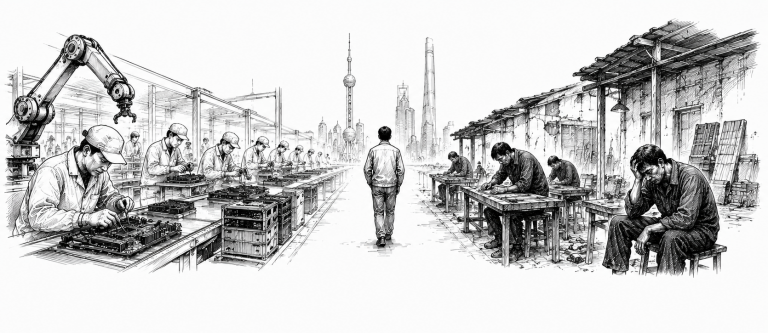
What the disclosure requirement does not change is the compensation architecture that produces the gap. The single most significant driver of Japan’s gender pay disparity is not overt pay discrimination within identical roles — it is occupational segregation combined with the seishain system, in which full-time regular employment carries benefits, seniority pay, and promotion pathways that are disproportionately occupied by men. Women, particularly after marriage or childbirth, are concentrated in keiyaku-shain (contract) and part-time classifications that carry lower base pay, fewer benefits, and no meaningful advancement structure. Reporting the gap makes the number visible. It does not restructure the employment classification system producing it.
Two of Japan’s largest employers — Nippon Life and MUFG Bank — have announced plans to eliminate the clerical worker (ippanshoku) job category entirely. That category, historically filled predominantly by women at substantially lower compensation than management-track roles, has been the structural instrument through which salary bifurcation operated. Eliminating it is the closest thing in recent Japanese corporate policy to addressing the mechanism rather than the measurement. Whether other large employers follow is not yet established by the data.
The disclosure expansion matters because it sets the conditions for accountability that did not previously exist. If Japanese regulators, investors, or labor advocates choose to act on what the new reporting reveals, the mandate creates a legal and reputational basis for pressure. That sequence — disclosure, scrutiny, accountability — is how transparency mandates convert into structural change in other regulatory contexts. The question is whether Japan’s political economy, in which labor mobility is low, union coverage is narrow, and political pressure on corporate compensation is historically weak, can generate the follow-on pressure the disclosure creates the conditions for.
78.7 cents is not a new number in Japan. It has been the approximate figure for years. What April’s expansion changed is how many employers are now required to confirm it publicly. The gap will appear in the data. Whether the data changes the gap depends on who uses it, and for what purpose. Transparency creates accountability only when there is an institution with both the authority and the will to enforce it. The disclosure mandate created the first condition. The second is not yet present.