Uber Is Purging Tens of Thousands of Drivers. The Question Is What Took So Long.
The company’s new background check standards are the strongest in its history. They’re also arriving under legal pressure — and years after the harm was documented.
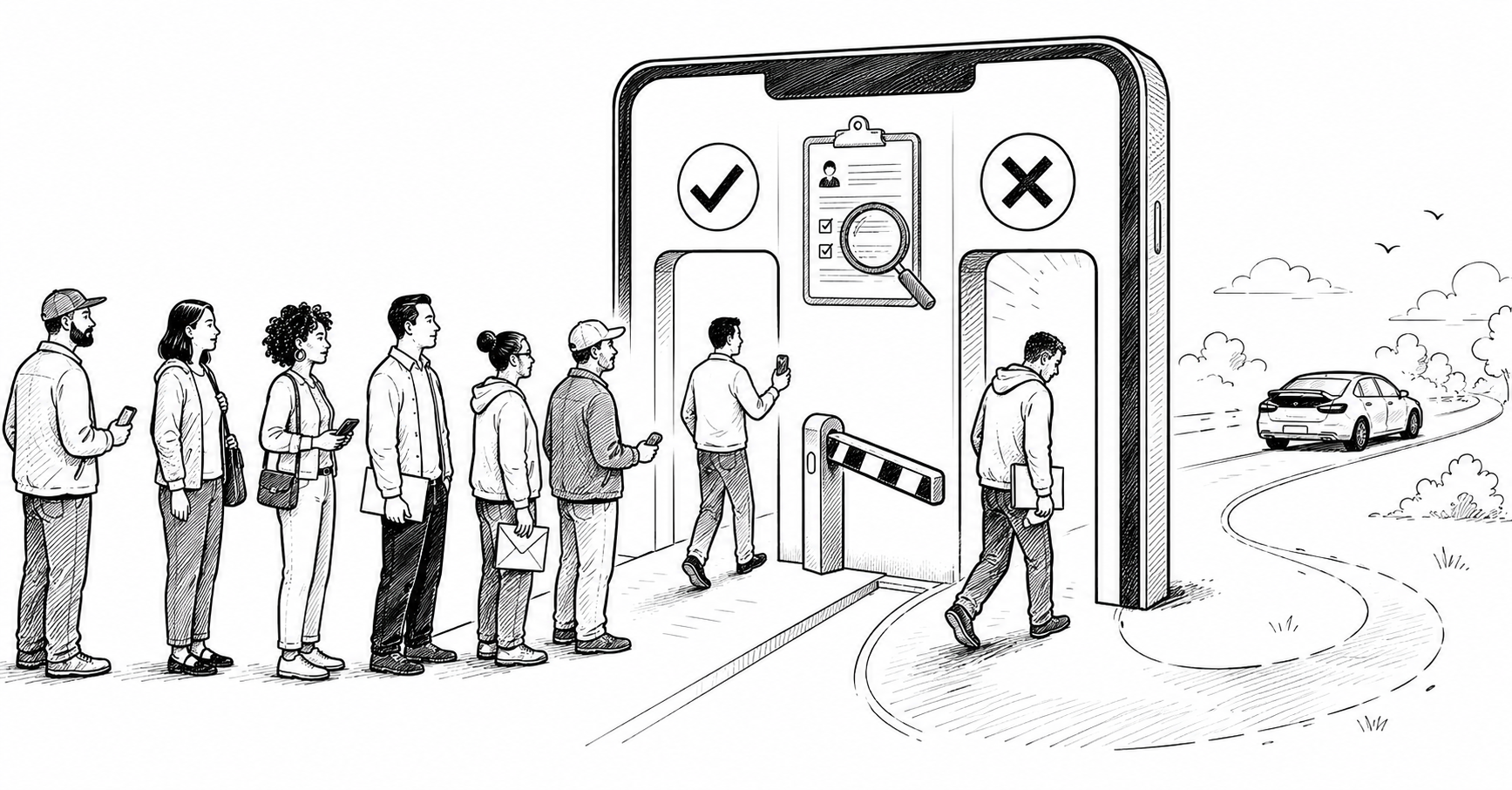
Uber announced Friday that it is expanding the list of criminal convictions that will permanently disqualify drivers from its platform — and applying those standards retroactively to its existing workforce. Starting Monday, the policy takes effect across the U.S., and the company says it will result in the removal of tens of thousands of gig workers, or roughly 0.5 percent of its active domestic force.
The expanded standards add new categories of disqualifying offenses to a list that previously covered the most serious crimes. Under the updated rules, violent felonies including armed robbery, aggravated assault, arson, child abuse and endangerment, strangulation, and stalking will disqualify drivers regardless of when the conviction occurred — eliminating the seven-year lookback window that previously applied to non-sexual offenses.
The policy shift does not arrive in a vacuum. Uber is facing thousands of lawsuits from mostly female passengers who say their drivers sexually assaulted or harassed them. In February, a jury found the company liable for failing to prevent a passenger’s sexual assault and awarded $8.5 million in damages in a bellwether case. A New York Times investigation published late last year found that Uber’s existing policies did not strictly bar drivers with felony convictions — a finding that accelerated public and legal scrutiny of the company’s screening infrastructure.
The new national requirements also coincide with changes Uber agreed to make in California, where the company struck a deal to end a costly ballot-measure battle over rideshare liability in sexual assault cases. Colorado followed separately, enacting a law on June 2 that mandates background checks for drivers every six months and requires rideshare companies to implement safeguards against account sharing and fraudulent driver profiles.
The structural problem the policy is designed to address is not new. Plaintiffs across the consolidated litigation argue that Uber’s driver onboarding process was built for speed — designed to approve drivers quickly rather than vet them thoroughly — and that the company’s push for rapid expansion came at the expense of passenger safety. Internal awareness of misconduct issues, plaintiffs contend, dates to at least 2014. The gap between that awareness and this week’s policy announcement is where the accountability argument lives.
What changed is not Uber’s knowledge of the problem. What changed is the cost of inaction. The litigation volume, the bellwether verdict, the shareholder lawsuit alleging that leadership set a tone of non-compliance — these are the mechanisms that produced Monday’s policy, not a recalibration of the company’s safety priorities. Uber is now describing its updated background check as the strongest in the industry. That may be true. It is also a company describing a floor it should have built years ago as a ceiling worth advertising.
The tens of thousands of drivers losing access to the platform this week will absorb the immediate economic cost. The passengers harmed before the policy changed already absorbed theirs.