
Food Aid Is Becoming a Paperwork Test

Leah Douglas and Erica Stapleton reported for Reuters on June 24 that more than 4.7 million people nationwide have lost their Supplemental Nutrition Assistance Program benefits since Donald Trump’s signature tax and spending law took effect. Arizona has recorded the steepest decline in SNAP enrollment in the country — more than 457,000 residents lost benefits, including nearly 196,000 children, according to state Department of Economic Security data through the end of May.
The mechanism is administrative, which is exactly what makes it harder to see and harder to fight. When Angelica Garcia, a single mother of three in Tucson, tried to renew her food stamps this spring, she filled out the application, called Arizona’s DES repeatedly until the line dropped, and visited a thinly staffed office where she waited hours for a caseworker. By the time she was reapproved in June, she had missed two months of benefits. Her family survived on food-pantry donations and cheap staples.
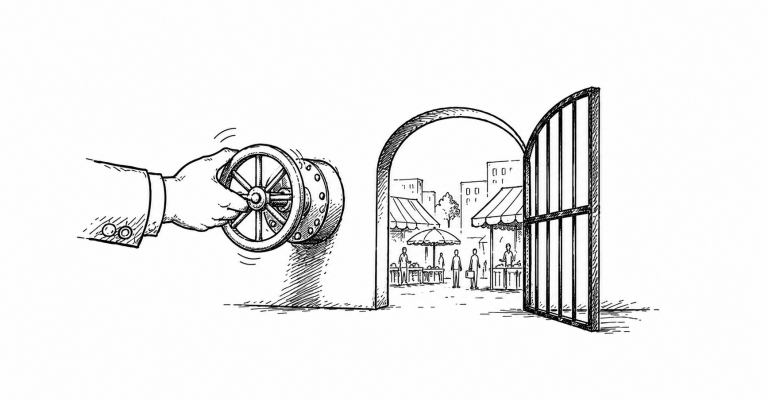
The cuts do not work by eliminating the program. They work through the administrative system built around it. The new law reduces SNAP funding by $187 billion, or about 17%, over ten years, in part by expanding work requirements, barring some immigrants from receiving benefits, and imposing financial penalties on states that fail to meet certain performance standards. Katie Bergh, a senior policy analyst at the Center on Budget and Policy Priorities, told Reuters that longer wait times are partly the result of stricter vetting processes Arizona introduced to avoid those penalties. Applicants cannot get through on overloaded phone lines, are asked for more and more paperwork they cannot provide, or submit documentation the state does not have capacity to process.
Arizona moved to implement the federal changes more quickly than most other states. Its SNAP error rate in 2024 was 8.84% — below the national average of 10.9%, but above the 6% threshold that now requires states to cover up to 15% of SNAP costs if exceeded. The state’s Democratic governor acknowledged the bind directly: comply with the new standards or face hundreds of millions in fines that would cause even more Arizonans to lose assistance.
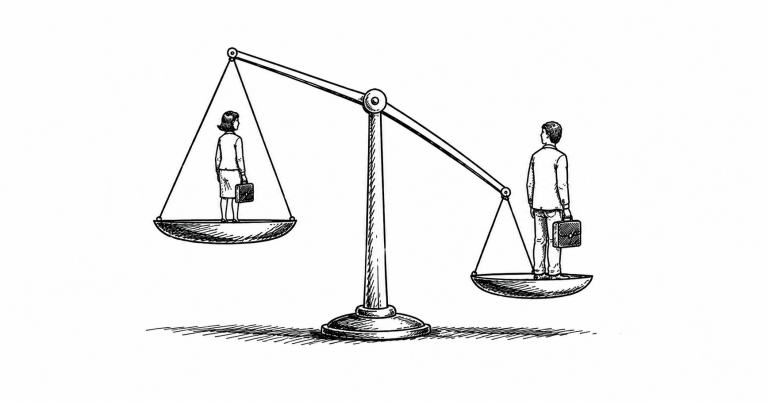
The policy design is the argument. When the stated goal is reducing enrollment, administrative friction becomes a tool. Documentation requirements, phone capacity limits, processing delays, and caseworker shortages function as filters. The households most likely to fail those filters are already operating under the most stress: unstable housing, inconsistent income, limited English, unreliable internet access, and no time to absorb a bureaucratic process designed for people with more of each.
Power moved from a federal entitlement structure to state administrative systems and the households forced to absorb the gaps those systems produce. The program still exists on paper. Access to it is being redistributed through process — and the states that implement that process fastest produce the steepest enrollment declines, whether or not the people losing benefits have stopped qualifying for them.