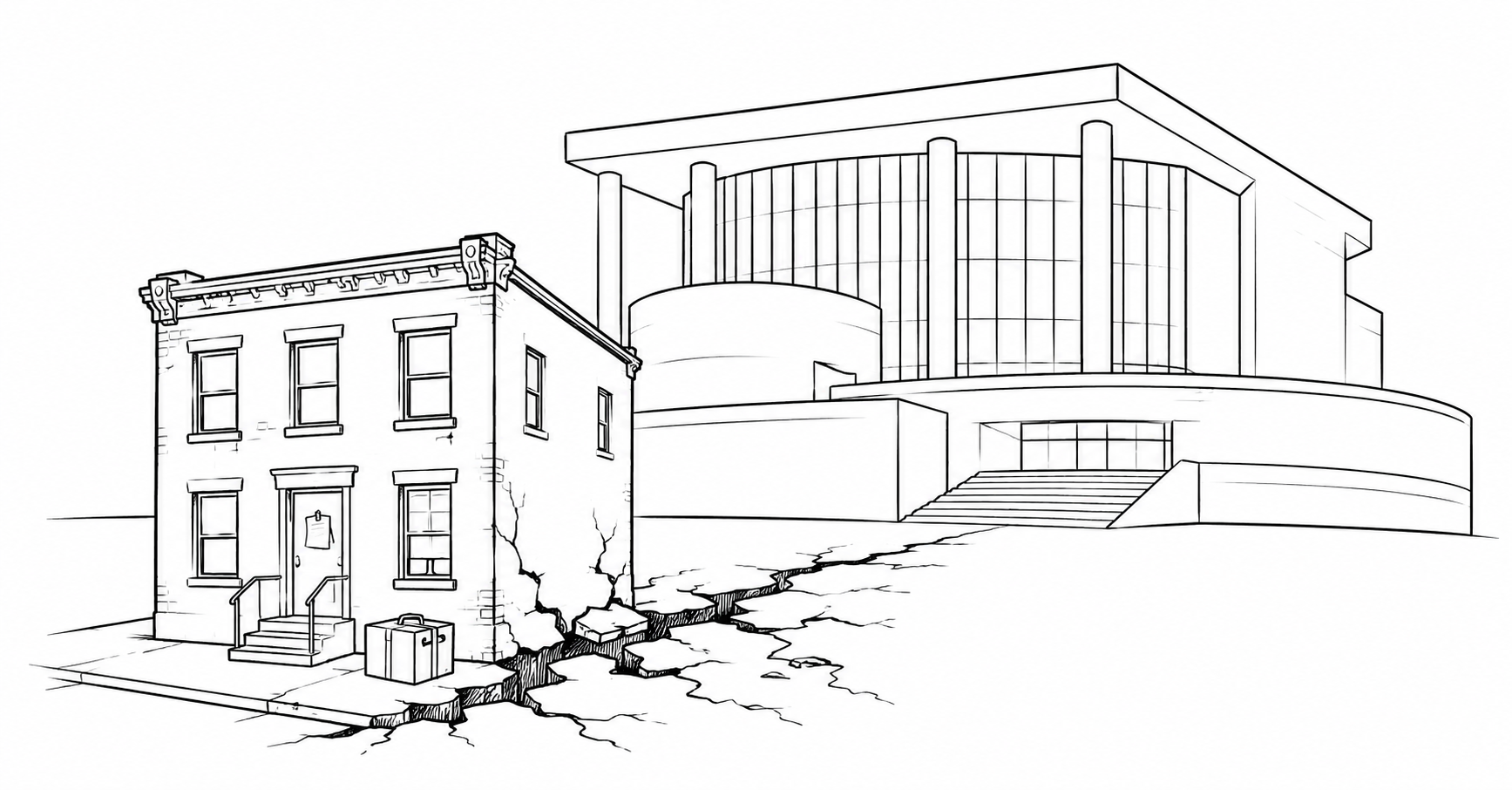
How Woodlawn Lost Its Housing While Waiting for the Obama Center
The city built an anti-displacement ordinance specifically for this moment. A review of hundreds of pages of records found it mostly didn’t work.
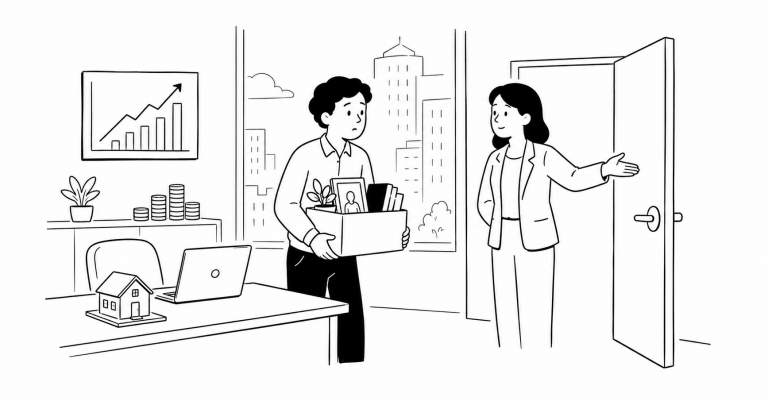
Latisha Bolden came home from an eight-hour hospital shift in early March to a notice her son had received from their landlord: her family had until the end of July to leave their Woodlawn apartment. The building had been sold to a new owner planning renovations. When she looked for comparable units nearby, a one-bedroom that would have once been affordable now ran roughly $1,800 a month. The Obama Presidential Center, scheduled to open June 19 a short walk from her building, was supposed to come with a safety net for residents in exactly her position. An investigation by the Illinois Answers Project, based on a review of hundreds of pages of city records and dozens of interviews with residents, organizers, and experts, found that safety net mostly never materialized.
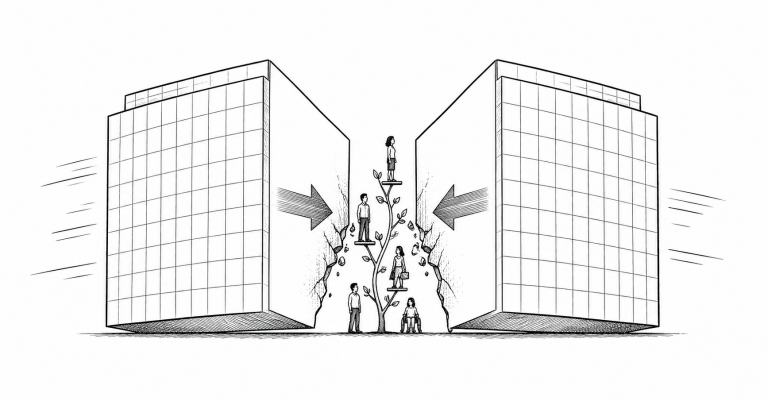
Chicago adopted the Woodlawn Housing Preservation Ordinance in 2020, five years after the Obama Foundation announced the center would be built on the South Side, specifically to protect long-term tenants from surprise sales and to expand affordable housing options before real estate speculation intensified. The ordinance created seven separate anti-displacement programs. Illinois Answers found three of them never got off the ground at all. Roughly $2 million allocated across two of the remaining programs went unspent. A pilot program meant to give tenants the right to purchase their own buildings before they hit the open market wasn’t followed by developers, and the city didn’t enforce it. Dixon Romeo, executive director of Southside Together, the organizing group that fought for the original protections, told Illinois Answers the ordinance was “a step in the right direction” but not enough to stop the displacement it was designed to prevent.
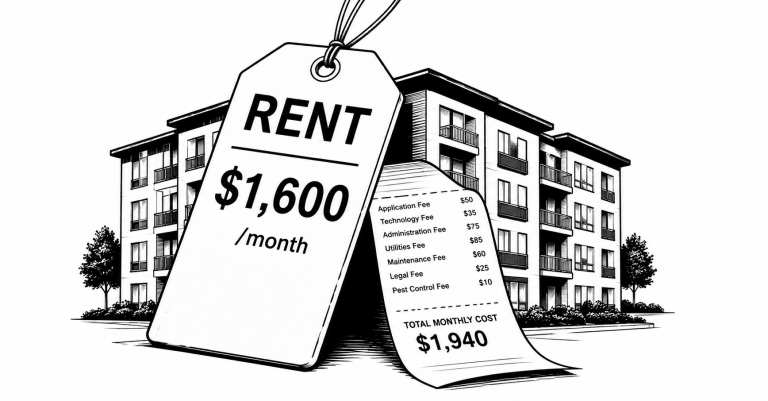
The price data confirms the gap between the ordinance’s intent and its effect. Median sale prices for single-family homes in East Woodlawn have risen 4.6 times since the center was announced in 2015, according to DePaul University’s Institute for Housing Studies, with prices on the side of the neighborhood closest to the center roughly doubling since 2019 alone. By 2024, less than a third of Woodlawn’s housing stock was considered affordable — half of what was available fifteen years earlier. Ald. Jeanette Taylor, whose ward includes the neighborhood, told Illinois Answers she has fielded hundreds of calls from residents who were priced out. “Had the city of Chicago listened to the community, this would not have happened,” she said.
The mechanism playing out at the Chaney Braggs Apartments shows how the gap in enforcement becomes a specific, individual harm. The building, blocks from the new center, is owned by a nonprofit originally created to preserve affordable housing in Woodlawn — but residents say the nonprofit effectively abandoned the property and stopped collecting rent after its founder died in 2022. About 20 households formed a tenant union to respond to declining conditions, and that organizing infrastructure is now being used to fight a different threat: a prospective buyer who has offered residents $2,000 per household to vacate, with no guarantee they could return after renovation or demolition. Some residents have lived in the building for thirty or forty years, paying $700 to $800 a month, well below what they would need to stay in a rapidly changing neighborhood. The building sits inside an ordinance-created pilot zone that technically gives tenants the right to buy the property first — the same right-to-purchase mechanism Illinois Answers found the city never enforced elsewhere.
The Chicago Department of Housing has responded to the investigation by forming a working group of city officials and residents, with its first meeting held April 1 and five more planned, to evaluate what went wrong using five years of program data. That response arrives after the displacement it’s meant to study has already happened to families like Bolden’s and the Chaney Braggs tenants — a sequencing problem that mirrors the ordinance’s original failure. The protections were designed to operate ahead of the center’s opening, not after. With the center now open and drawing the development pressure the ordinance was built to manage, the working group’s task isn’t preventing displacement anymore. It’s documenting how much already occurred, and whether the next ordinance Chicago has already passed for the neighboring South Shore area learns enough from what didn’t work here to actually function before the development pressure arrives instead of after.
— SSC Society Desk | Social Storytellers Collective
Free, daily structural analysis like this lands in your inbox every weekday morning. Subscribe: https://246481934.hs-sites-na2.com/newsletter