Dubai Is Paying to Protect the Promise of Stability
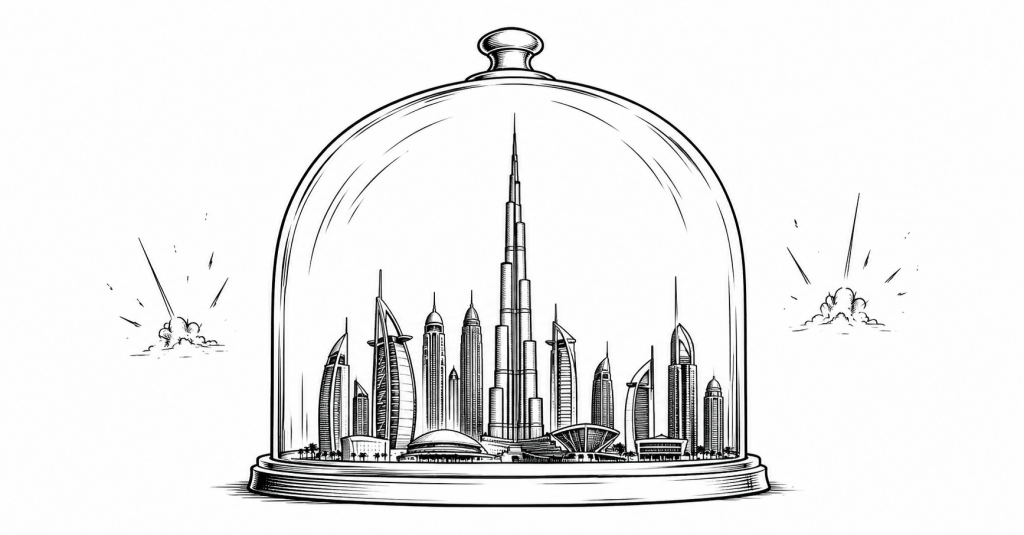
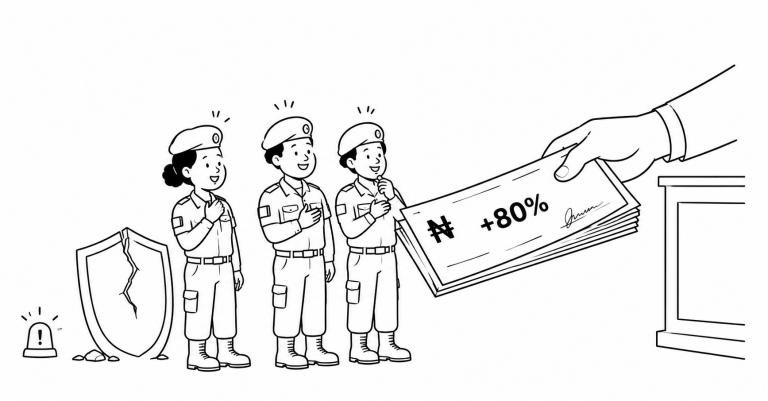
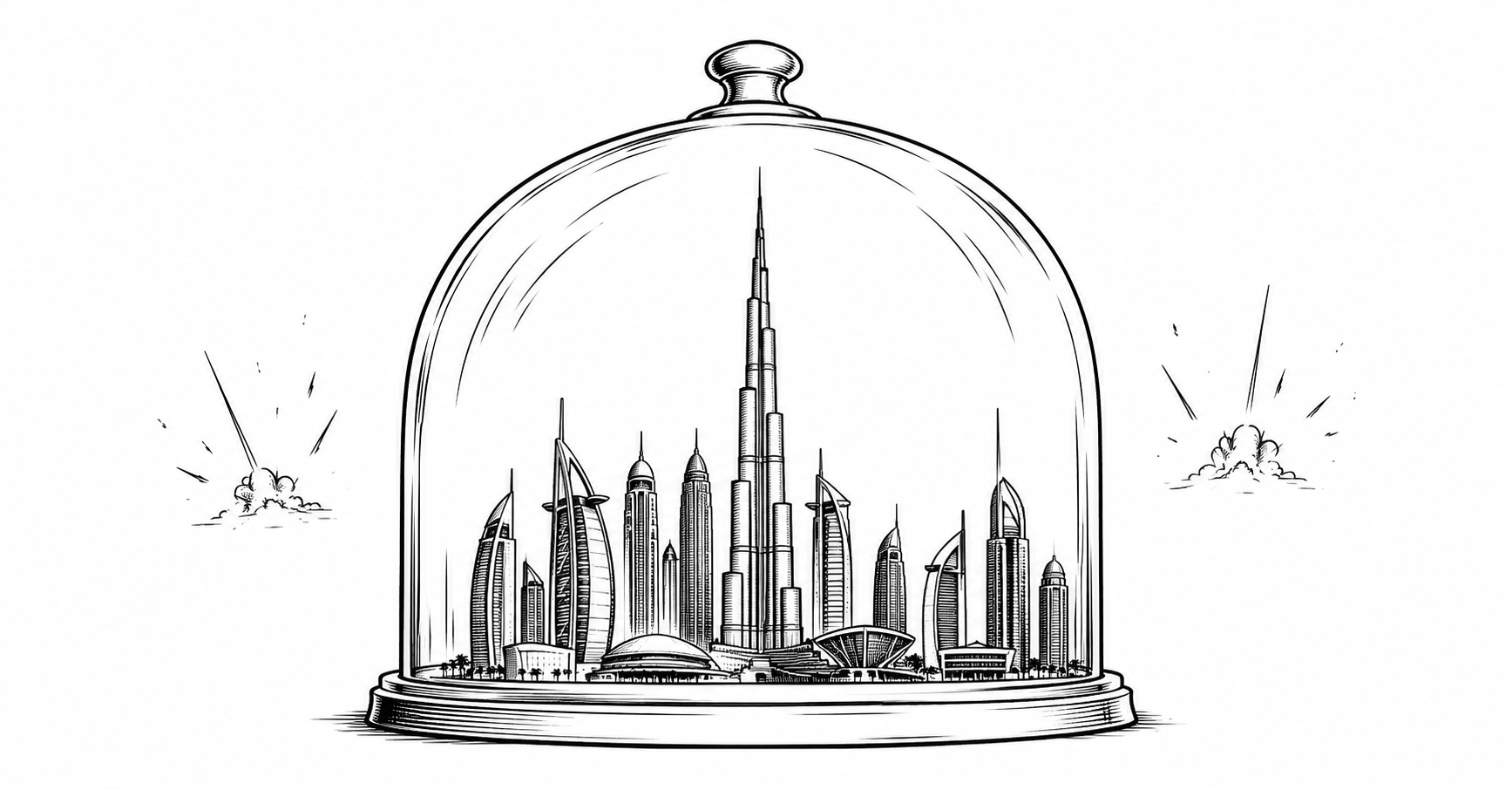
Reuters reported on June 25 that Dubai officials gathered hundreds of business leaders after Iran began striking targets across the United Arab Emirates in March, asking how the city could bring tourists and investors back and support affected companies. Dubai has since pledged 2.5 billion dirhams, or about $681 million, focused on tourism and retail — the sectors hit hardest by the conflict.
Global hubs sell predictability as much as infrastructure. Airports, financial systems, hotels, and retail channels are the product, but so is the belief that capital can move through a city with limited disruption. When missiles, shelter alerts, canceled travel, or regional escalation threaten that belief, the state has to spend money to protect it.
Dubai’s response shows how much of modern hub status rests on public-private crisis management. Officials convened business leaders, banks organized investor calls, and support measures moved quickly through the system. The city did not wait for the market to repair confidence on its own because investor confidence is the product Dubai sells — to tourists, airlines, hotels, retailers, and real-estate buyers.
The support package also reveals who matters first during a shock. Tourism and retail were prioritized because they are central to Dubai’s non-oil economy and global image. A city built around visitors, finance, luxury consumption, and international mobility cannot absorb a prolonged perception that it is exposed to regional conflict the same way as its neighbors.
That creates a dependence loop. Businesses choose Dubai partly because they expect the state to act during crisis. That expectation becomes another standing obligation: the state must keep proving that a hub economy will be defended when geopolitics interrupts normal commerce.
Reuters reported that analysts and business leaders said more incentives may be needed even after a preliminary U.S.-Iran peace deal eased immediate strain. Chatham House associate fellow Neil Quilliam told Reuters that investors want to know how authorities would respond if tensions return, not only how they managed the last shock.
Stability is not a natural condition for a hub city. It is built, maintained, subsidized, and defended. Power moves toward governments able to convert public authority into private confidence fast enough to prevent fear from becoming capital flight. Cities that cannot match that speed in the next geopolitical disruption will discover that hub status, once doubted, is harder to recover than it is to lose.