
Corporate Consolidation Is Undoing Diversity Work Before It Compounds

According to reporting from Technology Magazine, NewsOne, CIO Magazine, and Ongig, Verizon eliminated its DEI programs immediately after FCC pressure threatened to compromise its $20 billion Frontier Communications acquisition, with approval granted on May 16, 2025. T-Mobile terminated all DEI objectives and removed individual roles focused on diversity initiatives in late March. Meta eliminated DEI-related activities including supplier diversity programs and its internal DEI function in early January. Public DEI disclosure plummeted by 65% among Fortune 500 companies in 2026, according to Ongig and Fox Business reporting. FCC Chairman Carr has adopted a confrontational approach toward corporate diversity schemes, effectively signaling that mergers involving companies with active DEI programs face regulatory scrutiny. These actions represent a structural mechanism for eliminating diversity infrastructure: regulatory pressure creates cost-benefit calculations that treat diversity work as expendable.
Mergers accelerate this elimination by providing cover to cut costs. There is no racial language in the merger decision. There is no expressed intent to eliminate diversity work. The stated reason is efficiency—consolidated recruiting functions, eliminated redundancy, streamlined administration. But the effect is to kill diversity initiatives by eliminating the infrastructure that enabled them. The optics are clean. The real impact is the undoing of progress.
A company that commits to diversity in year one creates a diversity office and hires three DEI professionals. Years one and two focus on awareness-building and tracking demographic data. The company discovers that women hold 15% of engineering roles and people of color hold 12%. Years three and four implement targeted programs: recruitment strategy changes, mentorship programs, hiring manager training on unconscious bias. Years five to seven measure impact and refine programs. Hiring of women engineers reaches 25% of new hires. Promotion of women to manager level increases from 85 women per 100 men to 92 women per 100 men. Progress is incremental but measurable.
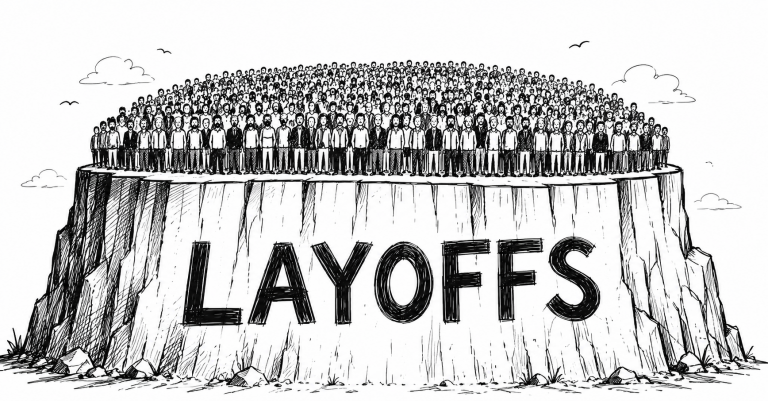
Then a merger in year five eliminates the entire department. The investment in years one through four is lost. The progress is erased. A company that hired 40% women in year one saw that cohort reach manager level in year six-seven. Promotion patterns were shifting. Then the merger happened. The diversity team was eliminated as redundant with the acquiring company’s diversity team. The prior diversity team is gone. Investment is sunk. Progress erased overnight.
The senior leader who authored the diversity strategy at the acquired company is absorbed into a regional role where diversity is not their primary responsibility. The diversity team members are laid off or repositioned. The infrastructure that tracked hiring and promotion data is dismantled. The mentorship relationships supporting advancement are disrupted. The momentum is lost.
Then the merged company resets. New hiring without the infrastructure to track or ensure inclusion reverts to previous patterns. Hiring managers who went through bias interruption training in year three have cycled out or don’t have reinforcement in year six. The recruiting function returns to previous patterns. Diversity reverts to baseline, which in tech means predominantly white and male. The entire progress loop is interrupted.
What happens when consolidation kills diversity infrastructure systematically? It persists indefinitely. Nobody has to choose discrimination. The system produces it automatically through invisible mechanisms. Regulatory pressure creates financial incentives to eliminate DEI work. Mergers provide administrative cover. Progress that took years to build is eliminated overnight. The demographic composition remains predominantly white and male. Diversity work never compounds into systemic change.