Los Angeles Showed During the World Cup That When Transit Is Made Legible, Car Culture Looks Like a Design Choice
When LA Metro ran match-day express buses and cut fares to $3.50 round trip, ridership climbed. When the tournament ended, the infrastructure returned to normal. So did the ridership.
The standard explanation for Los Angeles’s transit underperformance is cultural. It is a car city. Its geography is too spread out for rail. Its residents have chosen to drive. That explanation survived for decades partly because it was never seriously tested.
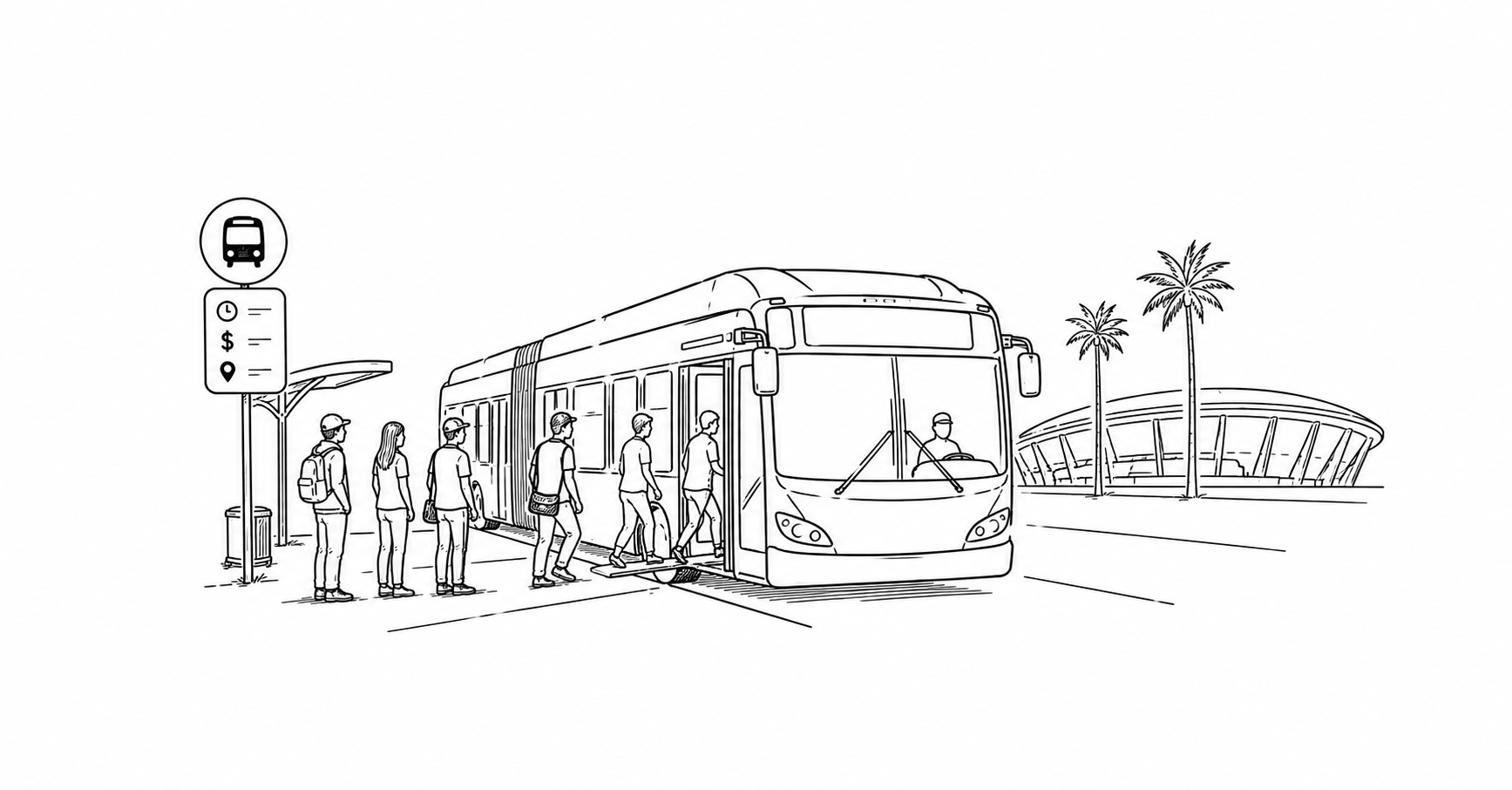
The 2026 FIFA World Cup tested it. Reuters reporter Ed White documented in June 2026 that Los Angeles Metro ridership rose measurably during World Cup match days — events held at SoFi Stadium in Inglewood and Rose Bowl in Pasadena, neither of which is easily accessible by car without significant traffic delays during major events. During those matches, LA Metro ran express buses, coordinated schedules around event timing, offered $3.50 round-trip fares, positioned bilingual ambassadors at key transfer points, and set up hydration stations along high-use routes. Fans used the system.
That outcome is not, on its own, evidence that Los Angeles will abandon car dependency. It is evidence of something more specific: that Angelenos will take transit when transit is direct, affordable, reliable, and organized around where they actually need to go. That is not a car culture story. It is an infrastructure design story. And the two require very different policy responses.
Los Angeles has some of the lowest per-capita transit ridership of any major metropolitan area in the country. The standard explanation attributes this to culture and geography. The World Cup data attributes it, more accurately, to design. The transit system’s normal operating condition features infrequent bus service on routes that require multiple transfers to complete journeys, fares that add up meaningfully for workers who ride twice a day, and schedules that don’t align with shift work or late-night retail hours. Under those conditions, workers who can access a car use a car. That is not a preference for driving. That is a rational response to an inferior alternative.
The LA Metro tournament operation demonstrated the alternative briefly. It was a temporary investment in legibility — making the transit system’s routing, timing, and cost structure obvious and viable for a specific trip. The transit system became the obvious choice for getting to the World Cup. Behavior changed. What the city did not do was carry those investments into the permanent operating model.
That is the policy decision the World Cup data illuminates. Not that Los Angeles can become a transit city overnight, but that the investments required to make transit the rational choice for more trips — higher frequency, lower fares, better schedule alignment with how people actually move through the city — produce measurable behavior change when they are made. The standard justification for underinvestment in transit is that Angelenos wouldn’t use it anyway. The June 2026 ridership data is a direct challenge to that justification. The ridership was there when the system was designed for it.
The $3.50 round trip will be gone until the next major event requires the city to make its transit system work again. The infrastructure design that produced the ridership is the part that requires a decision about whether Los Angeles is willing to make it permanent.