
Austin’s Wages Went Up and Its Rents Went Down at the Same Time. That Still Isn’t Affordability, and the Reason Is Who Set the Baseline.
Austin added 120,000 housing units over the past decade and watched its rents fall more than 16 percent from their peak. The city is being celebrated as a supply-side model. The workers who still cannot afford it are harder to find in the celebration.
Austin’s median rent fell more than 7 percent year over year as of early 2026 — approximately $100 below the prior year and roughly $300 below the September 2022 peak of $1,659 per month. The decline was driven by supply: the city added 120,000 housing units between 2015 and 2024, expanding its stock by 30 percent — more than three times the national construction rate.
The policy community has responded with enthusiasm. Austin is being cited as proof that building more housing reduces rents. That argument is correct and incomplete.
The affordability question is not only whether rents fell. It is whether they fell enough for the workers who need affordable housing to actually afford it.
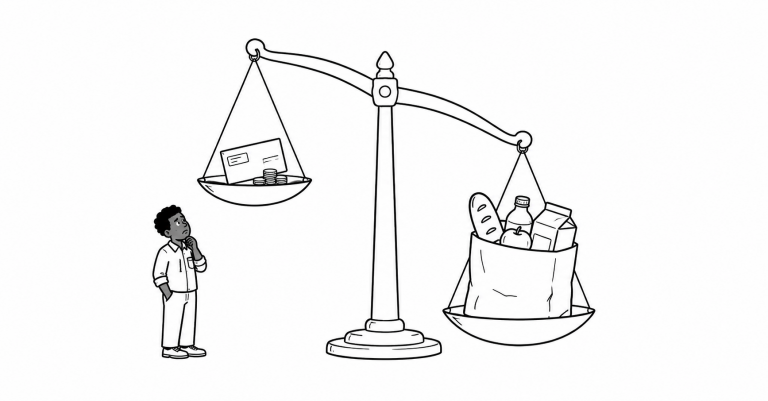
Austin’s current median rent is approximately $1,296 per month. A household earning the federal minimum wage of $7.25 per hour at full-time hours earns roughly $15,000 per year before taxes. Rent alone at the current median consumes more than 100 percent of that income. A household earning $20 per hour — above the median wage for many Austin service sector workers — spends more than 38 percent of gross income on rent at the current median, above the 30 percent threshold that defines cost burden.
The supply-side success in Austin concentrated new construction in the mid-market and luxury segments. Developers build where returns justify the cost. The volume of new construction brought down rents across the market — including at the lower end. But the lower end of the Austin market moved to a lower number, not an affordable one.
Home ownership remains further out of reach. Median home prices in Austin have stayed above $500,000. A household requires more than $140,000 in annual income to qualify for a median-priced mortgage under conventional lending standards. Wages have not kept pace with those thresholds, particularly for workers in the service economy that supports Austin’s growth.
Austin’s construction surge demonstrated that supply policy can move rent curves over time. It did not demonstrate that market-rate construction alone reaches the workers who clean the hotels, serve the food, and staff the hospitals that make the city function.
The headline is accurate. Austin’s rents went down. The baseline those rents fell from was set by a decade of extraordinary demand that priced out much of the city’s working population before a single unit of relief was built. The celebration of the decline rarely includes the people who left before the rents started falling.
—
Sources: Pew Charitable Trusts, “Austin’s Surge of New Housing Construction Drove Down Rents,” March 2026; KUT Austin reporting on rent costs and affordability, March 2026; Austin Current affordable housing reporting, June 2026.