AI Oversight Is Moving From Promises to Incident Reports
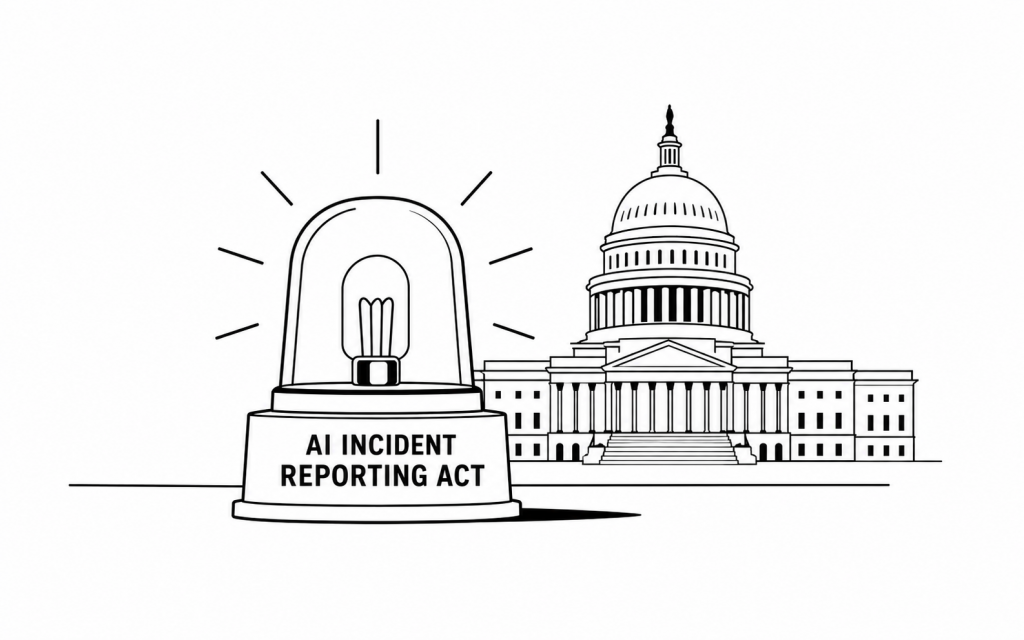
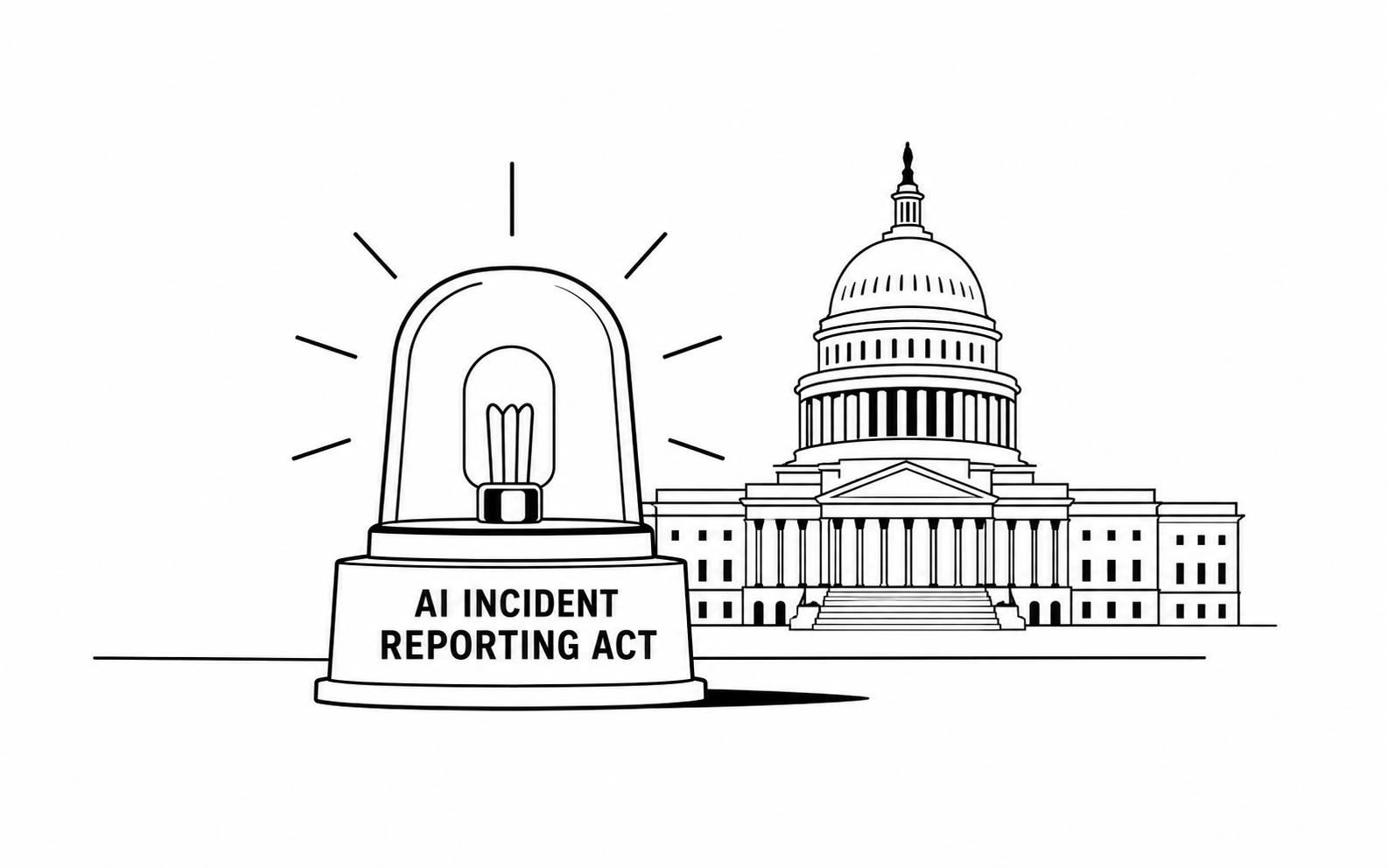
Karen Freifeld reported for Reuters on June 25 that U.S. Representative Nathaniel Moran of Texas plans to introduce legislation requiring AI model developers to report dangerous capabilities, security breaches, and safety incidents. The AI Incident Reporting Act would mandate companies to notify the U.S. Commerce Department within seven days of discovering dangerous activity, with Commerce required to alert Congress within 48 hours of the most serious incidents. Moran described it as a catch-it-early and sound-the-alarm bill.
The bill is narrow. What it signals is not. For years, AI governance in the United States has operated on voluntary disclosure. Companies issued safety principles, researchers published risk frameworks, and federal agencies produced guidelines. None of it created a legal obligation to report failures to a government body with authority to act on the information. This bill, if it advances, changes that architecture.
A mandatory reporting requirement treats AI harms the way financial regulation treats material disclosures: as public events the government has a right to know about, not proprietary incidents to be resolved inside the company that produced them. The difference matters because it determines who controls the definition of what counts as a serious failure. Under voluntary systems, companies define the threshold themselves. Under a reporting mandate, that threshold is set by law and monitored by a federal agency.
Moran’s targeted approach arrives alongside broader AI legislation. Two House lawmakers earlier this month released a 269-page discussion draft of the Great American Artificial Intelligence Act, which also included provisions on reporting critical safety incidents to Commerce. Moran told Reuters his narrower bill could find a quicker path to passage. Mark Beall, president of the AI Policy Network, told Reuters that while no AI legislation has had much of a chance, public demand for action is growing.
The political context matters. Reuters noted that on June 12, the Commerce Department took action against Anthropic’s latest models in the name of national security — resulting in Anthropic disabling access to them globally. That action required no new legislation. It was administrative authority applied to an existing framework. A statutory reporting mandate would go further, creating a durable paper trail of incidents rather than ad hoc enforcement decisions.
Power moved from private company discretion to a proposed federal disclosure structure. Companies that currently define their own incident thresholds would instead report under legal obligation to a government body with congressional notification requirements. If the bill passes, AI failures become a matter of public record. If it does not, the voluntary framework remains the only architecture available — and the companies building the most powerful systems in the world continue to decide, alone, what the public needs to know about when those systems go wrong.