World Inequality Report 2026: The Top 0.001% Now Controls Triple What Half of Humanity Owns

A net financial transfer equal to roughly 1% of global GDP moves from poorer nations to richer ones every year — not by accident, but by the design of a financial system that rewards wealthy economies regardless of their fiscal discipline. The World Inequality Report 2026, the third edition of a project led by the World Inequality Lab and edited by Lucas Chancel, Ricardo Gómez-Carrera, Rowaida Moshrif, and Thomas Piketty, makes that claim more forcefully than its predecessors: that the global financial system itself, not just domestic tax policy, is now a primary engine of inequality between countries, not only within them. “Inequality is silent until it becomes scandalous,” lead author Ricardo Gómez-Carrera said at the report’s launch. “This report gives voice to inequality — and to the billions of people whose opportunities are frustrated by today’s unequal social and economic structures.”
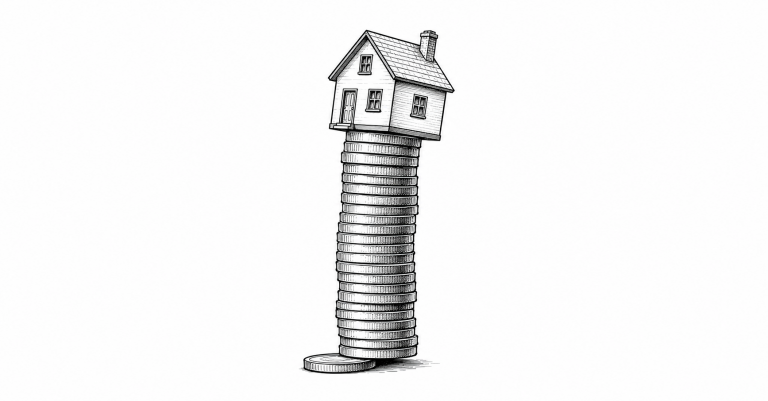
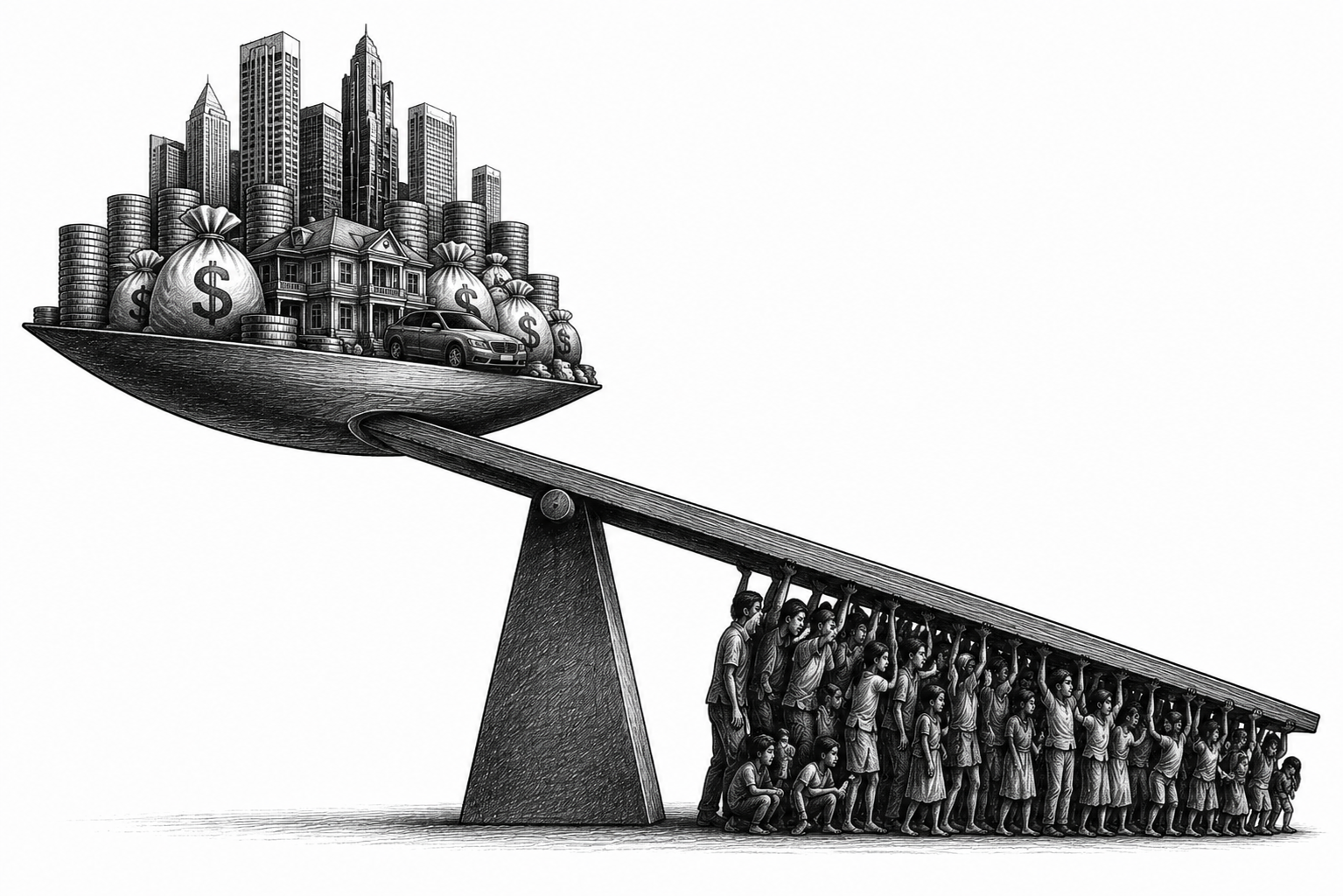
The headline wealth numbers are stark on their own. The top 10% of the world’s population holds 75% of global wealth. The bottom 50% holds 2%. The top 0.001% — a sliver of a sliver — now controls roughly three times the wealth held by half of humanity combined. Those figures alone would justify the report’s existence. The more structurally interesting finding sits one layer down, in the mechanics of how wealth moves between nations rather than just within them.
That annual transfer equal to 1% of global GDP is roughly three times the size of total global development aid, moving in the opposite direction from the one most people assume. The report attributes this largely to global demand for U.S. and European sovereign bonds: wealthy economies whose currencies are treated as “safe” by international regulation and market convention can lock in persistent demand for their own debt, which functions as a structural subsidy unavailable to lower-income economies regardless of their fiscal discipline. What was once described as the “exorbitant privilege” of the U.S. dollar specifically has, per the report, evolved into a broader structural privilege shared among wealthy, currency-issuing economies generally.
That framing changes what “global inequality” means as a policy target. If the gap were purely a matter of one country’s domestic tax code versus another’s, the fix would be domestic: tax the wealthy more, redistribute more aggressively, done. A financial architecture that systematically channels capital toward already-wealthy nations through bond demand alone isn’t something any single country’s tax policy can correct. It requires reforming the international financial system itself, which is precisely the kind of fix that’s easy to recommend in a report and difficult to execute through any one nation’s legislature.
The report’s policy toolkit names the obvious levers: progressive taxation including minimum taxes on extreme wealth, large-scale public investment in education and healthcare, climate policy that places responsibility on the owners of high-carbon capital rather than spreading the cost evenly, and reform of the financial system advantages enjoyed by wealthy economies specifically. World Inequality Lab co-director Rowaida Moshrif framed the report’s central argument directly: inequality “is not inevitable, it is shaped by choices, institutions, and power.”
What the report doesn’t resolve, and what no single edition of it can resolve, is the gap between diagnosis and implementation. The mechanism — wealthy nations’ currencies functioning as a magnet for global capital regardless of underlying economic merit — is identified clearly. Fixing it requires coordinated action among the nations currently benefiting from the arrangement. Expect continued precision in measuring this gap, and continued resistance to closing it, for exactly the reason the report identifies: the countries with the power to reform the system are the ones the current system rewards.