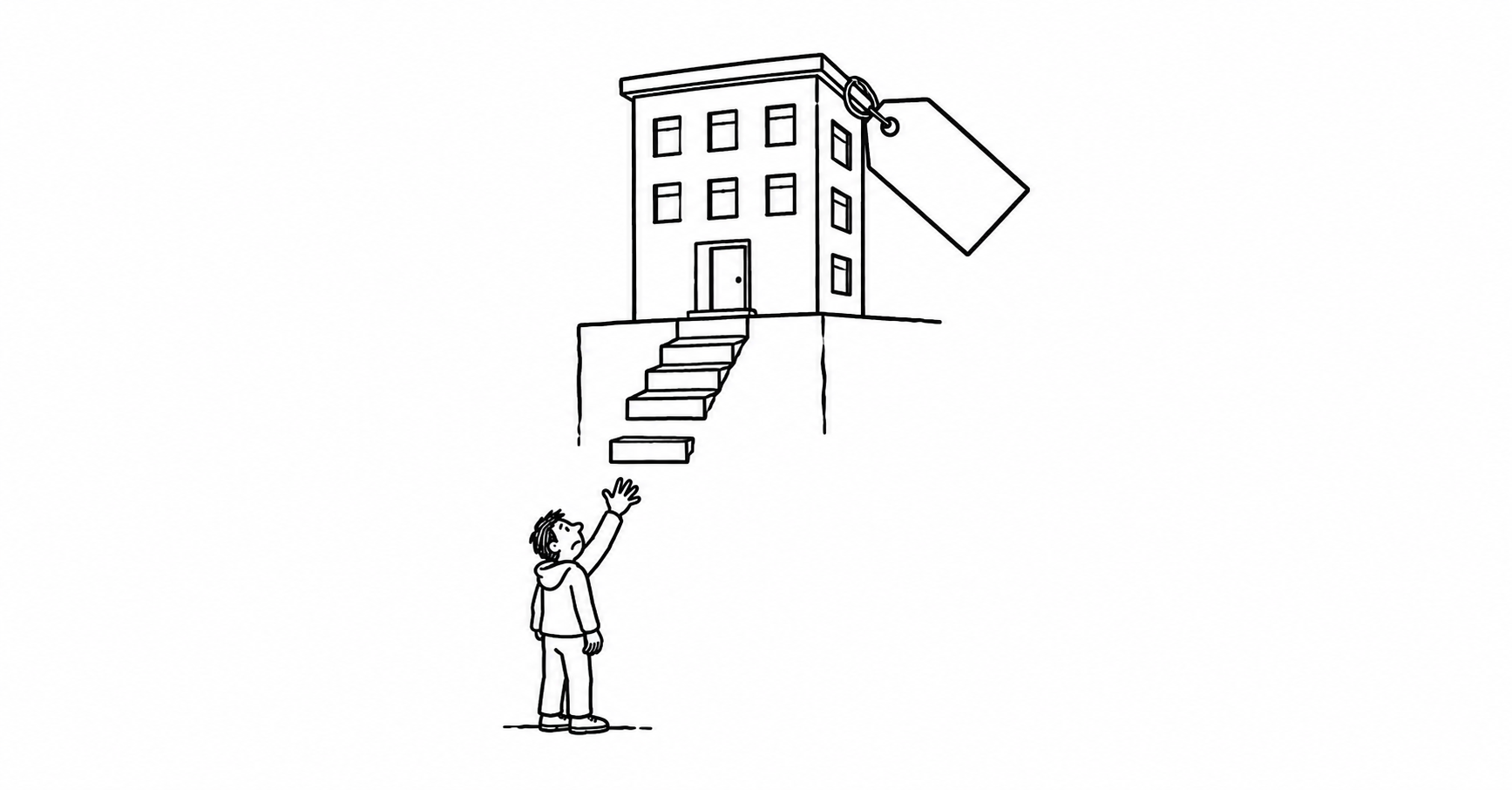
When “Affordable” Stops Meaning Accessible
The label is everywhere. The housing it describes is not always reachable by the people it was built for.
The word “affordable” in American housing policy carries a definition that most people who need affordable housing do not meet. Federal programs use Area Median Income as the benchmark for calculating who qualifies for subsidized units. Housing is typically designated affordable at 80%, 60%, or 50% of AMI depending on the program. The National Low Income Housing Coalition’s 2026 Gap Report estimates a shortfall of 7.2 million affordable and available rental homes for the nation’s 11 million extremely low-income renter households — those earning at or below 30% of AMI. The 80% and 60% tiers that anchor most Low-Income Housing Tax Credit developments serve a real need. They do not serve the households most likely to be sleeping in cars, doubling up with family, or spending over half their income on rent.
The AMI calculation compounds the problem in high-cost markets. In New York City, the 2026 AMI for a three-person household is $152,700. A unit affordable at 60% AMI in that market rents to a household earning up to approximately $91,620. That is not a low-income household by any conventional understanding of the phrase. It is a moderate-income household in an expensive city, and the subsidy infrastructure was built to serve it because that is where the financing mechanisms — particularly LIHTC — can produce viable developments. Extremely low-income households earning at 30% AMI, or about $45,810 for a three-person household in New York, need a deeper subsidy that the LIHTC structure was not designed to provide at scale.
The income floor requirement that most affordable housing programs impose makes the access gap worse. Most LIHTC developments require applicants to earn at least 2 to 2.5 times the monthly rent, applied as a gross income floor, not just a ceiling. A household earning $25,000 a year cannot qualify for an apartment renting at $1,100 per month, even if the unit is designated as affordable at 30% of AMI, because the income floor screens them out before the ceiling matters. The people the label was designed to protect are often too poor to access what the label describes.
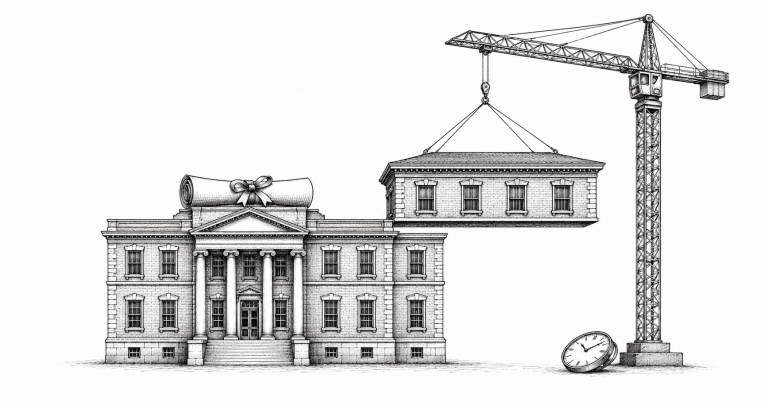
The Charlotte Centre South story SSC covered recently — nine years between demolition and groundbreaking, with affordable units at 65% to 80% of AMI — is a direct example of the access gap in practice. The households displaced from the original cottages were not earning 65% to 80% of AMI. The replacement units are not priced for them. That is not a failure of the developer or the housing authority. It is a description of how the financing system produces outcomes: it creates units that qualify as affordable under federal definitions while remaining out of reach for the households with the most acute housing need.
Power inside the affordable housing system sits with the financing mechanisms that determine what gets built. LIHTC, HOME, and similar programs fund the housing that their income tiers and underwriting requirements make viable. The households outside those tiers — the ones at 30% AMI or below, the ones with insufficient income to meet the floor requirements, the ones displaced before the replacement was built — absorb the gap the financing system was not designed to close. Expanding the definition of what counts as affordable is not a rhetorical adjustment. It is the precondition for building toward the population that actually needs the subsidy.