Czechia’s heat debate exposes the gap between emergency response and climate governance
Record heat is forcing governments to move from emergency warnings to redesigning schools, workplaces, transit, housing, and public space.
Czechia’s latest heat debate is not only about one hot spell. It is about whether governments are still treating extreme heat as an emergency interruption when it has already become a governance condition. Czech reporting from Expats.cz and ČTK described a political debate over how the country should respond as temperatures rise and public systems face recurring heat stress. Across Europe, that question is no longer theoretical. A record-breaking June heatwave pushed temperatures above 40°C in parts of the continent, disrupted power and transport, and exposed the distance between climate ambition and climate readiness.
Europe has spent years building policy around emissions reduction, but heat is exposing a second obligation: adaptation. Reuters reported that while the European Union is aiming for net-zero emissions by 2050, a much smaller share of EU climate funding has gone toward adaptation than mitigation. That imbalance matters because emissions targets do not keep a classroom cool next week, protect an outdoor worker during a heat alert, or make an apartment safe for an elderly tenant during a multi-day heatwave.
The Czech debate belongs inside that larger shift. Emergency response is the first layer: warnings, hydration advice, cooling centers, ambulance readiness, and public-health messaging. Climate governance is the deeper layer: building codes, school calendars, labor protections, tree canopy, transit resilience, housing standards, hospital capacity, energy planning, and heat-aware urban design. A government can issue alerts and still fail the governance test if the built environment remains designed for a cooler century.
Heat also reveals inequality quickly. People with air conditioning, flexible work, insulated homes, cars, and remote-work options experience heat differently from people in top-floor apartments, service jobs, construction sites, warehouses, public transit, or older housing stock. The Guardian reported that extreme heat across Western Europe threatens productivity in sectors such as construction, agriculture, and manufacturing, and that a short heatwave can meaningfully reduce labor productivity. But productivity is only the employer-facing measure. The human measure is who gets sick, who loses wages, who cannot sleep, and who has to keep working while the city tells everyone else to stay inside.
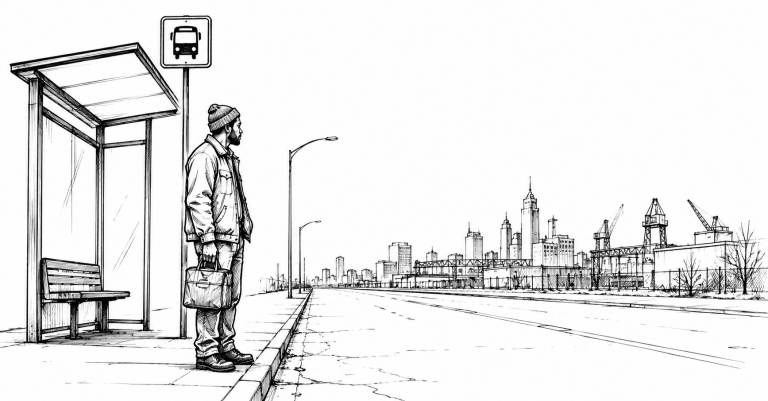
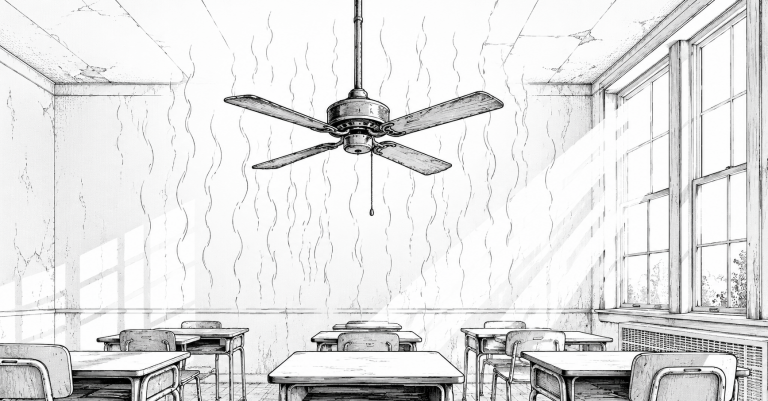
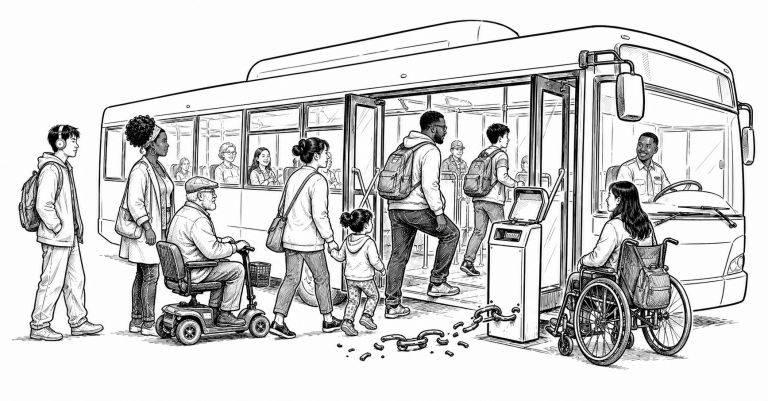
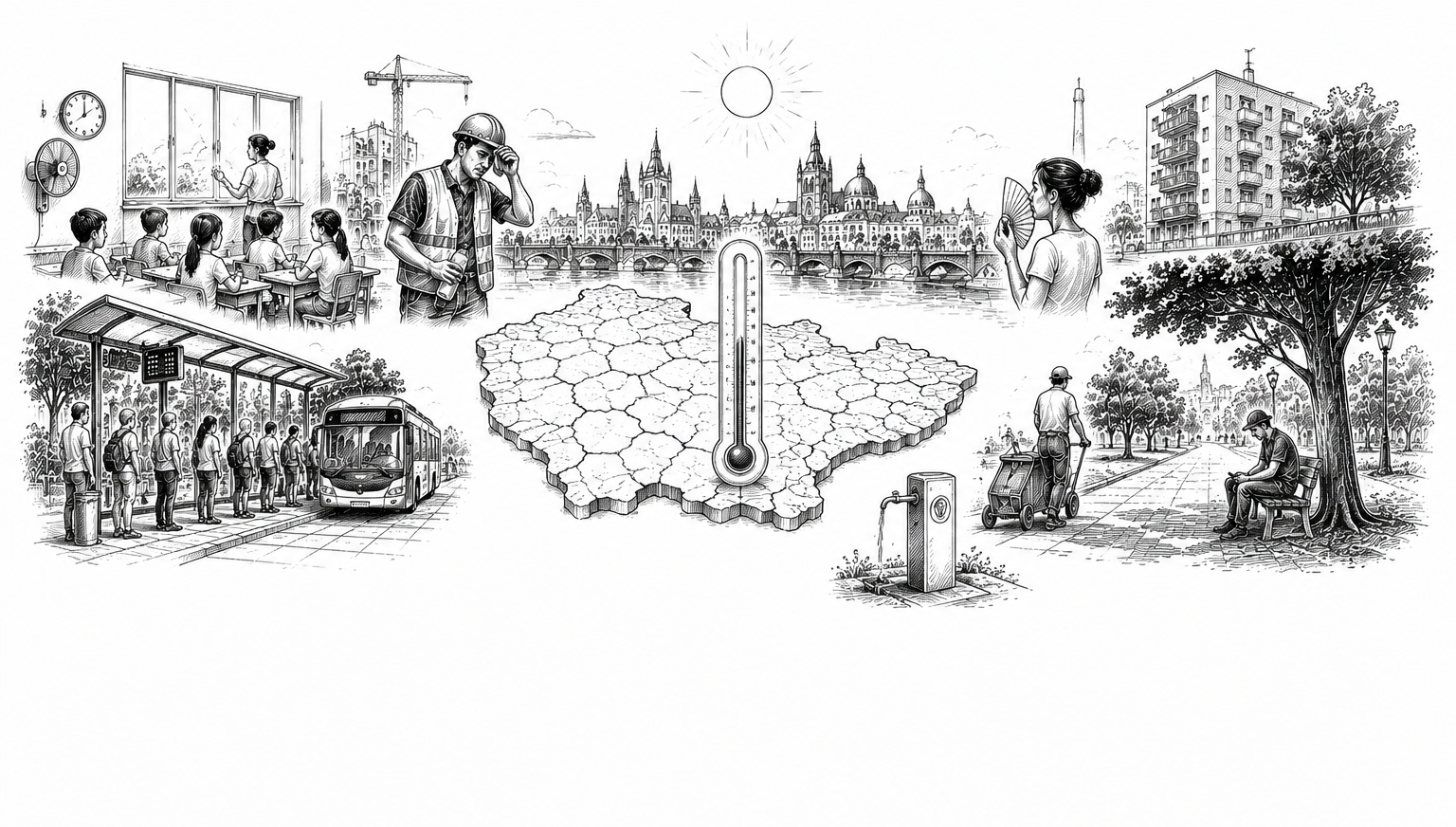
That is why heat policy cannot remain confined to public-health advisories. Schools need rules for indoor temperatures, outdoor activities, exam periods, and classroom ventilation. Workplaces need enforceable protections, not voluntary accommodations that depend on the employer. Transit systems need heat-resilient tracks, stations, vehicles, and schedules. Housing policy needs to treat cooling as habitability, especially as older buildings become unsafe during prolonged heat. Cities need shade and water access in the places where people actually wait, walk, work, and gather.
The harder political problem is that adaptation looks expensive before disaster and obvious afterward. Tree canopy, insulation, cooling upgrades, reflective materials, building retrofits, and labor protections require money, coordination, and maintenance. The payoff is measured in avoided deaths, avoided hospitalizations, avoided productivity losses, and avoided social breakdown. That makes adaptation vulnerable to delay, especially when governments are already managing housing shortages, energy costs, public debt, and political distrust.
Czechia’s debate is therefore a preview of the fights many governments will face. Who pays to make old buildings livable? Who decides when schools close or shift schedules? Should outdoor work be restricted during extreme heat? How much should employers be required to invest? Should public transit be redesigned for recurring heat stress? Which neighborhoods get shade and cooling first? These are not environmental questions alone. They are budget questions, labor questions, housing questions, and public-safety questions.
The next stage of climate politics will be judged less by whether governments acknowledge heat and more by whether they reorganize public life around it. Warnings are necessary, but warnings place responsibility on individuals. Governance changes the conditions those individuals live inside. Czechia’s heat debate matters because it shows the gap between recognizing a new climate reality and rebuilding systems for it. Record heat is no longer an exceptional event. It is becoming a recurring test of whether the state can protect people in the ordinary places where life happens.