Homeownership Is Becoming an Income Barrier Story
Rising home prices are changing who can participate in the housing market and where workers can afford to live.
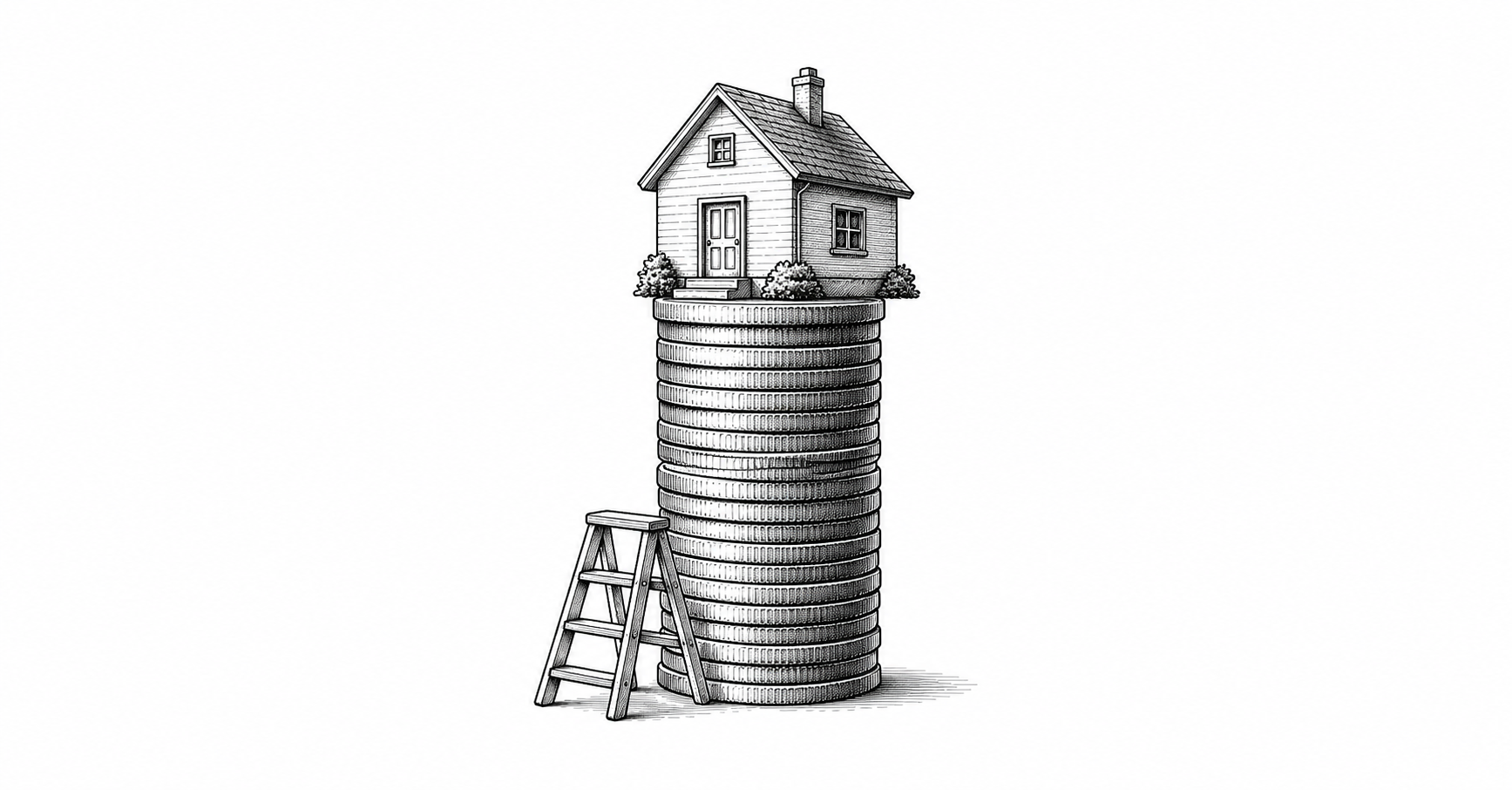
A new report from the Harvard Joint Center for Housing Studies, highlighted by the New York Post on June 19, found that the income required to afford a median-priced home has nearly doubled since 2020. A household earning roughly $66,000 could afford the median home four years ago. Today, that figure exceeds $120,000. The numbers illustrate how quickly the economics of homeownership have changed.
Housing affordability depends on three mechanisms working together: home prices, mortgage rates, and wages. During the pandemic, historically low interest rates made rising prices manageable. That equation broke as rates climbed and prices remained elevated. Wages have risen, but not nearly fast enough to offset borrowing costs. As a result, households that once sat comfortably inside the middle class increasingly find themselves priced out of ownership.
The timing reflects years of constrained supply. Builders slowed construction after the financial crisis and never fully caught up. Zoning restrictions, labor shortages, and higher material costs limited new housing production. Population growth and pandemic migration patterns intensified competition. By the time interest rates moved higher, the shortage had already been built into the market. Higher borrowing costs merely exposed how little margin remained for buyers.
Housing determines far more than where people sleep. It shapes labor markets. Workers can only pursue opportunities where they can afford to live. Employers in fast-growing regions may struggle to recruit if housing costs absorb wage gains. Homeownership has traditionally functioned as a mechanism for wealth accumulation, but when entry prices rise faster than incomes, wealth creation becomes concentrated among households that already own assets.
Power inside the housing market shifts toward existing owners. Homeowners benefit from appreciation and fixed-rate mortgages secured during lower-rate periods. Renters and first-time buyers absorb the cost. Younger households postpone family formation. Middle-income workers spend more years renting. Geographic mobility declines because moving often means giving up a lower mortgage for a higher one. A housing shortage becomes a labor constraint.
The consequences extend into local economies. Areas with high housing costs increasingly attract wealth while pushing essential workers farther away. Teachers, nurses, and service employees face longer commutes or leave expensive regions entirely. Cities then encounter shortages in occupations that make economic growth possible. Housing policy and labor policy become intertwined because affordability determines where talent can actually live.
The next phase of the affordability crisis may not be measured simply by home prices. It may be measured by mobility. Regions that fail to expand housing supply risk losing workers and businesses to places where ownership remains attainable. The competition between cities increasingly depends not only on jobs but on whether the people filling those jobs can afford to stay.