Free Public Transit Cities Are Running the Access Experiment
Removing the fare doesn’t just make transit cheaper. It changes who shows up, how often they come, and what the system starts to become.
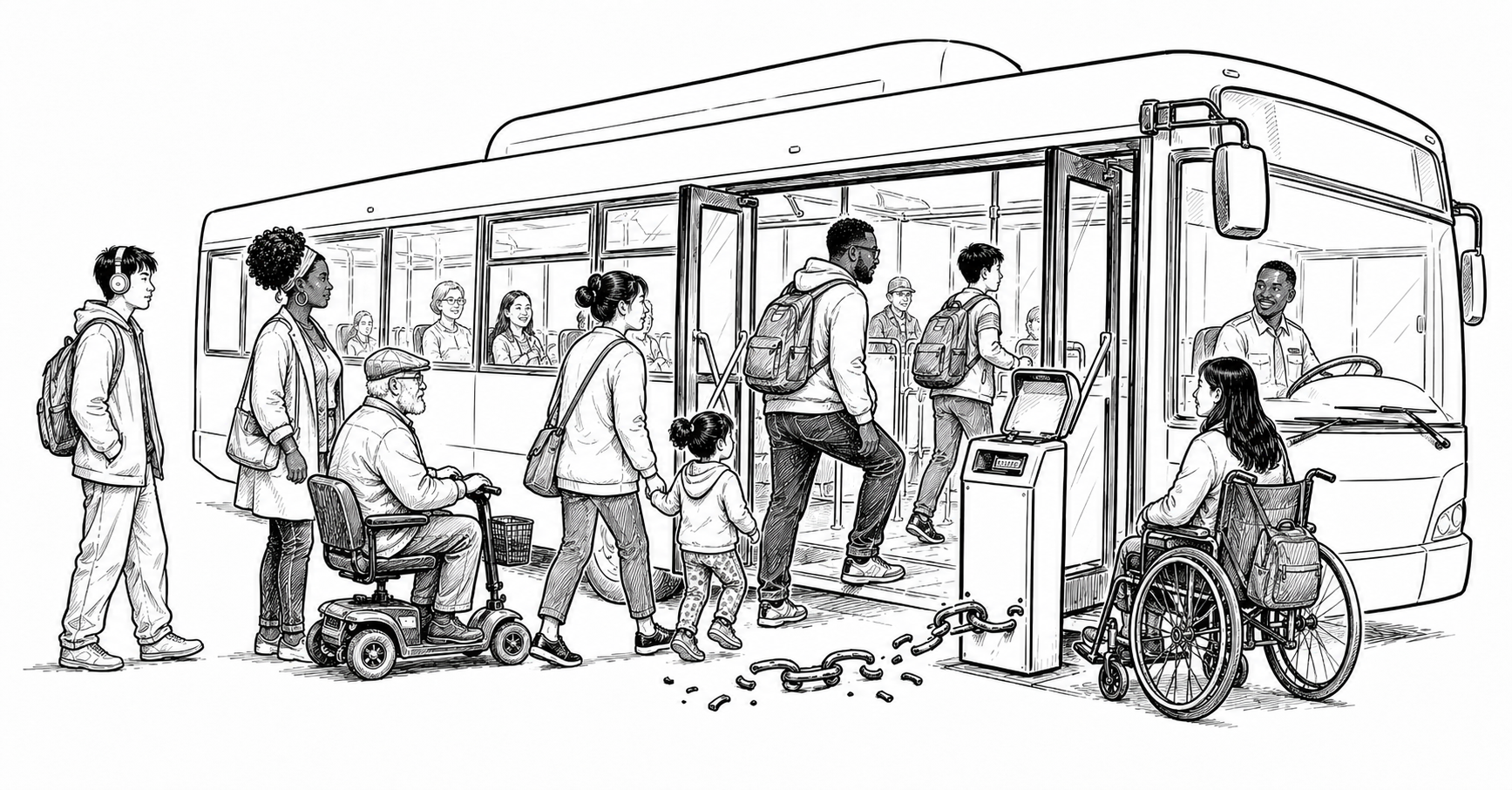
America’s public transit debate has spent decades focused on the wrong question. The question has been: how do we get more people to ride? The fare-free cities are demonstrating that the better question is: what happens when access stops being contingent on a payment?
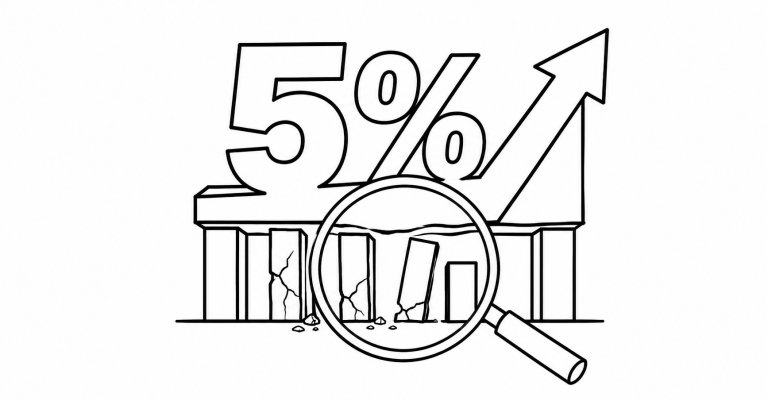
The evidence from the cities running the experiment is consistent. In the Fall River and New Bedford area of Massachusetts, the Southeastern Regional Transit Authority went fare-free in January 2024. Bus ridership increased 55.5% in the first five months of fiscal year 2025 compared to the period before. In Worcester, ridership on fare-free service increased 16% in 2024, enabling the Worcester Regional Transit Authority to record its largest ridership total in the agency’s history. Those numbers represent people who were already in the cities, already needed to get somewhere, and were being filtered out by a fare.
Transportation costs disproportionately burden low-income households. According to the Robert Wood Johnson Foundation, transportation is the second-largest household expense for low-income families after housing. The fare is not a neutral cost. It functions as a gatekeeping mechanism that falls hardest on the households that most depend on the system to function. A $2.90 fare — the new subway price in Chicago after its September 2025 increase, matching New York City as the highest in the country — is a different amount of money for a household earning $35,000 than for a household earning $85,000.
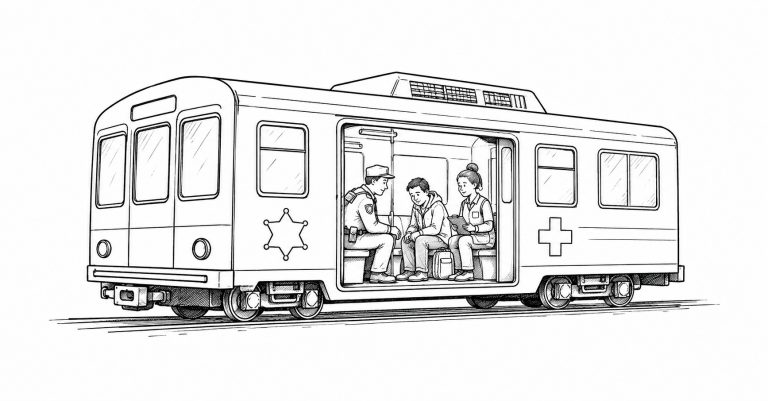
Miami-Dade County operates the Transportation Disadvantaged (TD) Program, providing fare-free and unlimited access through 1-Day, 7-Day, and 1-Month passes funded by the TD Trust Fund and state-local partnerships. The program targets low-income, elderly, and disabled populations, improving mobility and access to healthcare, employment, and essential services.
The federal infrastructure funding picture frames the stakes. U.S. transit systems logged 8.1 billion trips in 2025. The Infrastructure Investment and Jobs Act, which has provided the authorization backbone for federal transit investment since 2022, expires on September 30, 2026. The American Public Transportation Association has called on Congress to commit nearly $138 billion to transit over five years in the next reauthorization — $30 billion more than the current commitment. The Capital Investment Grant program, which funds new rail and BRT expansion, was already cut to $3.7 billion in the current fiscal year, nearly $500 million below prior-year levels.
The fare-free experiment is running inside a national transit system under financial pressure. Chicago is facing a $771 million shortfall following the expiration of federal pandemic relief funds, with 40% service cuts projected if new funding is not secured. The cities that removed the fare and saw ridership surge did not do so because the finances were comfortable. They made a choice that access was the goal, not cost recovery.
The argument underneath the fare-free movement runs through several other systems SSC has covered — the community land trust model, broadband equity programs, transit ballot measures: when access infrastructure is designed around community need rather than market return, more people use it, more people are reached by it, and the system does more of what it was built to do. The fare was never the purpose of the transit system. It was the mechanism for underfunding it.
— SSC News Desk | Social Storytellers Collective
Free, daily structural analysis like this lands in your inbox every weekday morning. Subscribe: https://246481934.hs-sites-na2.com/newsletter