Newark’s Transportation Access Crisis Deepens as Transit Cuts Limit Low-Income Workers’ Job Reach
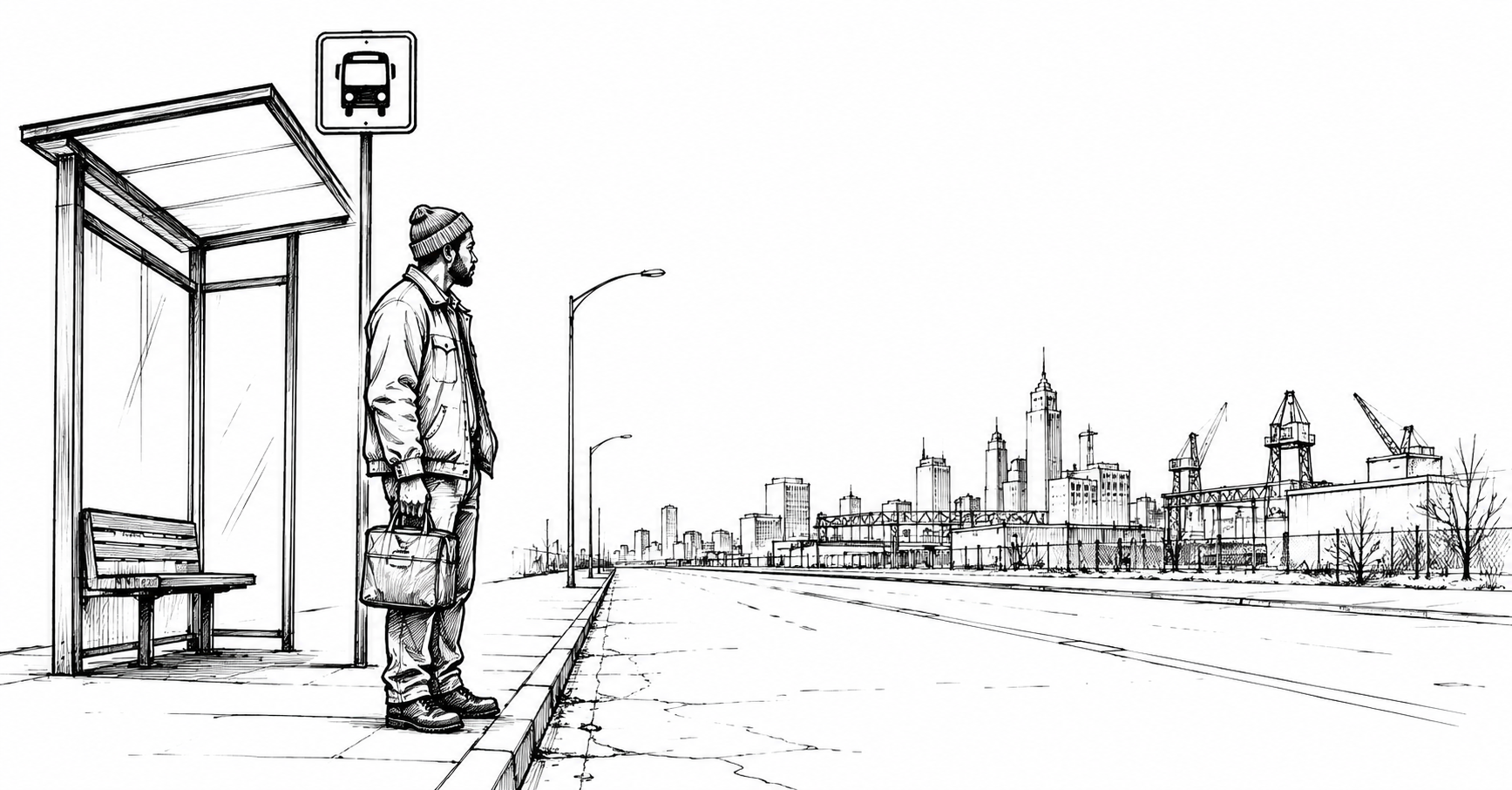
When the bus doesn’t come, the job doesn’t start
Newark sits at the center of one of the most transit-dense regions in the country. It has direct rail connections to Manhattan, a light rail system, bus lines running through its neighborhoods, and Penn Station as a regional hub. None of that infrastructure has translated into reliable transit access for the low-income workers who depend on it most — because the gap in American transit is rarely about whether the line exists. It is about whether the bus runs frequently enough, late enough, and close enough to where people actually live and work to make a job reachable.
NJ Transit has faced years of compounding service pressure: deferred maintenance, budget shortfalls, fare increases, and a workforce shortage that has produced chronic service gaps on the lines Newark residents use most. The workers most exposed to those gaps are the ones with the fewest alternatives — people commuting to warehouse jobs, healthcare positions, food service, retail, and cleaning contracts that run on early morning and late night schedules that bus frequency was never designed to serve. When a shift starts at 5:30 AM and the first bus runs at 6:15, the schedule itself is the barrier. No amount of job training, resume support, or workforce development closes that gap. The job is unreachable from the address.
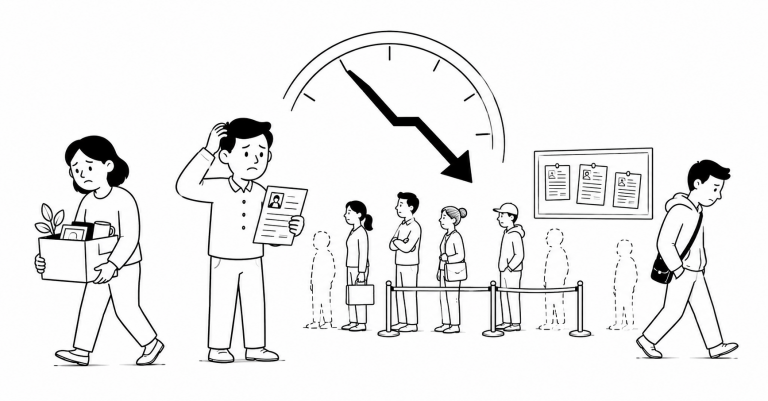
Transit access research is consistent on this point. Job reach — the number of employment opportunities accessible within a given commute time — is one of the strongest predictors of whether low-income workers can secure and maintain employment. Cities with high job reach produce better employment outcomes for residents at the bottom of the income distribution. Cities with deteriorating transit frequency, reliability, and coverage produce the opposite: workers who miss shifts, lose jobs, and cycle through unemployment not because of skills gaps but because the physical connection between home and work keeps breaking. Newark’s concentration of low-income households, combined with NJ Transit’s chronic service instability, produces a labor market that looks connected on a map and functions as isolated in practice.
The policy failure here is a compounding one. Federal transit funding uncertainty, state budget constraints, and fare-box revenue dependence create a system in which the agencies most responsible for connecting low-income workers to jobs are structurally dependent on the ridership and revenue of higher-income commuters to function. When those commuters shift to remote work or driving, the financial case for frequent service on low-income corridors weakens — even though those are the riders who have no substitute. Power moved from transit-dependent workers toward the fiscal priorities of agencies that were never fully designed to serve them, and the job market advantage of workers who can drive or work remotely compounds with every service reduction that makes a bus line less reliable for the people who cannot.