Music & Film
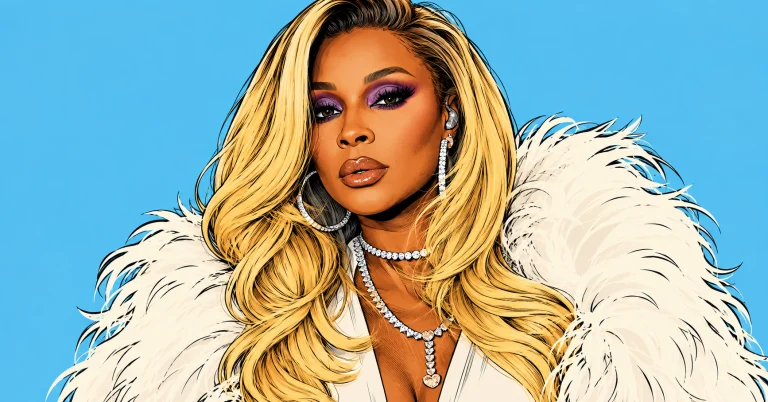
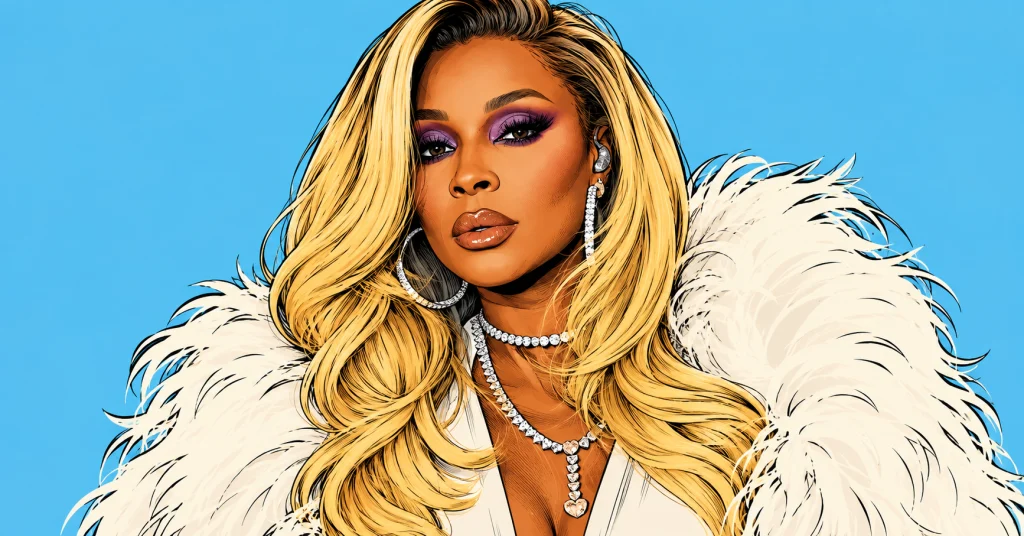
Mary J. Blige Sold Rights to Her Music. Can You Put a Price on What It Meant to Black Culture?
The Queen of Hip-Hop Soul’s new catalog deal raises a question bigger than royalties: who protects the music, memories and cultural history that helped define generations of Black Americans?
By Will Davison Jr. · October 28, 2026
Music & Film
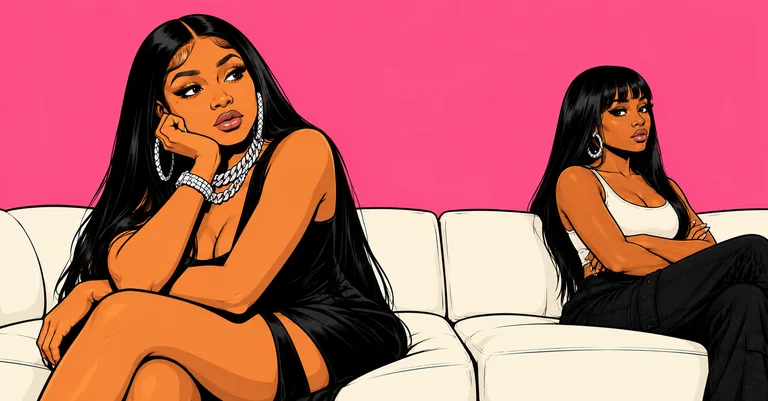
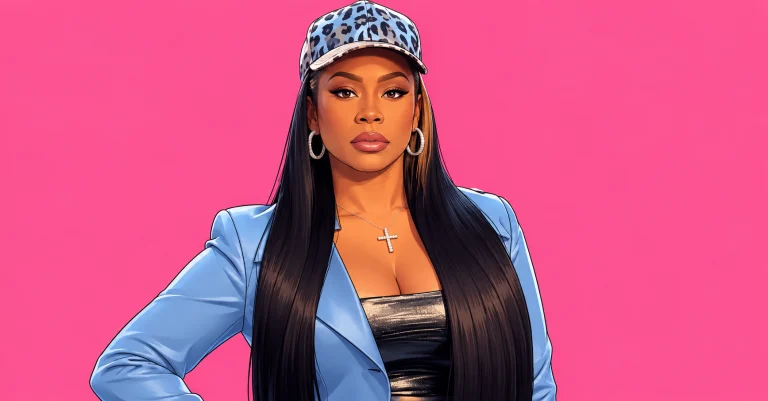
Keyshia Cole’s Recent Performances Have Fans Asking Questions. But When Does Concern Become Public Judgment?
Viral footage from a Houston appearance has reignited criticism of the R&B singer's live shows. Some fans are asking whether they got…
Music & Film
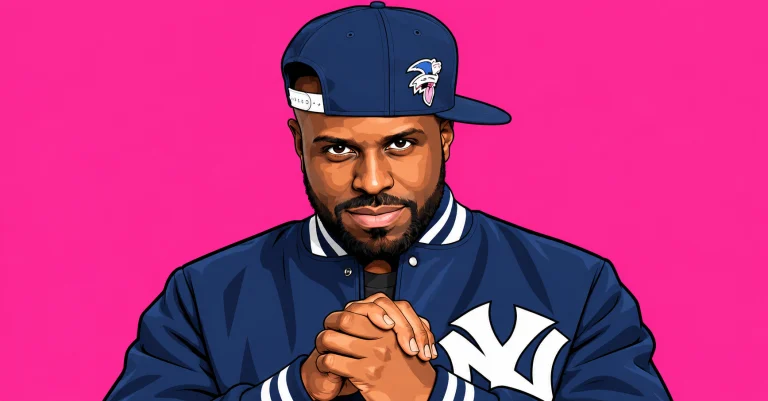
Funkmaster Flex Says He Was Baited at the Garden. He and His Accuser’s Husband Go Back Decades.
Flex denies being punched and accuses Shadow Stokes of setting him up for a lawsuit. TT Torrez says the video leaves out…
Music & Film
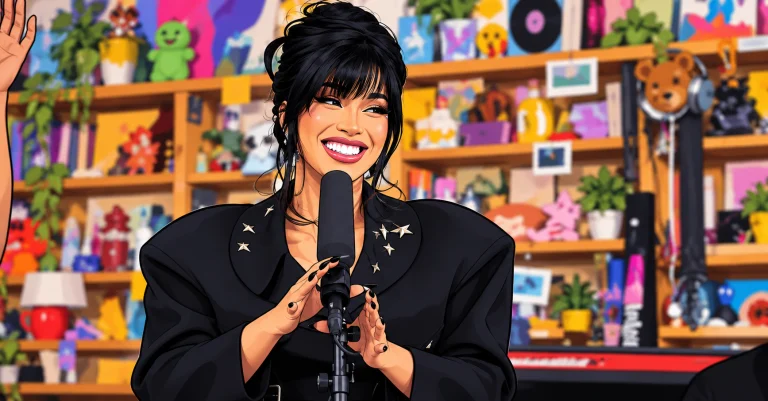
Cardi B Cut Latto’s Name From ‘ErrTime’ at the Tiny Desk. The Feud Is Still Playing Out in the Lyrics.
A quiet lyric swap during Cardi B’s NPR Tiny Desk set reopened a feud that one leaked phone call started and a…
Music & Film
The Music Industry Is Learning to Label AI Songs. Paying the Artists Is Another Matter.
YouTube Music is introducing labels that tell listeners when artificial intelligence helped create a song. A new music…
By Social Storytellers Collective News Desk · October 21, 2026
Music & Film
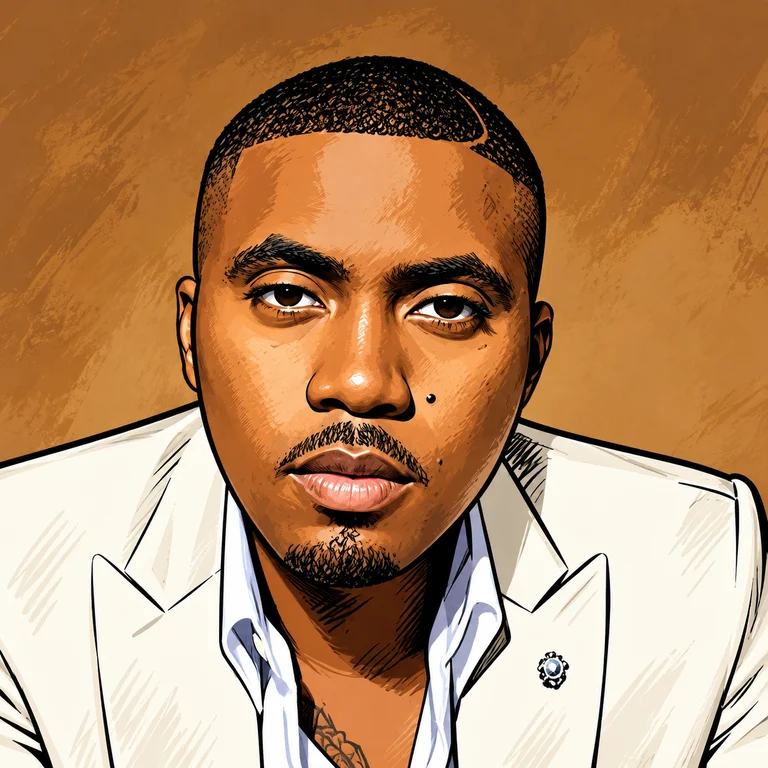
Nas Says Black Music’s Greats Were ‘Stolen From.’ The History Backs Him Up.
In an open letter, Nas said the music industry “forgets or doesn’t compensate the foundation.” From Robert Johnson’s…
By Social Storytellers Collective News Desk · October 21, 2026
Media
Netflix Still Has the Audience. The People Making Television Need Something More.
Netflix is facing slower engagement growth and fierce competition from YouTube. Behind the streaming industry’s financial math is…
By Social Storytellers Collective News Desk · October 21, 2026
Music & Film
Afrobeats Is Still Growing. The Crossover Hits Have Gone Quiet.
Streams and revenue are still climbing. The run of giant American hits that made the genre feel unstoppable…
By Will Davison Jr. · October 18, 2026
Breaking News
- Yung Miami Misses JT. Her New Song Shows How Much Their Friendship Still Hurts.
- Cardi B’s NPR Tiny Desk Concert Premieres Today at Noon ET
- Indian Cinema Loses Nana Patekar, an Actor Who Bridged Mainstream and Independent Film
- Eva Marie Saint, Oscar Winner for “On the Waterfront,” Dies at 102
- The Grammys Are Keeping Asian Pop Separate. Two of Its Biggest Acts Are Sitting Out.
From the Newsroom
Creators
The Influencer Has Entered Hollywood’s Casting Pipeline
When British creator Chiara King received an email asking whether she wanted to play a fictionalized version of herself in a horror…

Music & Film
R&B Has the Voices. It No Longer Has the Machine That Made Superstars.
The genre is producing some of its most accomplished singers in decades. What has changed is the industry that once turned great…
Media
What’s Actually Worth Streaming This Weekend?
This weekend’s strongest new streaming options range from political crime and Spielberg science fiction to action comedy, horror and a few titles…
Opinion
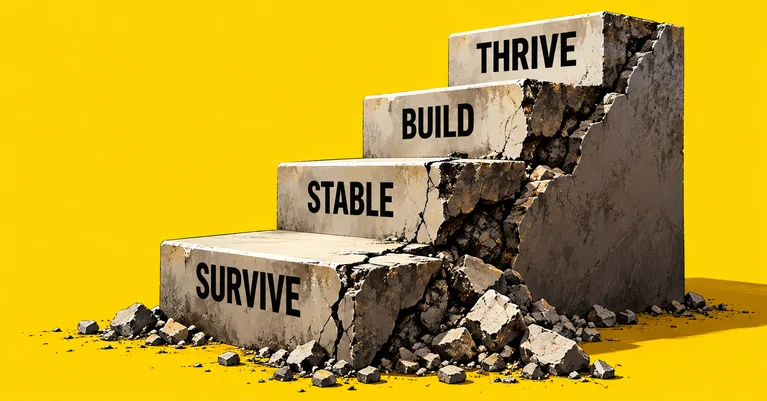
Black Poverty Is Falling. Why Are We Still Calling This Progress?
The latest Census figures offer encouraging news, but nearly 8 million Black Americans still live below the poverty line. At what point do we stop celebrating small improvements and confront…
By Bryson Davis · October 27, 2026
Read the column →In Case You Missed It
Music & Film
Negril’s New Film Festival Is Betting That Paradise Can Also Be Industry Infrastructure.
Negril's film festival is selling more than a beachfront screening experience. Its 2026 program is built…
By Social Storytellers Collective News Desk · October 15, 2026
Media
What to Watch, Read and See This Week: The Weekend Culture List.
This week's culture slate is heavy on power, memory and reinvention — from a return to…
By Social Storytellers Collective News Desk · October 10, 2026
Music & Film
Jay-Z Would Let Kanye West Cut the Verse. He Wouldn’t Let Him Change It.
Five years after “Jail,” Jay-Z says Kanye West objected to one political line in his verse.…
By Leena Alridge · October 3, 2026
Media
SSC Weekly Playlist: Inflection Points — Volume 1
We’re introducing a new series today. Inflection Points is SSC’s weekly curated playlist — not a…
By Social Storytellers Collective News Desk · June 19, 2026
Music & Film
Death Row Just Landed in Las Vegas. The Timing Is Not Coincidental.
Snoop Dogg’s cannabis brand is now in Nevada — the highest-performing cannabis retail market in the…
By Leena Alridge · May 26, 2026