Americans Are Spending Like the Economy Is Strong. They’re Borrowing Like It Isn’t.
SSC News Desk
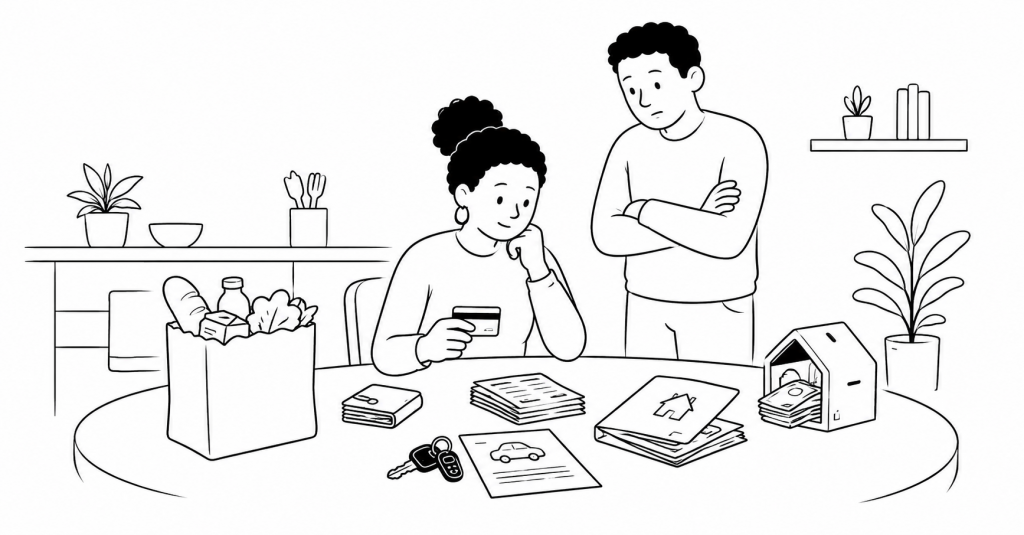
Personal consumption grew 3.2 percent in the second quarter. Credit-card spending in July, excluding gasoline, was up 4.3 percent. By the headline numbers, the American consumer is holding. What is also holding is $18.8 trillion in total household debt — and the mechanisms generating that figure are becoming harder to look away from.
The two numbers worth putting next to each other: U.S. auto-loan originations reached a nominal record of $211 billion in the second quarter of 2026, and inflation-adjusted incomes have weakened. Both of those things are true at the same time. The spending is real. So is what is funding it.
SSC followed this story in Reuters, where reporter Howard Schneider documented the growing gap between what American households are consuming and what their income growth actually supports. The picture that emerges is not one of a consumer economy in distress — delinquency rates edged down to 4.7 percent, and spending data across categories remains positive. It is a picture of a consumer economy that is performing well on the surface and financing that performance in ways that were not the dominant pattern three years ago.
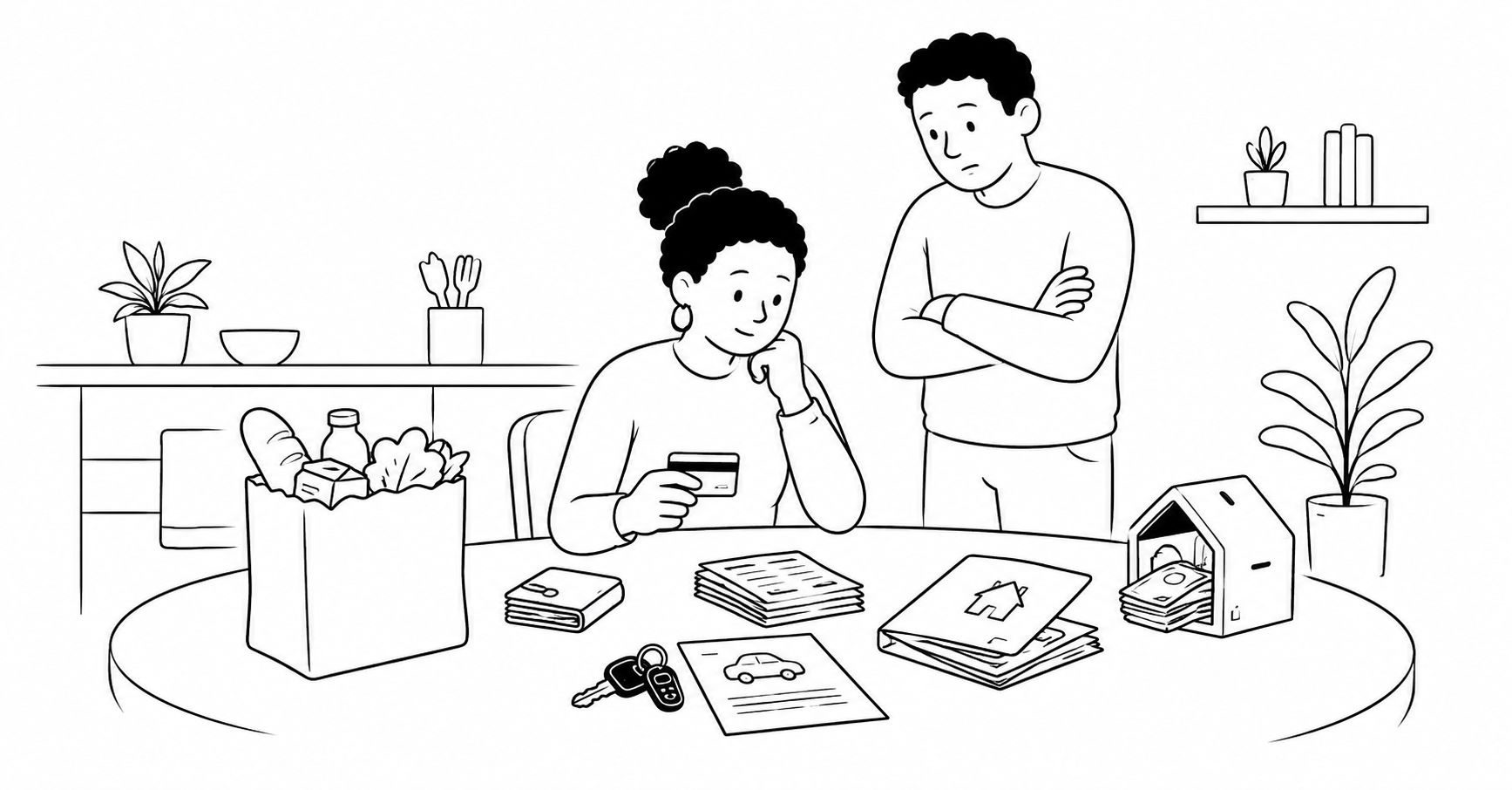
The clearest example is what is happening with home equity. Home-equity borrowing rose $19 billion in the second quarter, driven in large part by older homeowners who are sitting on significant accumulated equity but locked into mortgage rates they have no incentive to refinance. Rather than touching their mortgage, they are borrowing against the equity — pulling cash out of their homes to fund consumption without triggering the rate penalty that refinancing would impose. The house is functioning as a spending account for a population that holds it.
That dynamic is sustainable until it is not. Home equity is a finite resource tied to property values, and the borrowers most aggressively tapping it are doing so because income growth is not filling the same function. The Federal Reserve Bank of New York’s data shows total household debt at $18.8 trillion — a figure that has climbed steadily even as the consumer has continued to spend. The resilience is real. The architecture underneath it is changing.
Auto lending tells a similar story from a different angle. $211 billion in second-quarter originations is a nominal record — which means the dollar volume of loans being written to finance vehicle purchases has never been higher. Part of that is price: vehicles cost more than they did in 2019, and financing a more expensive asset naturally produces a larger loan. But part of it is what happens when people need transportation and do not have savings positioned to absorb the purchase. They borrow. The vehicle gets bought. The consumption number goes up. The debt balance goes up with it.
The delinquency figure — 4.7 percent overall, edging down slightly — is doing a lot of reassuring work in the consumer resilience narrative. Lower delinquency is genuinely good news. It suggests that households are, for now, managing what they owe. But delinquency is a lagging indicator. It reflects the state of borrowing that happened months or quarters earlier, under conditions that may not persist. It is not a measure of whether the borrowing being done today will prove serviceable twelve months from now.
The consumer story that gets told most often in 2026 is that Americans keep spending despite everything, which is accurate. The story that gets told less often is what “everything” includes: flat real income growth, record auto-loan balances, expanded home-equity drawdowns, and a total debt figure that has not stopped climbing. Spending is a behavior. It can be sustained by income, by savings, or by leverage. When income growth weakens and savings buffers shrink, the remaining option is the one that shows up in the $18.8 trillion total.
The consumer is not in crisis. The consumer is making do — and the tools available for making do are increasingly ones that will need to be repaid.