Michigan Is Removing First-Year Grades to Protect Student Mental Health. That’s Not What This Is.
SSC News Desk
The University of Michigan is not solving a mental health problem. It is managing a preparation problem and calling it something else.
Beginning in fall 2027, first-semester freshmen in the University of Michigan’s College of Literature, Science, and the Arts will receive Pass/No Credit grades rather than letter grades. The university says the change is designed to “curb the mental health crisis” among students by giving them more time to adjust to the demands of college before the formal academic record begins. The announcement has been received, in many quarters, as a compassionate institutional response to student suffering.
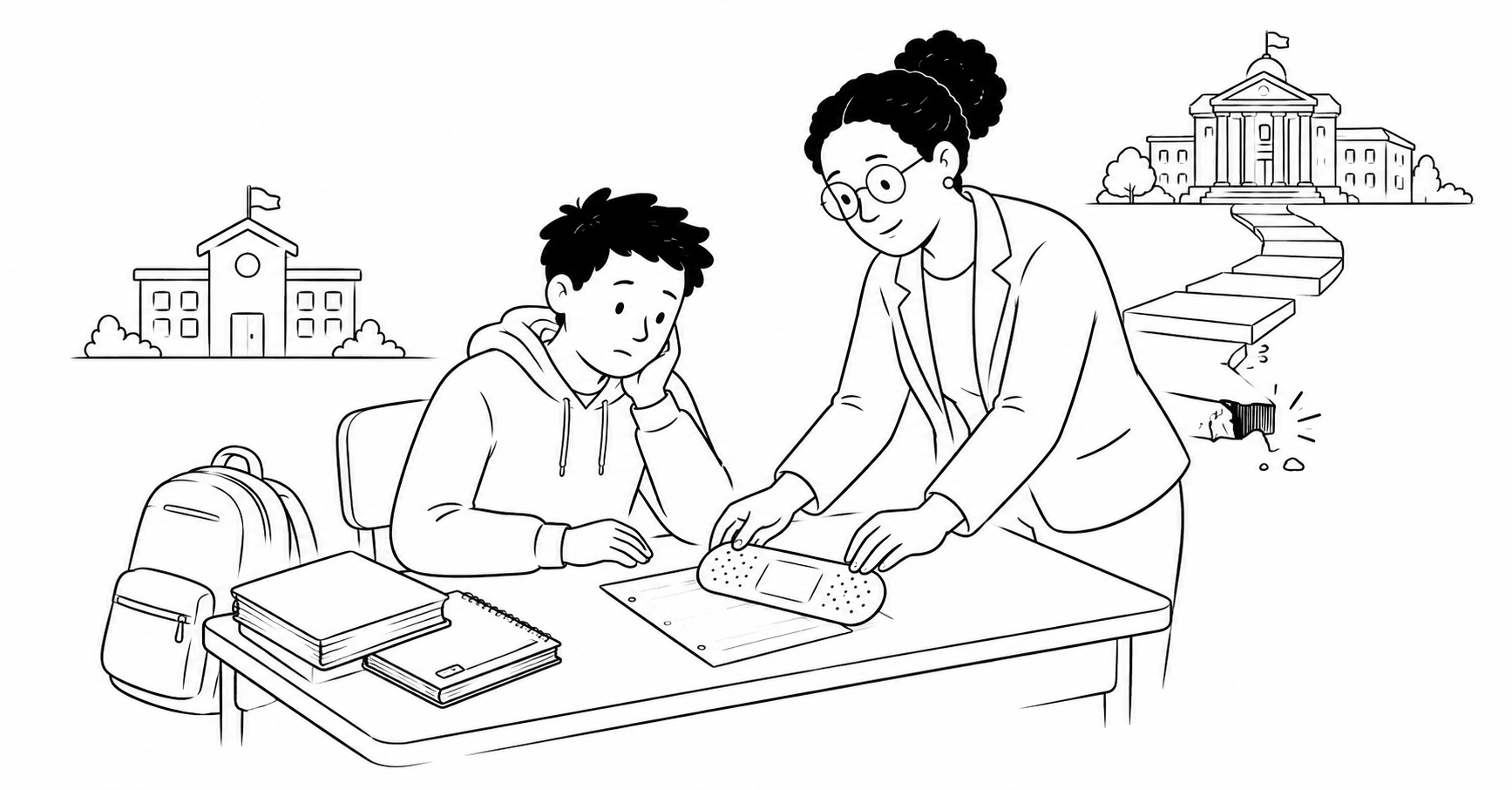
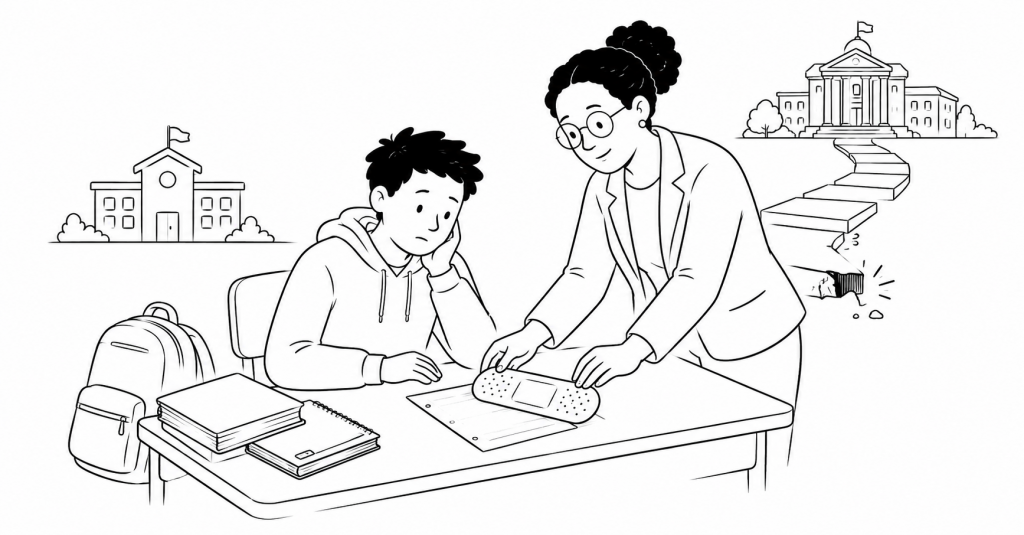
The more accurate description is that one of the most prestigious public universities in the United States has decided the solution to students arriving underprepared for college-level academic work is to delay the moment when college-level standards are applied to them. Those are meaningfully different things, and the distinction matters.
The mental health framing is doing significant work here. It positions the problem as emotional — students are anxious, overwhelmed, struggling to cope — and the solution as therapeutic. Remove the graded pressure in the first semester and students will have the space to acclimate before the real evaluation begins. What this framing sidesteps is the underlying question: why are students arriving at a flagship research university unable to handle the normal academic demands of that environment? That question points upstream — to a K-12 pipeline that has, over the past decade, systematically reduced the signals students receive about their actual academic performance. Grade inflation is widespread. Standardized testing has been deprioritized at most colleges, including Michigan. The feedback mechanisms that would have told students, teachers, and families earlier where preparation gaps existed have been progressively softened. Michigan’s policy is the downstream consequence of decisions made long before students arrived on campus.
There is a version of first-semester grade covering that has a compelling intellectual rationale. MIT and Caltech both use pass/fail structures for incoming students. The difference is context. At those institutions, the policy exists to encourage students who are demonstrably capable of college-level work to take intellectual risks without the fear that one difficult course will damage their GPA. The pressure being relieved is performance anxiety in already-prepared students. Michigan’s announcement frames the problem differently: students need more time to get used to “the demands of college.” That is not intellectual risk-taking. That is a readiness gap.
The conflation of these two things — protecting prepared students from GPA anxiety versus shielding underprepared students from academic standards — is where the policy gets blurry. A student from MIT managing imposter syndrome in a pass/fail semester is a different situation than a student arriving at Michigan without the preparation to perform in a graded environment. Treating both with the same intervention assumes the problems are the same. They are not.
There is also a downstream consequence that the mental health framing makes difficult to discuss: what happens in the second semester. The preparation gap does not close because graded feedback was withheld for four months. Students who arrived underprepared will arrive at their first graded semester having had less diagnostic information about where they stand, not more. The reckoning is not eliminated. It is deferred — with less runway to address it.
None of this is an argument against taking student mental health seriously. Universities have a genuine obligation to provide counseling resources, academic support, and environments that do not crush students who are struggling. But mental health support and academic standards are not in opposition, and pretending they are produces policies that address neither problem well. A student who is anxious because they are not prepared for the work in front of them does not need the work delayed. They need the preparation they should have received earlier — and honest feedback about where they actually stand.
Michigan’s policy is an institutional accommodation for a pipeline failure that universities helped create and are now absorbing. Calling it mental health policy makes it easier to announce. It does not make it the right diagnosis.