Nigeria Grew 4.1 Percent. The Floods Killed Hundreds. The GDP Doesn’t Count the Same Things.
Macroeconomic recovery and climate catastrophe are not mutually exclusive — they coexist regularly in countries where growth is concentrated in one sector while the majority population absorbs the cost of a different reality entirely.
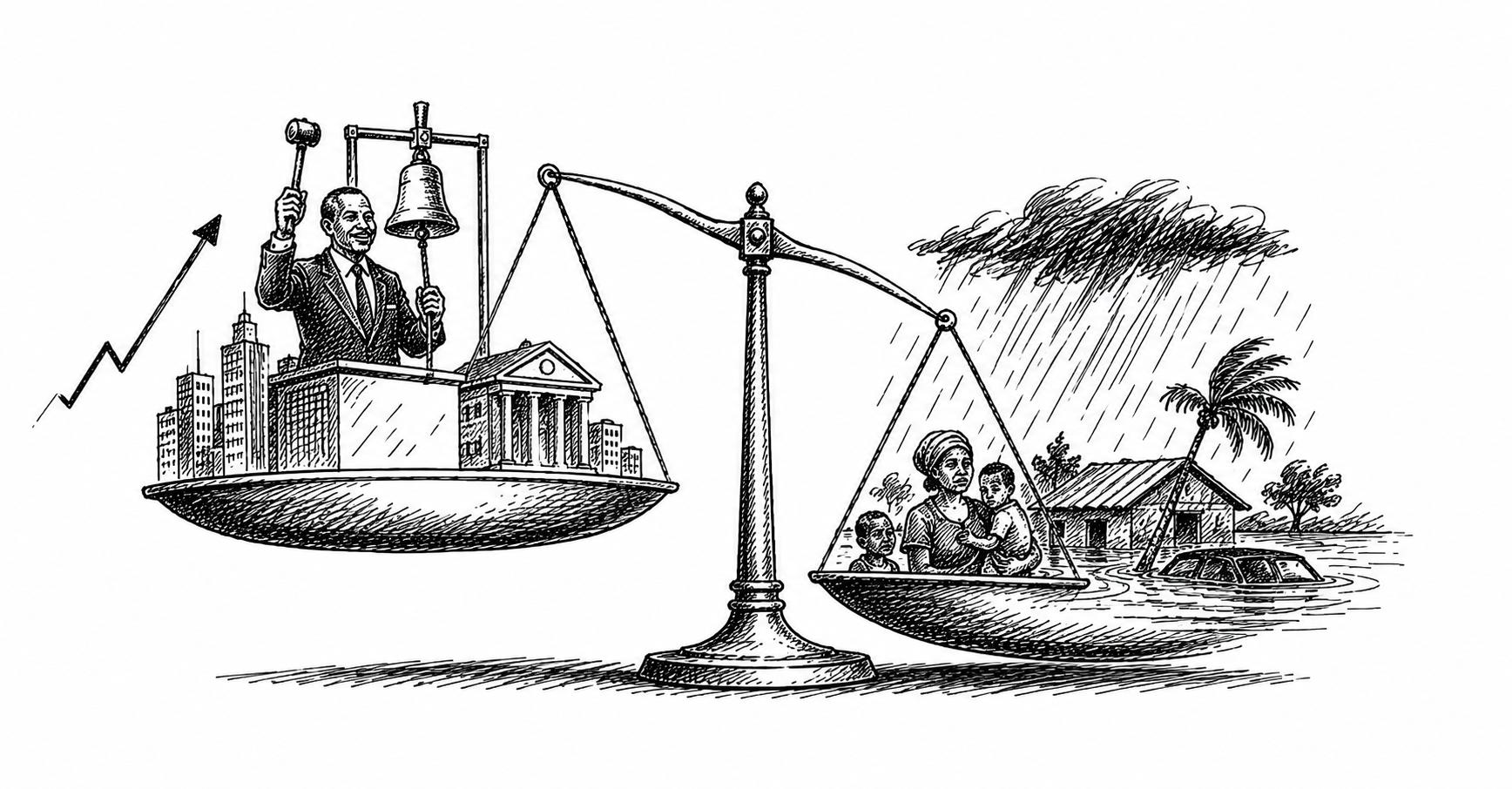
Nigeria is projected to grow at 4.1% in 2026, according to the African Development Bank and the International Monetary Fund’s July economic update. The number reflects improved macroeconomic stability, favorable oil export terms, and fiscal reforms advanced by the Tinubu administration. Finance Minister Taiwo Oyedele traveled to London this month to open trading at the London Stock Exchange alongside African heads of government — a signal, in the official frame, of Nigeria’s growing international economic credibility.
In the same period, catastrophic floods killed hundreds of people in Nigeria, Ghana, and Côte d’Ivoire. The floods were not an anomaly. They are a recurring pattern, intensifying in frequency and severity with each passing year, tearing through communities that have no insurance, no emergency savings, no government recovery pathway designed for their scale of loss.
Both of these things — the 4.1% and the floods — are true at the same time. The way they are covered separately, as if they describe different countries, is the problem.
WHAT GDP GROWTH MEASURES
Gross domestic product measures the total output of a formal economy. In Nigeria’s case, that output is heavily concentrated in oil — the sector whose favorable terms are driving the 2026 growth projection. It also captures formal sector services, manufacturing, and trade. What it does not measure: the cost of destroyed housing when floods displace thousands of families. The lost agricultural production when flood waters reach farmland outside cities. The wages not earned in the days and weeks after a flood when workers can’t get to jobs because roads are submerged or homes need to be rebuilt. The long-run compounding effect on children’s education when school calendars are disrupted by recurring displacement.
These costs are real. They are paid by real people, in real time. They do not appear in the growth number.
THE TWO NIGERIAS
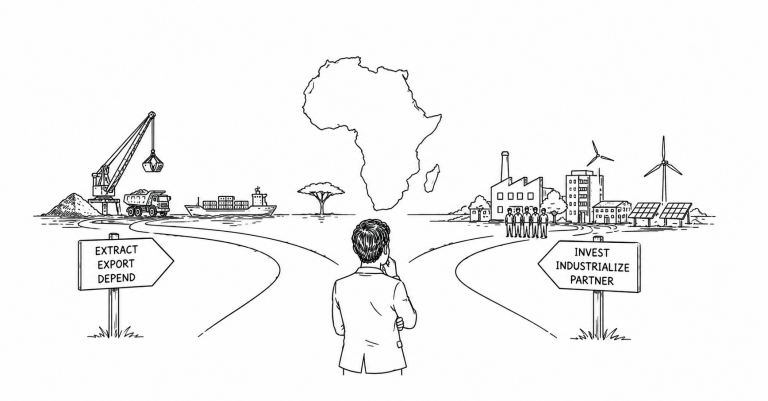
Nigeria’s economy has always operated with a significant gap between the sectors that drive aggregate output and the population that depends on conditions those sectors don’t measure. Oil revenues have not historically translated into broad-based wage growth or social service investment at the level the population requires. The IMF-backed fiscal reforms of the Tinubu era — fuel subsidy removal, currency unification, revenue mobilization — are sound by macroeconomic standards and have produced real costs for low-income households whose purchasing power dropped sharply when the subsidy was removed.
The floods add a climate layer to this picture. Nigeria is one of the countries most exposed to the compounding effects of climate change — coastal flooding, desertification in the north, and the intensified rainfall events that cause the seasonal floods killing people now. These events hit hardest in communities that are already least buffered by the formal economy. A family in a rural delta community that loses its home to flooding and has no insurance and no savings is absorbing a cost that the 4.1% growth figure does not see.
WHAT FINANCE MINISTERS ARE FOR
Minister Oyedele ringing the bell at the London Stock Exchange is not a cynical act. Nigeria’s ability to attract investment, strengthen its financial reputation, and deepen capital market access matters for long-run development. The investment story and the flood story are not in opposition.
They are, however, being told to entirely different audiences in entirely different registers. The investment story reaches international capital markets, policy analysts, and business journalists. The flood story reaches local news, humanitarian organizations, and the communities rebuilding. The gap between those audiences is itself a data point about whose version of Nigeria’s 2026 gets to constitute the official account.
Growth is not the same as development. A GDP number is not a description of a country. Nigeria in July 2026 is a country where the finance minister is in London and the floods are ongoing. That sentence contains more information about what is actually happening than either headline does alone.
— Social Storytellers Collective covers the gap between the economic number and the life inside it.