Fine on paper
29,000 new jobs, a $75 raise for retirees, and a public fight over who sets your price.
Good morning, and happy Friday. This week the official numbers kept saying “fine.” Unemployment held at 4.2%, retail sales beat expectations and Social Security checks are going up. Look closer and the jobs aren’t opening, the gas tank ate the spending and the raise doesn’t cover the receipt.
The thread running through 25 stories from October 10–16 is simple. The averages look steady, but the people inside them are absorbing more of the cost, at the gas pump, in the job search and at the checkout screen. Here’s what changed, and why it matters going into next week.
The week in numbers
- 29,000: Jobs added in September, while unemployment held at 4.2%
- Nearly 2 million: Americans out of work for six months or longer
- 1,000: Jobs Netflix is cutting, about 6% of its workforce
- 3,000: Corporate jobs Kroger plans to eliminate, roughly 37% of its office staff
- 6.4%: Jump in gas station sales in September. Without gas, retail sales rose just 0.2%
- $75: Monthly increase for the average Social Security recipient in 2027
- 44% to 36%: Democrats’ lead on the House ballot in Pew’s latest survey
- $4,400: Median one-bedroom rent in San Francisco, up 25% in a year
WORK: Holding on, not hiring

The U.S. added just 29,000 jobs in September while initial jobless claims fell to 197,000. Both numbers are true at once: employers are keeping the workers they have and showing little appetite for new ones. For people already out, getting back in is the hard part. Nearly 2 million Americans have been unemployed for six months or longer, and there was roughly one new job for every 244 unemployed workers.
The cuts that are happening are landing in offices:
- Netflix confirmed about 1,000 job cuts, 6% of its workforce and its largest round since 2022, mostly across product, technology, legal and HR. The final number came in bigger than first reported.
- Kroger plans to eliminate about 3,000 corporate positions over three years, roughly 37% of its corporate workforce, as automation reaches the office.
- Productivity rose 2.2% from a year earlier while real hourly compensation slipped 0.1%, the latest installment of The Cost of Work found.
Zoom out: Companies are getting more done with fewer people. Workers are delivering that efficiency without seeing much of it in their paychecks.
MONEY: The gas tank ate the raise
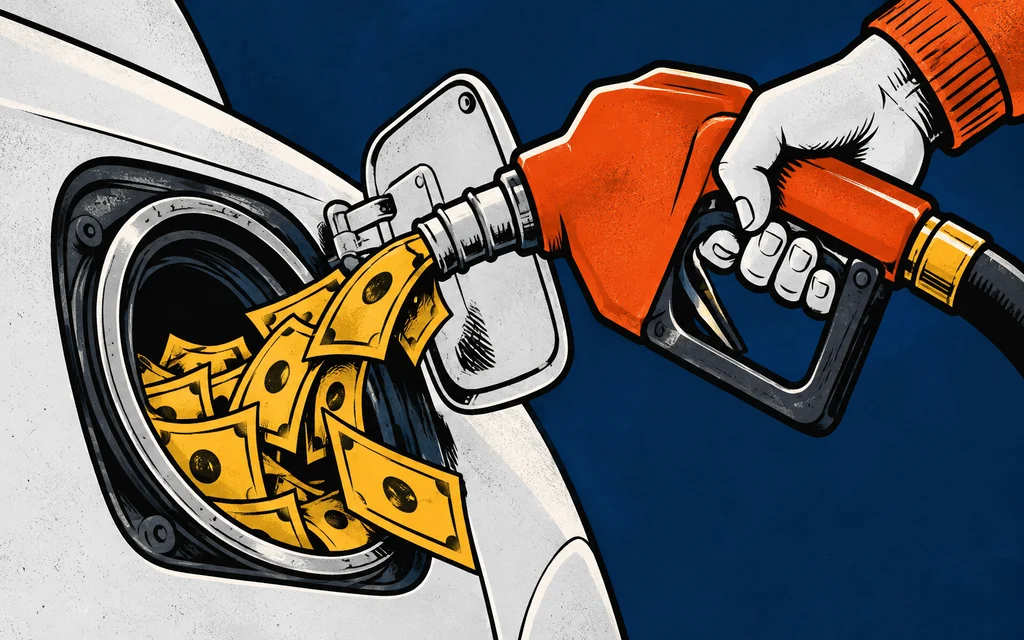
Retail sales rose 0.8% in September, well above expectations. But gas station sales jumped 6.4%, and without them, spending rose just 0.2%. Americans aren’t buying more. They’re paying more to keep the same routine.
The relief is modest. Social Security checks will rise 3.6% in 2027, about $75 a month for the average recipient, while consumer prices were 3.7% higher in September than a year earlier. And one in four financed new-car buyers now signs up for seven years or more of payments, with repossession becoming the end point of a much longer affordability squeeze.
Why it matters: When spending growth is mostly higher prices, the economy can look strong while households feel stretched.
POWER: Three weeks out
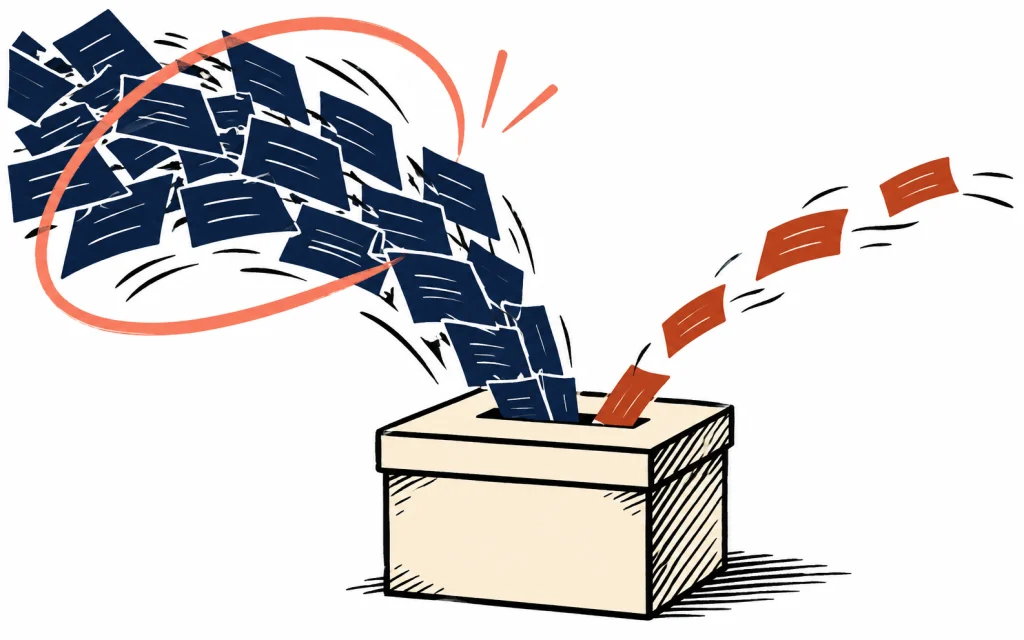
With the midterms on November 3, Democrats lead the House ballot 44% to 36% in Pew’s latest survey. The bigger warning for Republicans is the enthusiasm gap underneath it, with Trump’s approval at 30% and economic frustration the top issue.
The courts are setting the terms, too. A federal judge ruled that the Justice Department’s plan to collect state voter rolls and check them against an immigration database was unlawful, less than a month before Election Day. Another judge barred the White House from excluding CNN, MS NOW and Politico over their coverage while that case continues.
The big picture: Who gets to vote, and who gets to cover the people in power, are being decided in court in the final stretch of the campaign.
TECH: Who decides what you see and pay
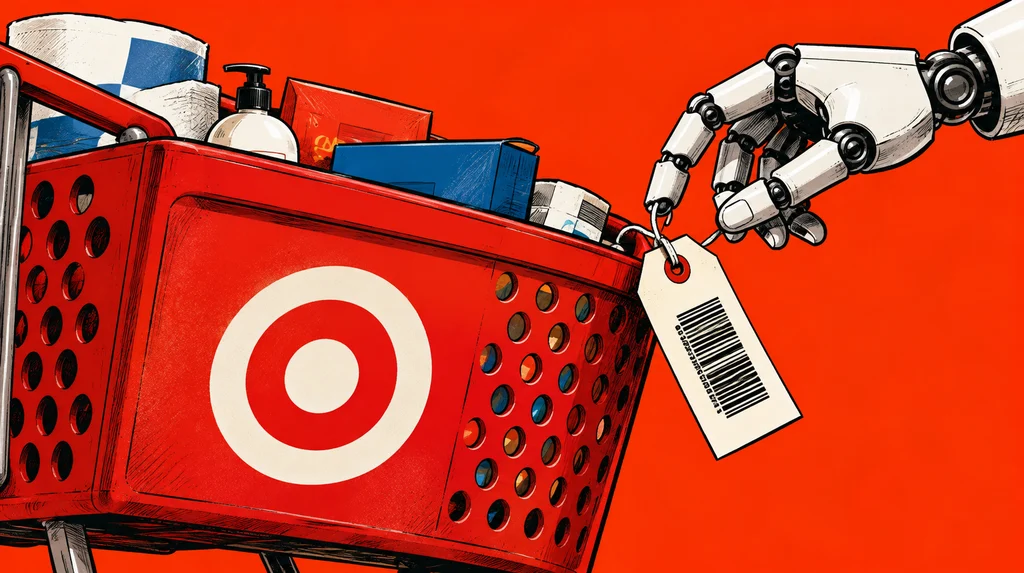
Companies are rushing to explain what their algorithms don’t do.
- Target says it doesn’t use your identity, location, time of day or demand spikes to raise prices, joining Walmart and McDonald’s in drawing a public line around AI pricing.
- Facebook launched Your Algorithm, which lets users describe in plain language what they want to see. Meta still decides what actually reaches them.
- Southwest now lets travelers shop for flights inside ChatGPT, though it hasn’t said whether you can buy the ticket without leaving the chat.
Looking ahead: AI is moving closer to the moment you decide what to buy. Expect more companies to publish their own rules before regulators write them.
CULTURE: Old rules, new prices

Gen Z was supposed to rewrite gender. Instead, some young men and women are reaching back for the old rules. In an Ipsos survey across 29 countries, 31% of Gen Z men agreed that a wife should always obey her husband, compared with 13% of baby boomer men.
Elsewhere, the cost of showing up is the story. A Houston sew-in review and a separate $2,100 appointment reopened the debate over beauty pricing and transparency, and the friendship recession is turning weekends into something adults have to schedule and budget for.
Why it matters: When everyday life feels uncertain and expensive, people go looking for certainty, and for proof that what they’re paying for is worth it.
Tour de headlines
Same price, slower box. Amazon will pay $8.25 million to settle a D.C. lawsuit alleging that about 69,000 Prime members in two predominantly Black ZIP codes paid full price for slower delivery.
Beyond the prescription. CVS will pay $315 million to settle a federal case alleging it filled unlawful opioid prescriptions while staffing policies made oversight harder. CVS admits no wrongdoing.
Robotaxis take on debt. Waymo closed a $5 billion loan, its first debt financing, to expand across the U.S. and abroad.
An emergency rent can’t fix. San Francisco declared a rent emergency as the median one-bedroom hit $4,400, up 25% in a year, with apartment vacancy near 2%.
What else we reported
- Pitt researchers paid college students about $5 a night to sleep seven hours. They slept about 19 more minutes on school nights, and their GPAs ticked up.
- A free grocery store inside a Georgia elementary school coincided with total absences falling 43%.
- Lincoln University students and alumni are seeking nearly $549 million over decades of unequal state funding for the historically Black land-grant school.
- Tyrese Haliburton has a reported $244 million contract and still shops secondhand.
SSC picks

Read: This week’s Your Next Move, What to Do Before Layoffs Reach Your Company. The cheapest time to prepare is while the paycheck is still arriving.
Follow: The Cost of Work, our series on what a job really costs the people doing it, now has its own home.
Sit with: Our Critic’s Desk on what Atlanta’s eviction crisis says about a fractured economy.
Join: Systems & Signals, a live conversation on what happens to the first rung of the career ladder when AI does the junior work. Thursday, October 29, 7–8 p.m. CT, in our LinkedIn group.
Your take
Should retailers be allowed to set prices based on who you are? Hit reply and tell us: never, only for discounts and loyalty deals, or yes as long as they’re upfront about it.
Friday trivia
University of Pittsburgh researchers paid college students to get at least seven hours of sleep. Roughly how much did each good night earn them?
Answer at the bottom.
That’s the week. Thanks for reading, and if a friend would get something out of this, forward it their way. They can subscribe to the End of Day Closing Note for our reporting six nights a week.
— SSC
Trivia answer: About $5 a night.