Banks Are Building the Infrastructure to Cut Their Workforces. The Timing Is Not a Coincidence.
Bloomberg reported on June 7, 2026, that major banks in the United Kingdom and United States are building the infrastructure for significant workforce reductions as AI tools reach deployment scale across customer service, compliance, transaction monitoring, and back-office operations. The story opens with Andre Bonnick, a student at Warwick University, spending hours rehearsing interview answers — not for a human hiring manager, but for the AI-powered screening software now running initial hiring rounds at major financial firms.
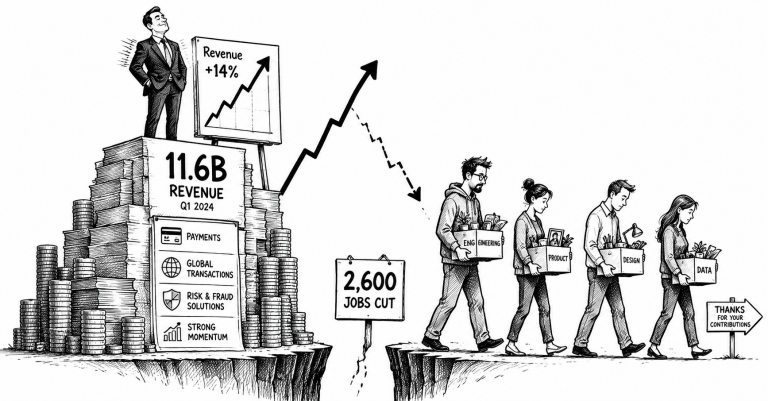
Layoff announcements draw headlines and produce a defined moment of accountability. The infrastructure decisions that make them possible are quieter and arrive earlier: AI tools rolled out for trade monitoring, compliance review, and customer service; junior analyst classes cut by as much as two-thirds; screening processes automated before the workers behind them are formally replaced. The gap between when those decisions are made and when they become announcements is where accountability disappears.
Bank executives are not obscuring what is coming. JPMorgan Chase CEO Jamie Dimon said the technology will eliminate jobs. Citigroup CEO Jane Fraser said some roles will no longer be required. Goldman Sachs President John Waldron described traditional operations as facing significant restructuring. None named timelines, affected populations, or what displaced workers should expect.
Debasish Patnaik, senior partner at McKinsey’s QuantumBlack AI consulting arm, told Bloomberg that banks are cutting junior analyst classes by as much as two-thirds while sourcing roughly 62% of their AI talent from those same cohorts. Displacement and recruitment are happening simultaneously in the same labor pool. The question is not whether banking sheds workers but which workers get converted into the AI economy and which do not.
Tom Lakin, global head of future of work at recruitment firm Robert Walters, told Bloomberg that banks are unlikely to use AI in hiring screens because the legal risks are significant. That caution does not extend to the back-office and operations roles where deployment is already under way. Bloomberg also noted the discrimination exposure if layoffs fall disproportionately on female administrative staff or workers from specific demographic groups — an underpriced risk, one analyst said.
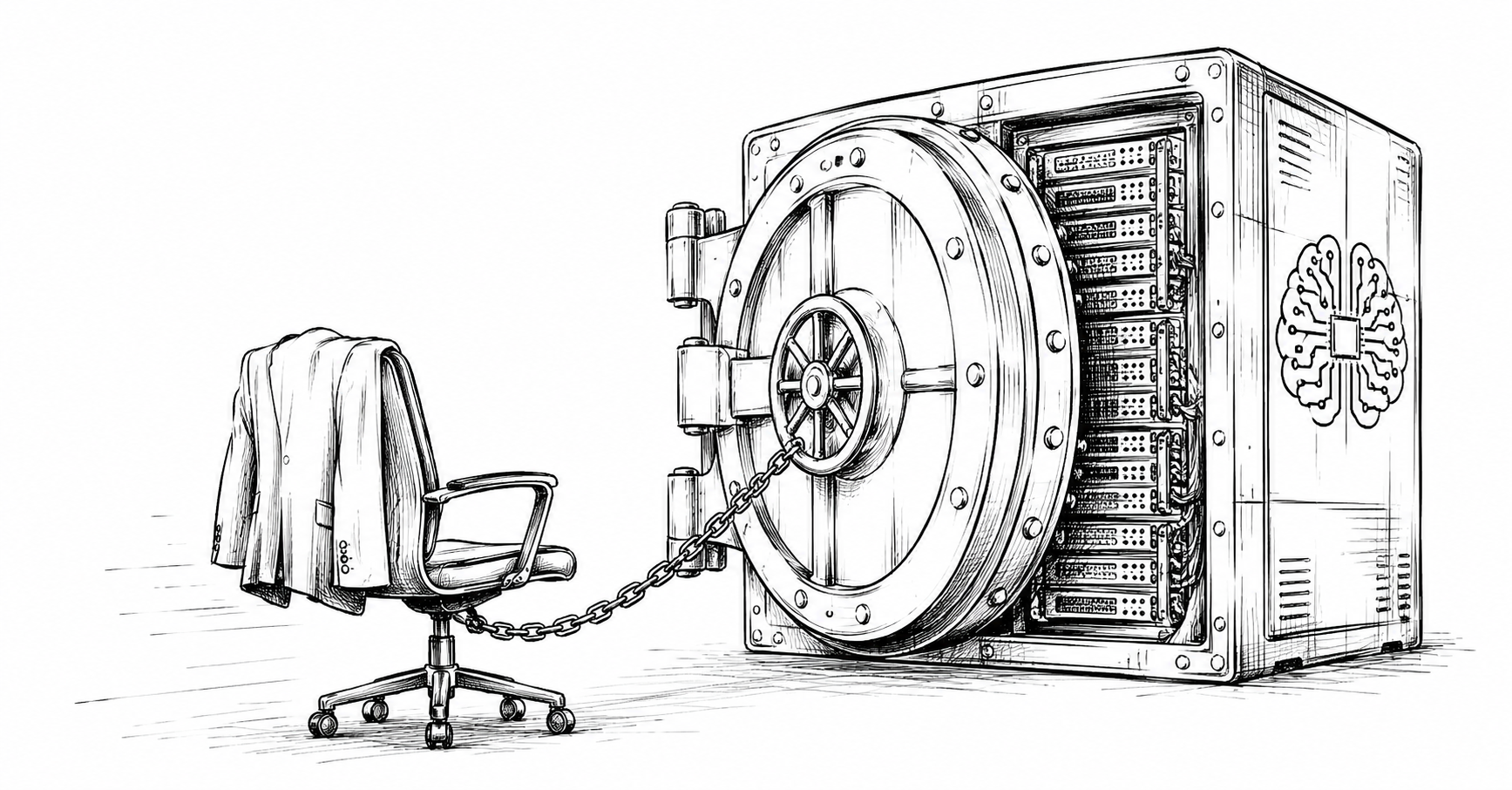
Power moved from bank workforces to the capital and technology decisions of executives who are building the infrastructure for displacement before the displacement is named. By the time the layoff notices arrive, the structural decisions will already be complete.