Gen Z Built TikTok. Now They’re Mourning It.
A generation discovered creative expression on a platform they did not control, invested emotional and cultural labor in it, and is now experiencing the dissolution of the infrastructure they built as the platform’s ownership and operational focus shifts.
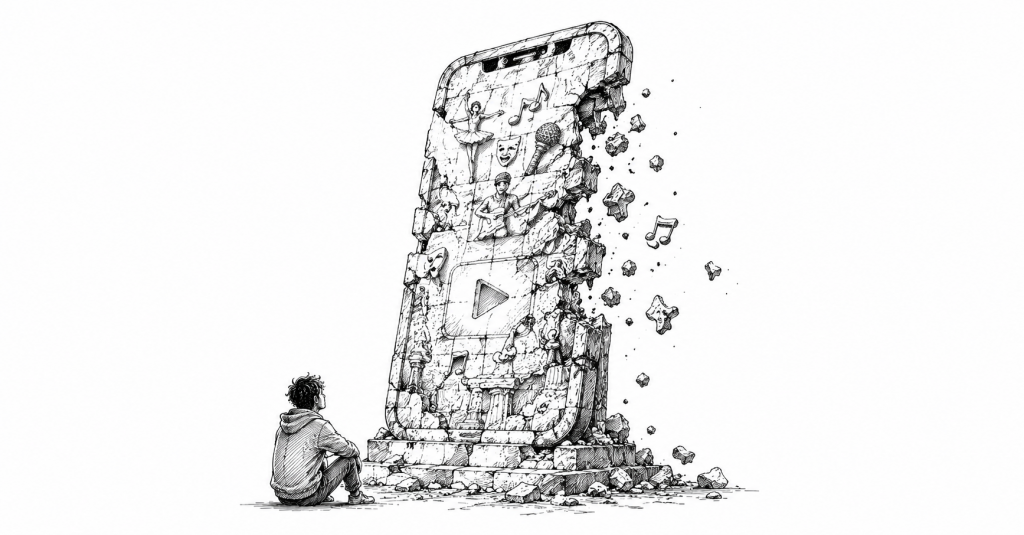
TikTok’s cultural significance for Gen Z is not accidental. The platform’s algorithm, format, and accessibility created space for creative expression that other social platforms didn’t facilitate at the same scale. Young creators—disproportionately Black creators, queer creators, creators from communities historically shut out of mainstream cultural visibility—built the platform’s cultural infrastructure. Dance trends, comedy formats, editorial styles, sound design, niche communities: these were created by Gen Z users, and they made TikTok culturally valuable.
That labor—the creative, emotional, cultural work of building a platform’s worth—was unpaid. TikTok’s creator fund provided minimal compensation to most creators. The real value of that work flowed to TikTok’s shareholders, advertisers, and platforms that repackaged creator content for their own use. Gen Z created value. TikTok captured it.
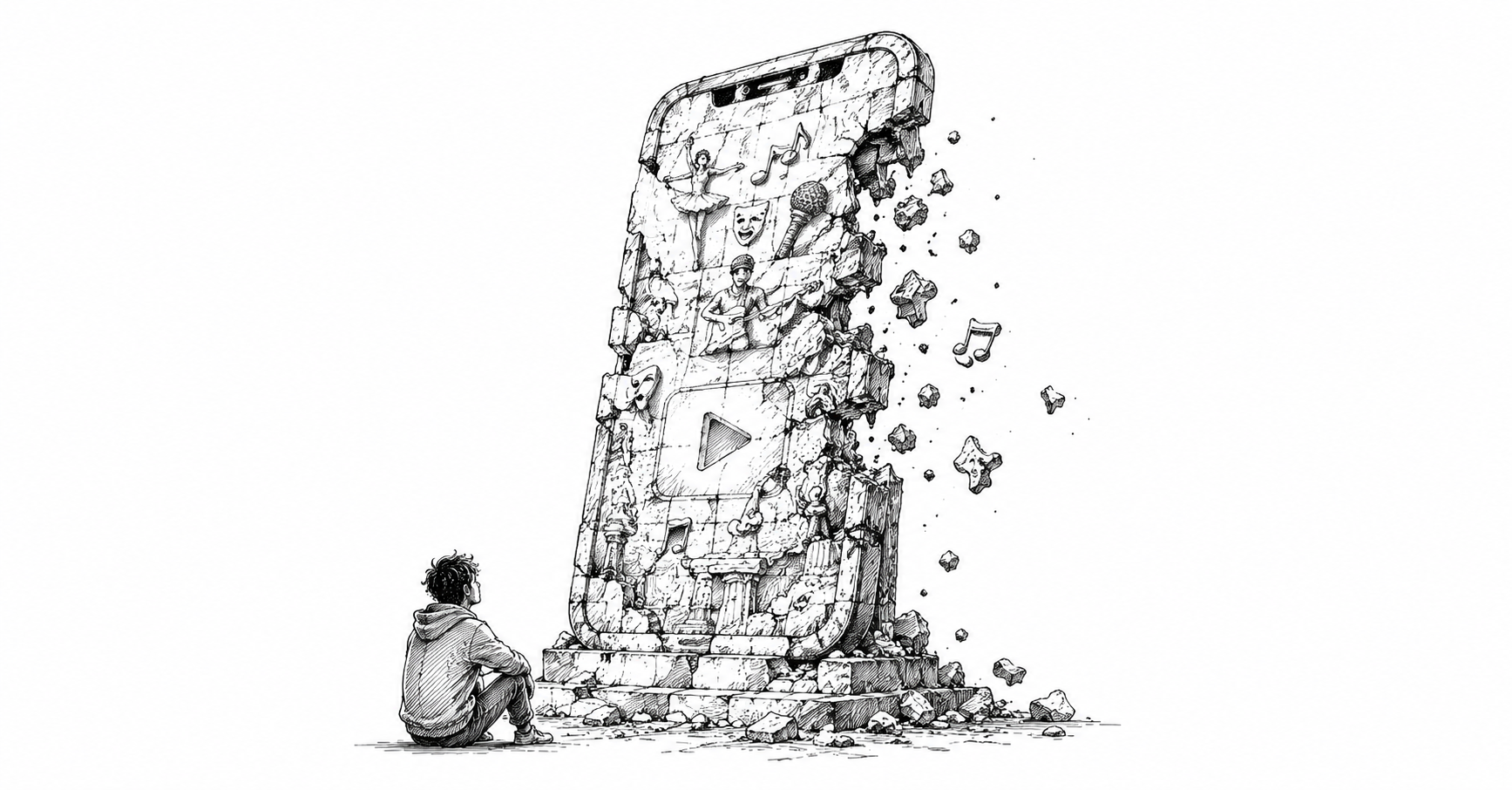
What’s happening now is the visible deterioration of that cultural infrastructure. Geopolitical pressure on TikTok’s ownership, advertiser concerns, policy debates over data privacy and algorithmic transparency—these pressures are reshaping how TikTok operates. The platform that once centered creator expression is increasingly subordinating that expression to corporate interests and regulatory concerns. The algorithm is changing. Creator visibility is declining. The cultural space that Gen Z built is being reconstructed for different purposes.
Gen Z’s mourning isn’t sentimental nostalgia. It’s recognition that the infrastructure they created and invested in is being dismantled. The platform’s operational shift isn’t neutral. It’s a reorientation away from the cultural priorities that made TikTok culturally significant in the first place. Gen Z built something on TikTok. Now they’re watching that something be devalued and reconstructed by corporate and political forces they don’t control.
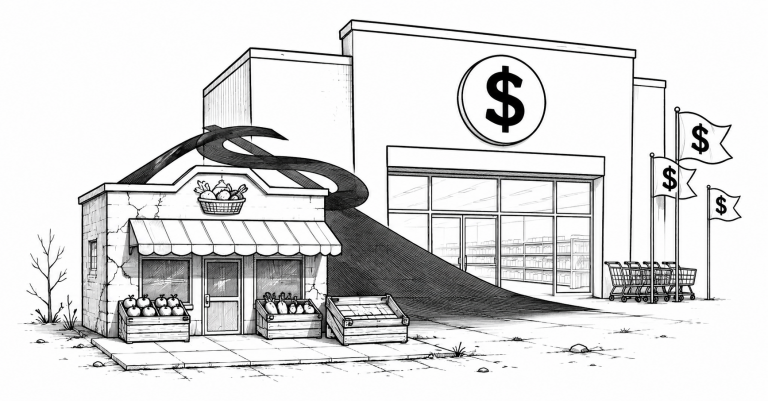
The structural mechanism here is ownership and control. Creators did not own TikTok. They owned their individual accounts and their creative output, but the platform itself—the algorithm, the distribution system, the visibility mechanisms that made their work discoverable—belonged to TikTok. That ownership meant TikTok could reshape the platform’s purpose without consulting the creators who made it valuable. When the platform’s incentives shifted from cultural expression to other priorities, creators had no mechanism to defend what they had built.
That imbalance is what the mourning expresses. Gen Z built a cultural infrastructure. They invested thousands of hours, emotional energy, and creative labor into making TikTok significant. They created formats, sounds, aesthetics, and communities. But because they did not own the platform, they could not protect it. When ownership priorities changed, their infrastructure was subordinated to those priorities.
The pattern extends beyond TikTok. Creators across platforms—YouTube, Instagram, Twitch—have experienced similar dynamics. They build audiences and infrastructure. Platforms change algorithms, reduce visibility, or shift priorities. Creators lose the audience they invested in building because the platform’s incentives changed. The creators themselves had no voice in those changes.
What Gen Z is recognizing through their mourning is that cultural labor performed on platforms you don’t own is inherently precarious. You can build something. But if you don’t own the infrastructure, you cannot protect it. And when the platform’s incentives shift, what you built can be dismantled or devalued without your consent. That’s not a social media-specific phenomenon. It’s a feature of how platform economies work. But for Gen Z, it’s a particularly visible lesson in what ownership means and what happens when you build on someone else’s property.