Weight-Loss Drugs Are Splitting Health Care Into Coverage and Cash
As employers retreat from GLP-1 coverage, telehealth platforms are becoming the backup market.
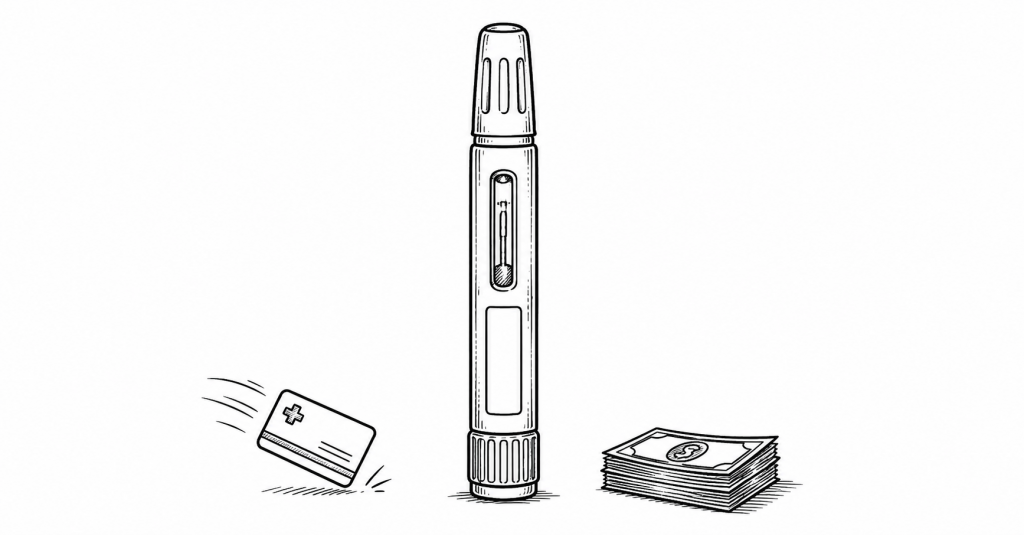
Reuters reporter Amina Niasse reported on June 25 that Hims & Hers Health may benefit as employers begin dropping coverage of weight-loss drugs such as Novo Nordisk’s Wegovy and Eli Lilly’s Zepbound and Foundayo in 2027. The shift is being driven by cost pressure inside employer health plans. Reuters reported that about 43% of employers covered GLP-1 drugs for weight loss in 2025, but 10% of employers that currently cover them plan to drop coverage in 2027.
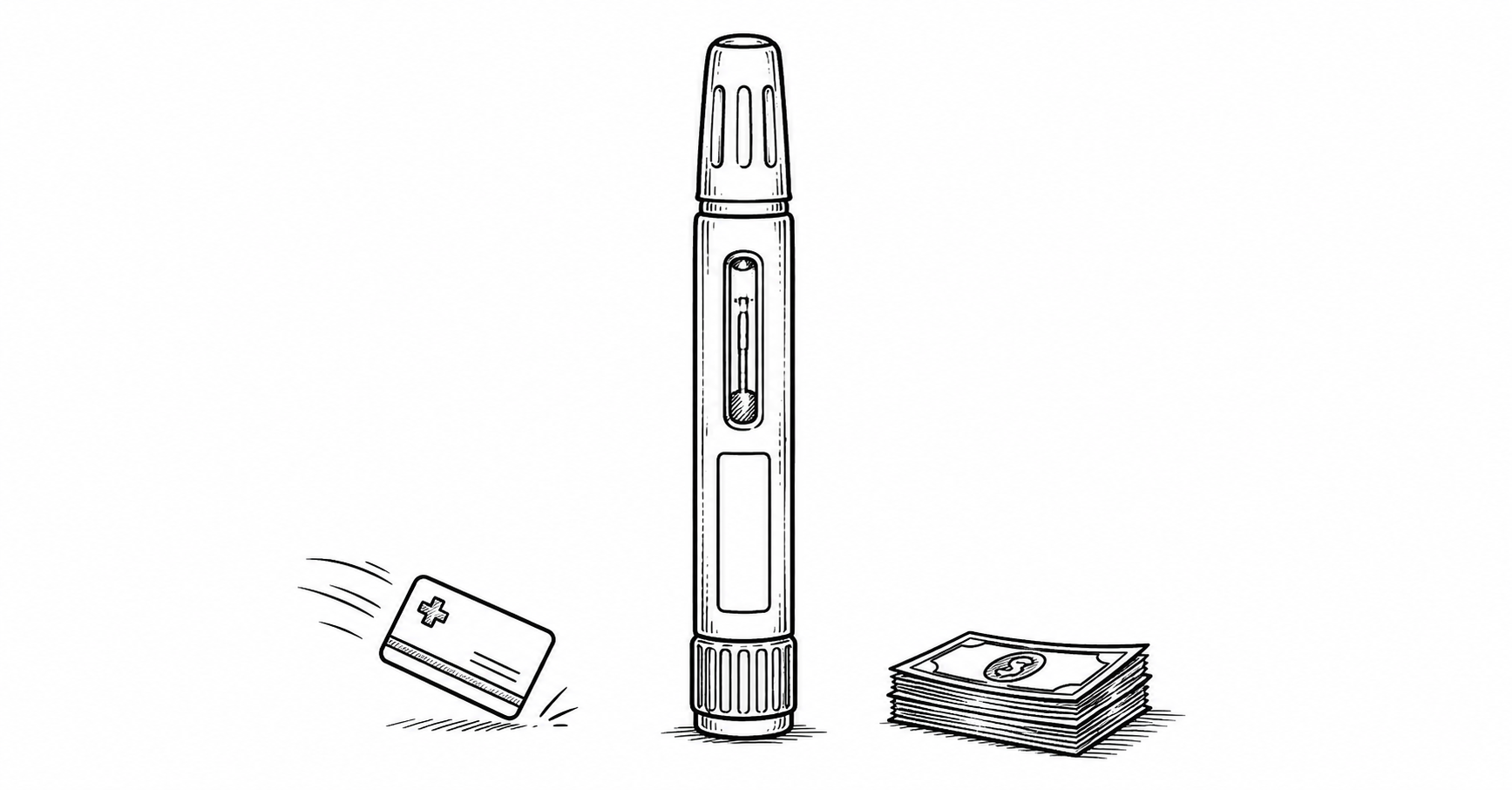
Coverage decisions decide whether a medical product functions like treatment or like a consumer subscription. Employer-based insurance covers more than 150 million Americans, according to KFF data cited by Reuters. When employers stop covering a drug category, demand does not disappear. It moves into cash-pay channels, manufacturer programs, and telehealth platforms that bundle consultations, prescriptions, and recurring payments into a consumer-facing product.
That is where Hims is positioned. Reuters reported that analysts estimate the company’s revenue at $2.89 billion this year and $3.45 billion in 2027. About one-third of its revenue already comes from weight loss, and the company had 2.6 million subscribers in the first quarter, up 9% from a year earlier. Its GLP-1 program costs $39 for the first month and $149 for following months, excluding the medication itself. The subscription, not the prescription, becomes the business model.
Drugmakers are adapting to the same structure. Novo Nordisk and Eli Lilly offer cash-pay channels through NovoCare and LillyDirect, with Wegovy and Foundayo pills starting at $149 per month for cash-pay customers. In a separate Reuters interview published June 25, Jamey Millar, Novo’s U.S. executive vice president, said direct consumer purchases account for 30% of injectable GLP-1 weight-loss drug volume and about 90% of the Wegovy pill’s volume. That is a major break from the traditional prescription-drug model.
The power transfer is from collective coverage to individual purchasing. Employers and insurers are trying to control cost trends by narrowing coverage. Telehealth companies and drugmakers gain direct access to patients who still want the medication. Workers who once depended on a benefit decision must now evaluate monthly cash prices, subscription terms, manufacturer discounts, and whether they can stay on a drug long enough for it to work. Access becomes more available in one sense and more unequal in another.
The contradiction is that lower cash prices can expand the market while weakening the insurance argument. If a patient can buy a pill through a manufacturer site or telehealth platform, employers gain a reason to stop paying. If employers stop paying, patients with cash keep access and patients without it lose the medical pathway. The system shifts from pooled risk toward consumer sorting, where ability to pay shapes continuity of care.
The public program lane adds another pressure point. Novo expects demand to rise when the U.S. government begins a July pilot covering weight-loss-specific GLP-1 drugs for Medicare enrollees at $50 a month, according to Reuters. That program runs through 2027 and creates a new benchmark for what public access could look like. The same market will now contain employer cutbacks, Medicare experimentation, manufacturer discounts, and telehealth subscriptions at the same time.
The next phase of GLP-1 growth may look less like a pharmacy-benefit story and more like the subscription economy entering chronic care. The companies that win will not only make or prescribe the medication. They will own the payment relationship, the refill rhythm, the patient data, and the recurring habit. Weight-loss medicine is becoming a test of whether high-demand health care can be privatized through convenience before insurance systems decide how broadly it should be covered.