
Washington Wants a Referee for AI. The Industry Wants to Pick the Ref.

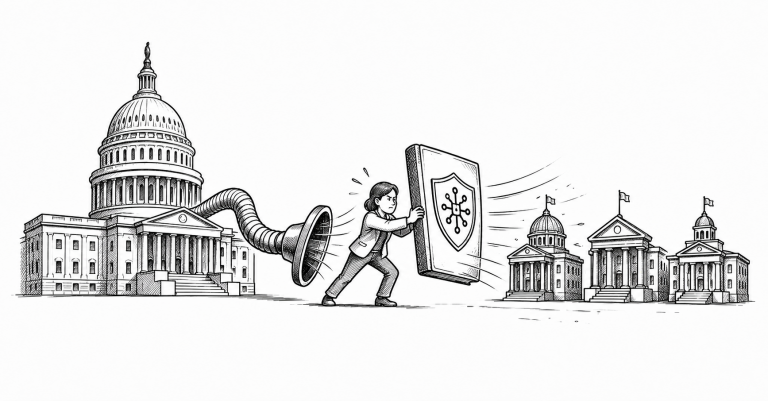
Bloomberg reported on July 17 that the Trump administration is reviewing a proposal, developed with input from Treasury Secretary Scott Bessent, to create an independent regulator for artificial intelligence modeled on FINRA, the industry-funded body that polices Wall Street brokerages under Securities and Exchange Commission oversight. The new agency would report to the SEC and screen advanced models for dangerous capabilities before release, and the plan is now under review by White House Chief of Staff Susie Wiles. It landed three days after Google DeepMind chief executive Demis Hassabis published a public framework calling for nearly the same thing, with one difference that matters: in his version, the AI labs fund the watchdog and help build it.
The FINRA template does specific work in both proposals. FINRA is a self-regulatory organization, funded by the firms it supervises and deriving its authority from the SEC, which effectively contracts out day-to-day oversight. Whoever writes the testing protocols and sets the eligibility thresholds for such a body decides which models reach American users, on what timeline, and which competitors carry the heaviest compliance costs. Industry funding buys the technical talent and computing power that a conventional federal agency could not match on government salaries. It also buys proximity to the rulebook.
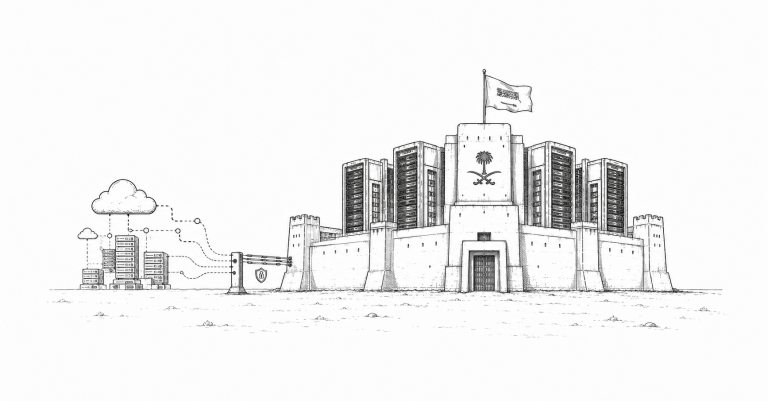
The two versions point in opposite directions. Hassabis proposes a public-private standards body with a majority-independent board, funded by the labs, running pre-release safety evaluations of up to 30 days that would begin as voluntary and harden into a requirement for any frontier model serving American users. The Bessent-linked plan runs the authority the other way, placing the reviewer inside a federal reporting chain. Both respond to the same complaint from Silicon Valley: recent government moves to slow model releases have been improvised, and companies would rather negotiate with a predictable gatekeeper than an unpredictable one. Predictability, however, is also a moat. A formal gate raises fixed costs that established labs can pay and smaller entrants cannot, while open-weight models released outside the United States never pass through the gate at all.
What decides the outcome is not whether a watchdog gets built but which template wins — and the labs offering to fund the referee will spend the coming months working to write its rulebook. If a body takes shape before year-end, expect the first real fight to be over thresholds, because the definition of a frontier model determines who pays for oversight, who waits for clearance, and who keeps shipping without either.