TikTok Will Pay Alabama at Least $100 Million — and Change How Teens Use the App
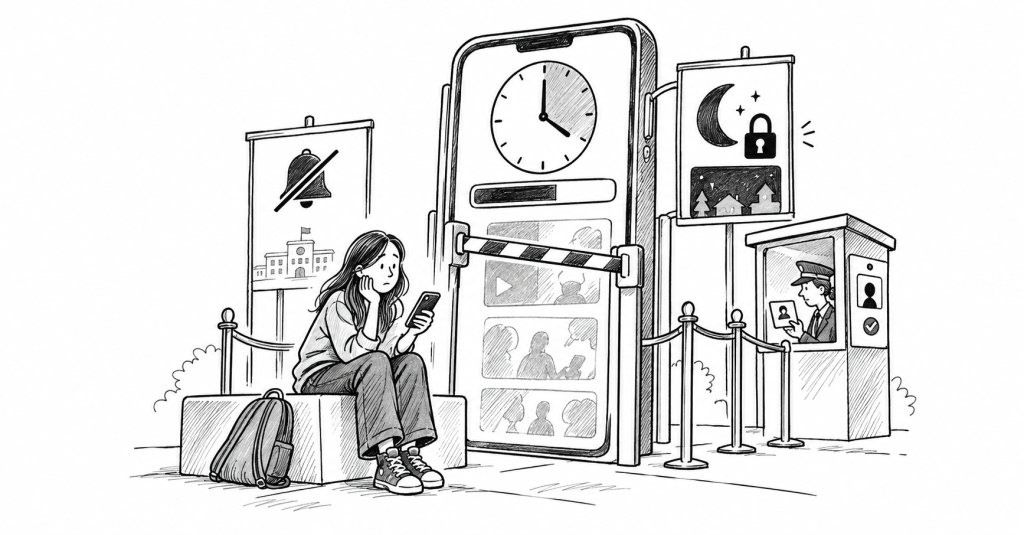
TikTok will pay Alabama at least $100 million and impose new restrictions on teen users under a settlement reached days before the company was scheduled to face a jury over allegations that it designed its platform to addict children and misled consumers about its safety, Reuters reported. The payout could reach $300 million if 40 other state attorneys general sign on to similar agreements within a set window.
The larger consequence may be what TikTok agreed to change.
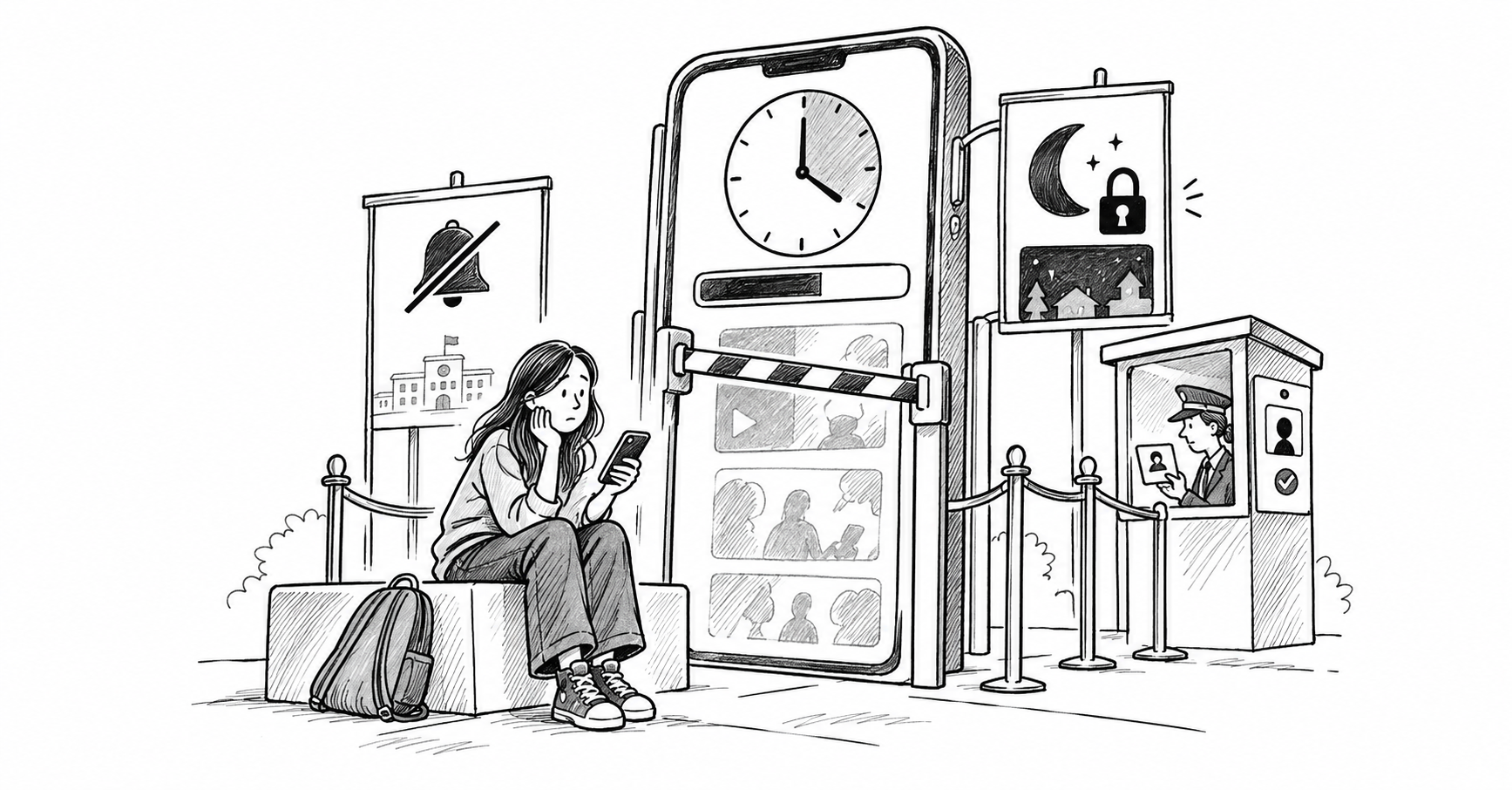
For teenagers in Alabama, the platform will impose a two-hour daily usage limit by default, lock teens out between midnight and 6 a.m., interrupt continuous scrolling every 15 minutes, silence notifications during school hours and strengthen age verification. Teens will also get access to a non-personalized feed, altering one of the core mechanics behind TikTok’s recommendation system, and beauty filters will be barred for minors.
From Warning Labels to Product Design
The settlement moves the debate over children and social media into a new phase.
For years, lawmakers, parents, researchers and technology companies have argued over whether platforms contribute to anxiety, depression and compulsive use among young people. Alabama’s case targeted something more specific: the design of the product itself.
The state alleged that TikTok’s recommendation algorithm and engagement features encouraged compulsive use among children while the company misrepresented how safe the platform was. TikTok admitted no wrongdoing and denies the state’s claims; a spokesperson said the agreement builds on the company’s existing efforts to protect teens.
That distinction matters because regulating content and regulating product design are very different approaches. Rather than dictating which videos can appear on TikTok, the Alabama agreement reaches into the mechanics that govern how long young people stay, how content is recommended to them and how the company confirms who is actually a child.
Alabama Was Supposed to Put TikTok on Trial
The timing is also significant. Jury selection had been set to begin Monday in Montgomery, in what would have been the first state trial over claims that TikTok harmed young users. A trial could have surfaced internal documents, product decisions and company testimony that rarely become public. The settlement forecloses that.
It is also TikTok’s first settlement with a state. At least 27 other states and Washington, D.C., have filed similar suits, and TikTok faces thousands more from families, school districts and municipalities. With the Alabama deal, the company has now settled every case selected for trial against it.
Alabama is not acting in isolation. Attorney General Steve Marshall’s office recently reached a settlement with Meta over claims that Instagram and Facebook used addictive features that harmed children, and the TikTok agreement is modeled on it. That makes Alabama less an isolated legal fight than a testing ground for a new model of social media regulation.
What Changed
Youth-safety rules are beginning to move inside the product.
A two-hour limit, overnight lockouts, mandatory breaks, age checks and alternative recommendation systems are not awareness campaigns. They change how the platform functions. And because TikTok’s payout rises if enough other attorneys general sign similar agreements, the settlement carries a built-in mechanism for the approach to spread.
The next stage of the fight over kids and social media may be less about whether technology companies acknowledge risks to children and more about whether governments can force them to redesign the systems that keep young users scrolling.
Sources: Reuters, AFP, Dexerto, ABC 33/40