Media Coverage Inequality in Election Years — Who Gets the Cameras
Election years reveal questions about whose political participation gets treated as newsworthy and whose participation gets treated as exceptional.
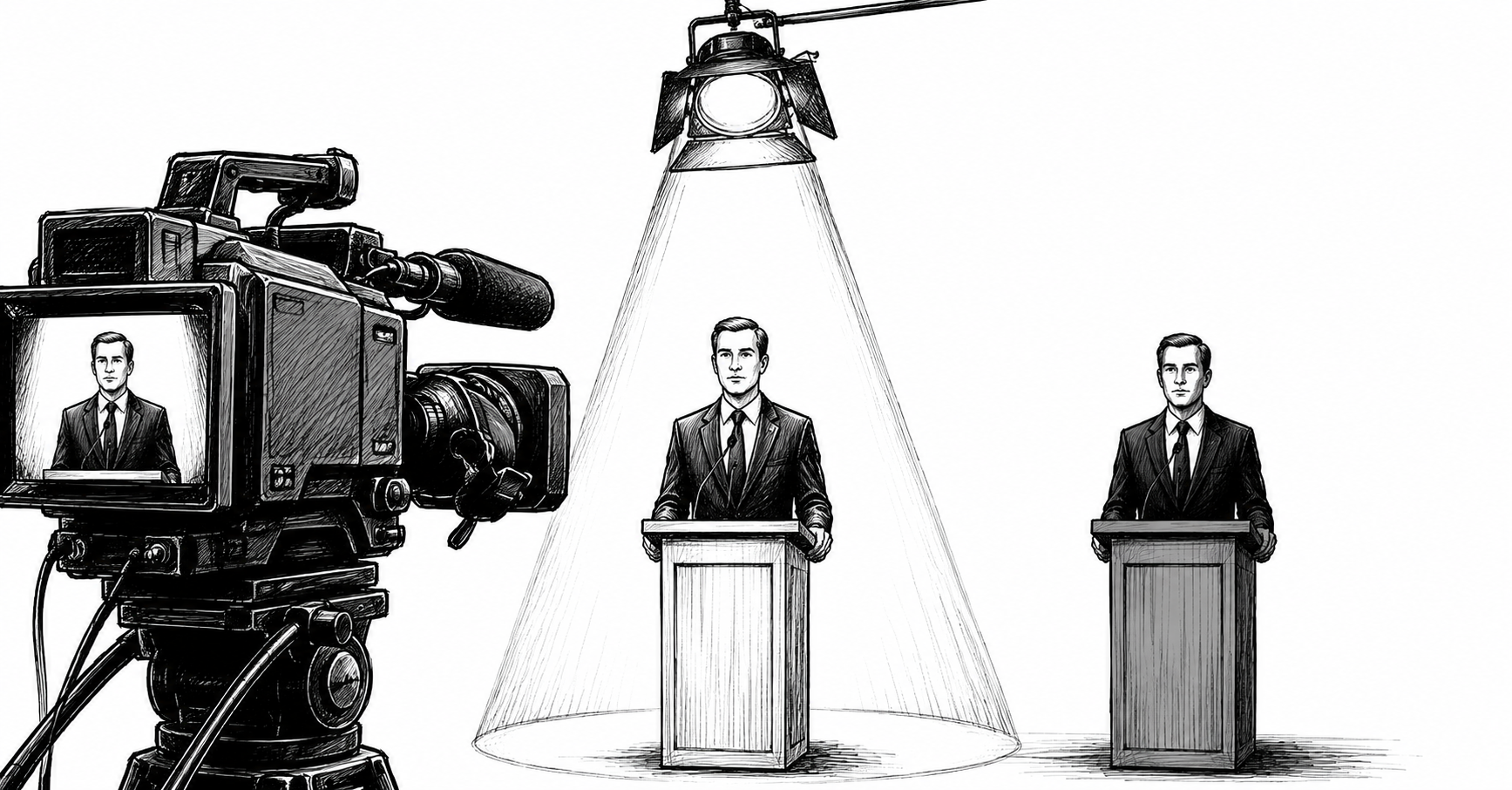
In 2024, local news outlets made editorial decisions about how much airtime and camera time different candidates would receive. That allocation was not random. Research into local broadcast coverage shows measurable disparities in who gets covered, how often, and under what framing—disparities that correlate closely with candidate demographics, funding sources, and the communities the stations serve. For SSC, this is a story about the mechanism underneath those disparities, not just the disparities themselves.
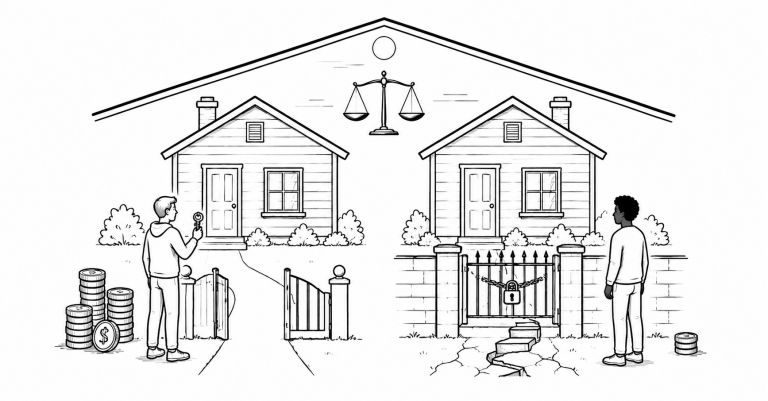
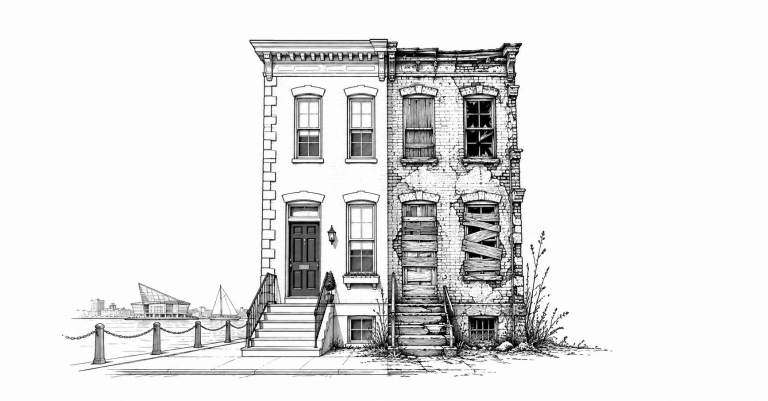
Media coverage operates as infrastructure. It decides whose campaign activities count as news and whose count as background. A candidate who receives regular local broadcast coverage builds visibility and legitimacy in ways a candidate receiving minimal coverage cannot match. The disparity in coverage translates into disparity in voter awareness, which translates into disparity in electoral competitiveness. The mechanism is simple: editorial gatekeeping becomes electoral gatekeeping.
A story about a leading candidate is more newsworthy than a story about a trailing candidate. A story about a candidate facing controversy generates more interest than a story about a candidate making routine campaign stops. A story about a candidate with resources to organize large events produces more compelling footage than a story about a candidate working precincts on foot. All of those editorial decisions are justifiable individually. Collectively, they produce a news environment where visibility, viability, and legitimacy flow unequally.
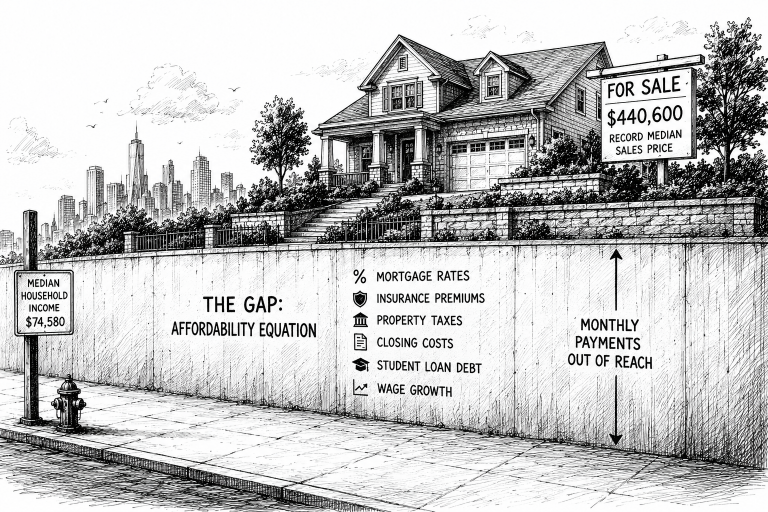
The question worth tracking is not whether bias exists—bias in newsroom decision-making operates the same way it operates everywhere else in institutions. The question is what happens when bias in coverage decisions gets systematized across an entire media market and then amplified by the way campaigns respond to being covered unequally. A candidate receiving heavy coverage can afford to shift strategy; a candidate receiving minimal coverage often cannot. The coverage gap becomes a resource gap, which becomes a viability gap.
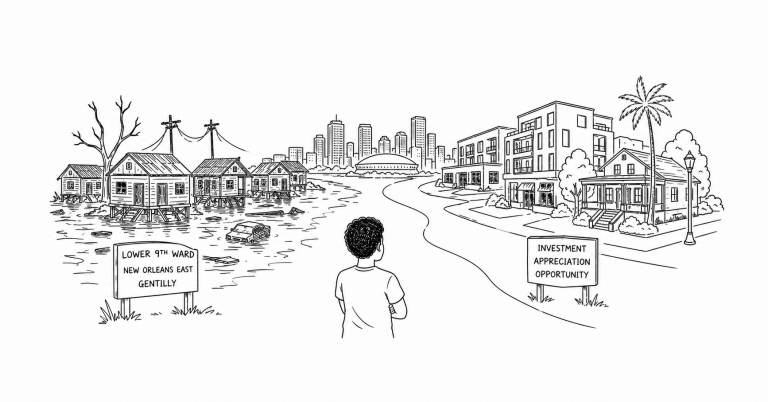
If local news coverage consistently directs visibility toward certain kinds of candidates and away from others, election outcomes reflect not just voter preference but the prior editorial infrastructure that shaped which candidates ever became visible enough for voters to prefer. When 2026 voters decide between candidates, some of those decisions are being made in a media environment that was already structured before the voting began.