The Creator Economy Has a Labor Problem—And Platforms Are Pretending It Doesn’t Exist
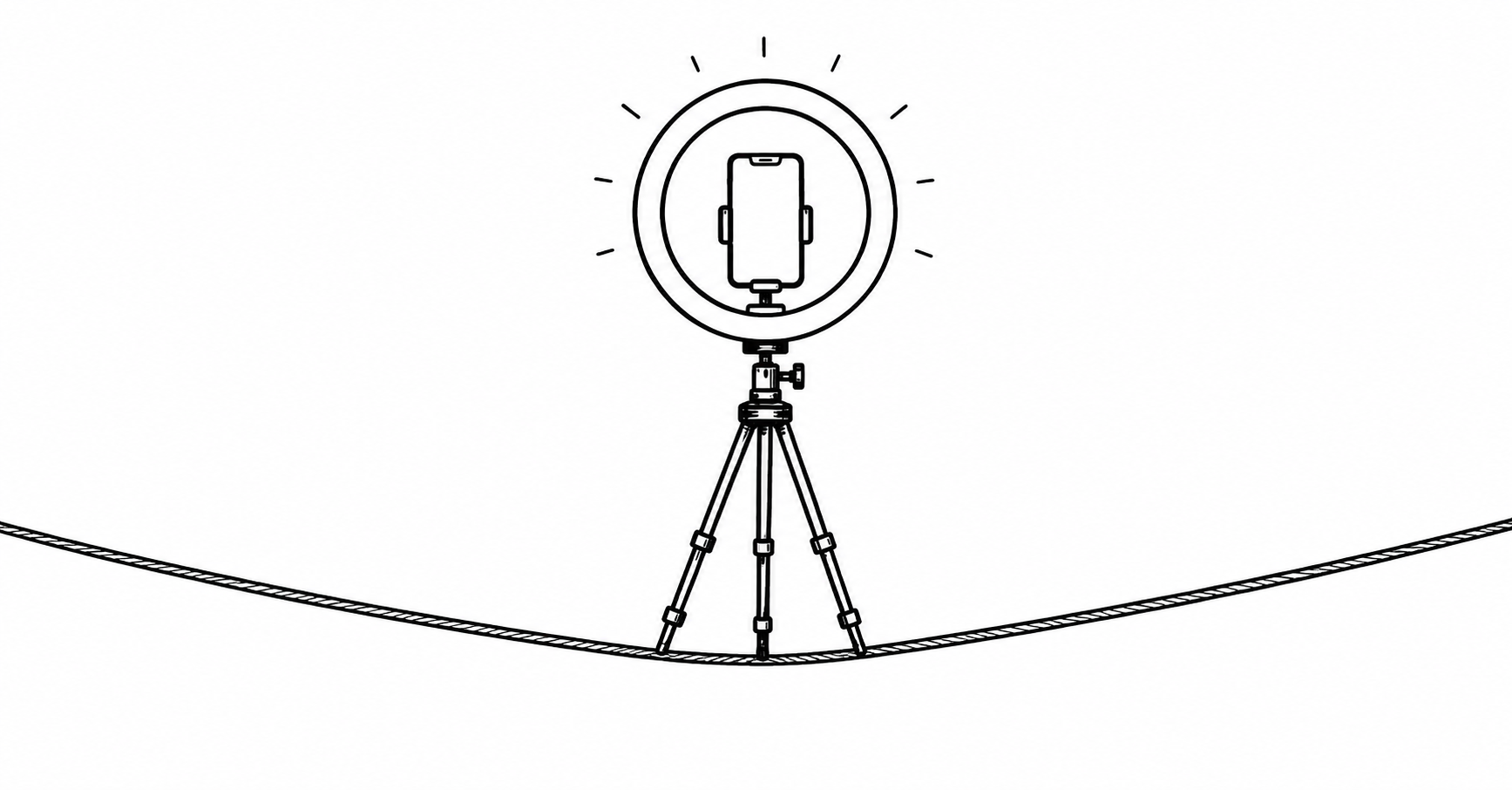
While creators generate billions in value, most have no safety net, no equity, and no legal protection. The policy gap is widening as platforms scale.
By Bryson Davis June 24, 2026
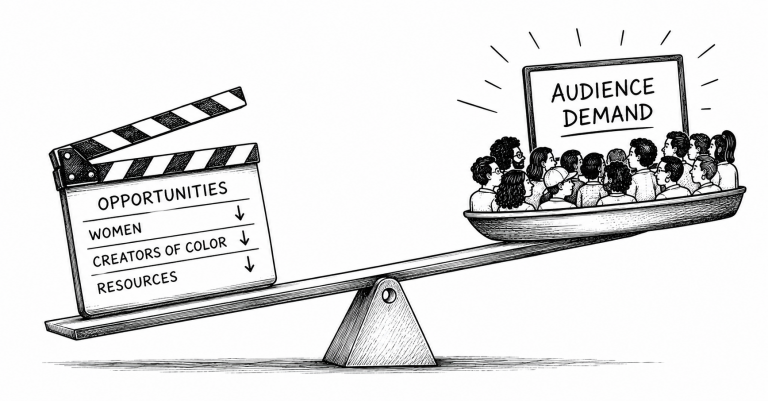
The American Influencer Council released a report this week that landed with quiet alarm: labor policy has failed to keep pace with the creator economy. The report, titled “Built Not Posted,” draws on contributions from eight university scholars and flags what the organization calls the “creator labor gap”—a participation-to-sustainability disparity the AIC characterizes as one of the largest in any U.S. industry.
The numbers are stark. According to a 2025 Collabstr survey, male influencers earn 40 percent more from brand sponsors than female influencers. A 2024 SevenSix Agency report found that creators of color are paid significantly less than their white counterparts. A 2026 NeoReach survey of 539 creators found that 77 percent price their work based on time and effort, framing their partnerships as skilled production labor. Yet brands continue to anchor compensation to follower count—a structural mismatch that disadvantages creators with smaller but more engaged audiences.
This is not market variation. It is systemic.
The creator economy was supposed to democratize media production. What it has done instead is create a new class of workers with no legal status, no union representation, and no baseline protections. Most creators operate as independent contractors, a designation that means platforms owe them nothing: no health insurance, no retirement contributions, no unemployment benefits, no minimum wage. The work is skilled and time-intensive. The protections are nonexistent.
The legal question animating this gap is straightforward but unresolved: Is the creator economy a labor market or a marketplace? If creators are workers, platforms owe them protections. If they are vendors selling goods, platforms owe them only the terms of service. Platforms are betting the legal system stays confused. Misclassification arguments that once dominated rideshare discourse are now migrating to social platforms. The outcome will determine whether millions of creators have any legal recourse.
The timing matters. Three members of Congress introduced legislation on June 3 that would establish a new federal right to creator protections. New York’s S.8420-A, which took effect June 9, requires advertisers to disclose AI-generated humans in paid media—a rule that forces brands to scramble while creators themselves have no baseline protections around deepfakes, data use, or algorithmic transparency. The regulatory moment is now. And creators are losing.
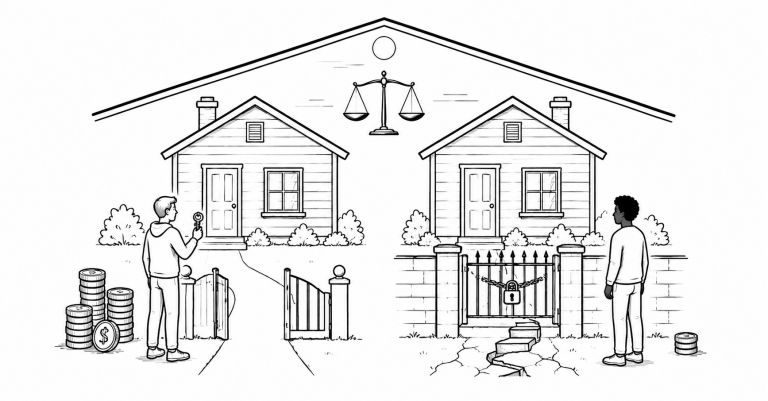
Several structural problems compound the labor crisis. First, the gendered and racialized pay gap reflects older patterns of undervaluation based on audience demographics. Female creators and creators of color earn less not because their work is less skilled or less valuable but because the audiences they reach are perceived as worth less to advertisers. This is discrimination dressed up as market dynamics.
Second, the dependency on follower count as a compensation metric systematizes undervaluation across the board. A creator with 50,000 deeply engaged followers might generate more brand value than one with 500,000 passive ones. Yet compensation models reward raw numbers. This incentivizes burnout, self-exploitation, and the performative exhaustion that has become the aesthetic norm on platforms like TikTok.
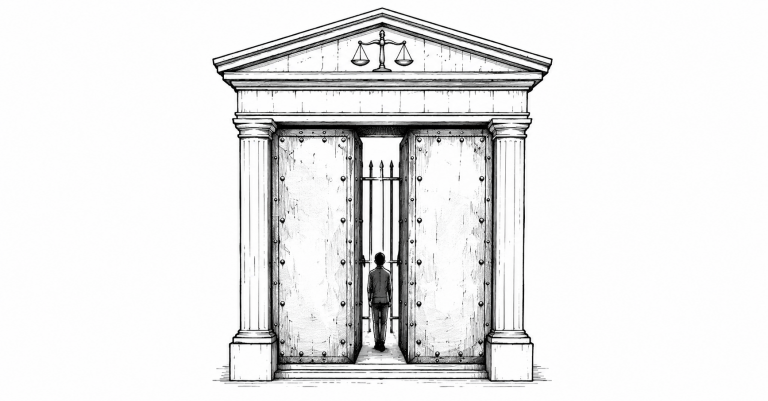
Third, the absence of collective bargaining means creators negotiate individually against platforms with vastly asymmetrical power. A single creator can be demonetized, shadowbanned, or algorithmically erased without recourse. Platforms control distribution, algorithm, payment systems, and the terms of service. Creators have followers and time.
The American Influencer Council is the first U.S. trade association established to advance labor protections and small-business rights for career creators. Its framing of the crisis is deliberate: this is not about protecting hobbies or side hustles. This is about the millions of people for whom content creation is their primary income source, yet who have fewer legal protections than food delivery drivers.
Without intervention, the creator economy will replicate the extractive labor patterns of the gig economy. Creators will either migrate to owned platforms where they control distribution (Patreon, Substack, YouTube with its own monetization rules), unionize through organizations like the AIC, or burn out entirely and leave the economy.
The mythology of “creator freedom”—the idea that anyone with a phone and internet connection can build an audience and earn a living—remains powerful. It is also increasingly hollow. The data suggests that the creator economy has matured into something resembling traditional media production, with all the same power asymmetries and labor exploitation patterns. The gap between the mythology and the reality is widening. And policy has not caught up.
That gap is where creators are falling through.