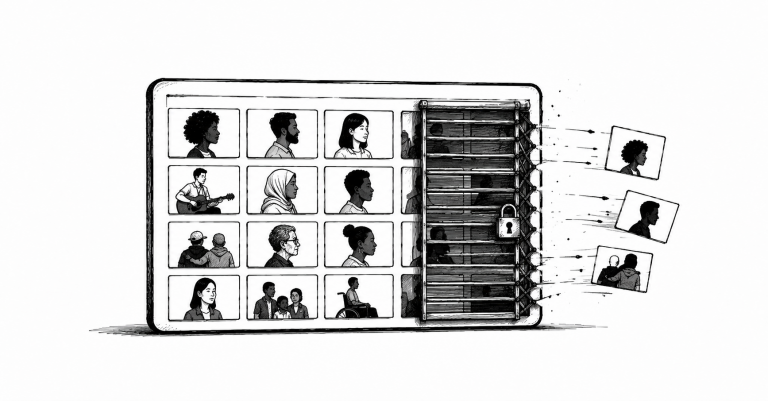

Diversity in Streaming Films Fell. Audience Demand Didn’t.
A new UCLA report found fewer opportunities for women and creators of color in streaming films last year, even as diverse audiences continued to drive viewership.

Ana-Christina Ramón and researchers at UCLA’s Entertainment and Media Research Initiative reported that representation in streaming films declined across several categories in 2025. The study found that non-white leads accounted for 36% of streaming originals, down from 51% in 2024. Directors and writers of color also lost ground, while women directed just 23.6% of the films analyzed, the lowest share since the streaming report began in 2022. At the same time, diverse audiences remained a major force behind viewership, with households of color overrepresented among viewers for most of the year’s top-performing streaming films.
The mechanism behind those numbers is economic caution. After years of subscriber growth at any cost, streaming companies have shifted toward profitability. Budget discipline, layoffs, and consolidation have changed the incentives guiding content decisions. When companies become more risk-averse, executives often retreat toward familiar relationships and proven formulas. Diversity initiatives that expanded during the competition for subscribers now face pressure from a different set of priorities.
That shift creates a contradiction visible throughout the UCLA findings. The report noted that households of color were overrepresented among viewers for nine of the top ten streaming films and seventeen of the top twenty. “KPop Demon Hunters” led household ratings across every demographic group studied, with women of color playing a particularly important role in driving viewership. Audience demand did not disappear. Access to creative authority did.
The budget figures reveal where power moved. Eighty-one percent of films directed by women had budgets below $20 million. Opportunity remained available, but resources became concentrated elsewhere. The industry did not stop hiring women and creators of color altogether. It assigned many of them to smaller projects with fewer financial stakes. Capital determines whose stories receive marketing support, distribution, and the chance to become cultural events.
Streaming’s early years encouraged platforms to pursue broad representation because growth depended on reaching audiences traditional Hollywood often overlooked. The business has matured. Investors now expect margins rather than subscriber races, and that expectation changes executive behavior. Inclusion becomes easier to defend during expansion than during cost-cutting cycles.
Power is moving away from creators and communities that benefited from streaming’s growth phase and back toward a narrower group of decision-makers managing risk. Yet the viewership data suggests audiences have not made the same retreat. Consumers continue rewarding stories that reflect a broader set of experiences.
That tension is likely to shape the next phase of entertainment. If studios continue concentrating resources while audiences continue rewarding diverse content, pressure will build from outside the traditional system. Independent producers, international creators, and lower-cost formats may capture opportunities that large platforms increasingly hesitate to fund. The demand for representation did not vanish. The willingness of institutions to invest behind it became more uncertain.