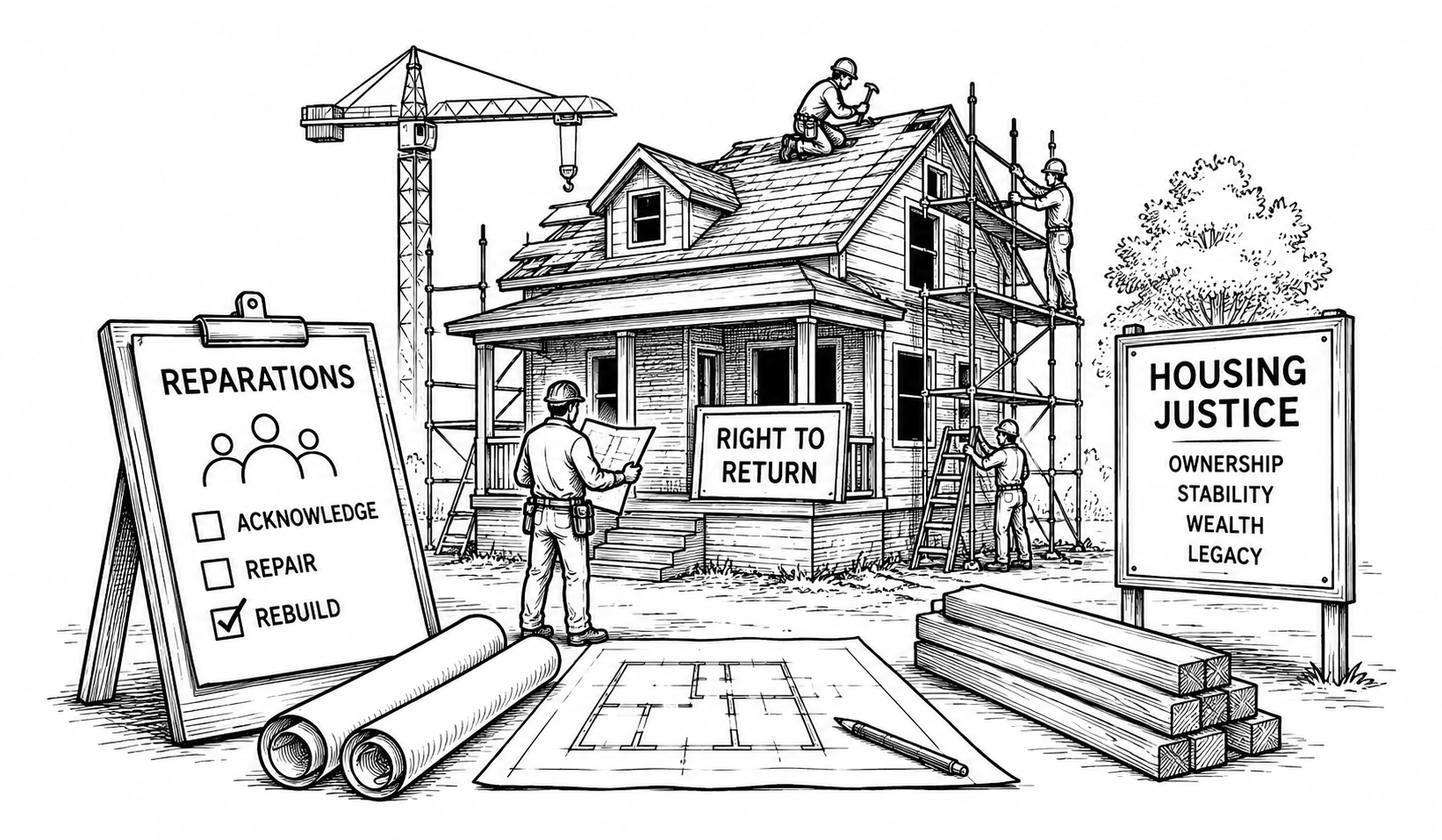
Reparations Moved From Commemoration to Architecture
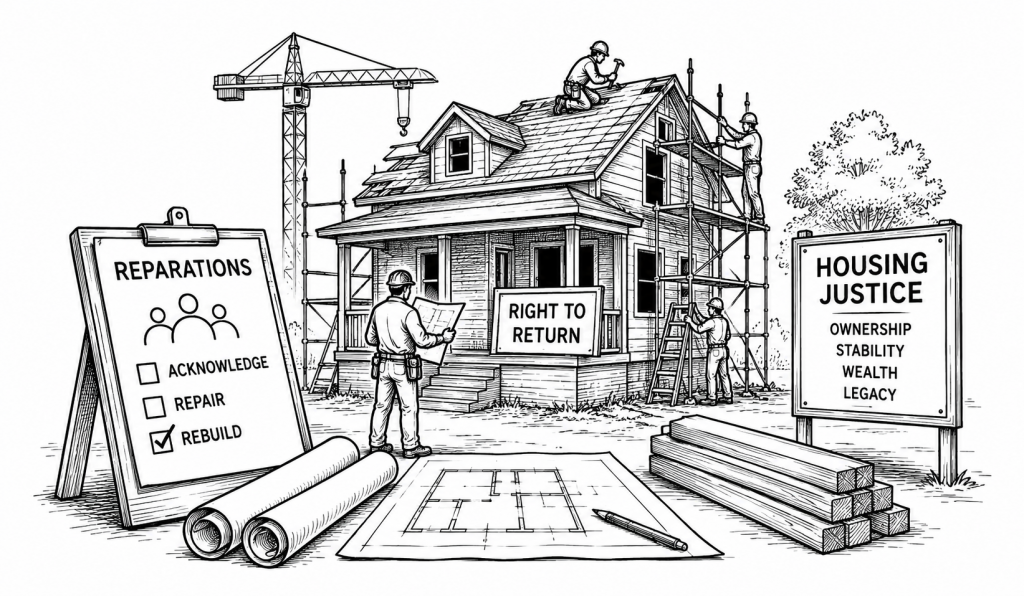
Two cities stopped debating whether reparations should happen and started building the housing infrastructure to deliver them.
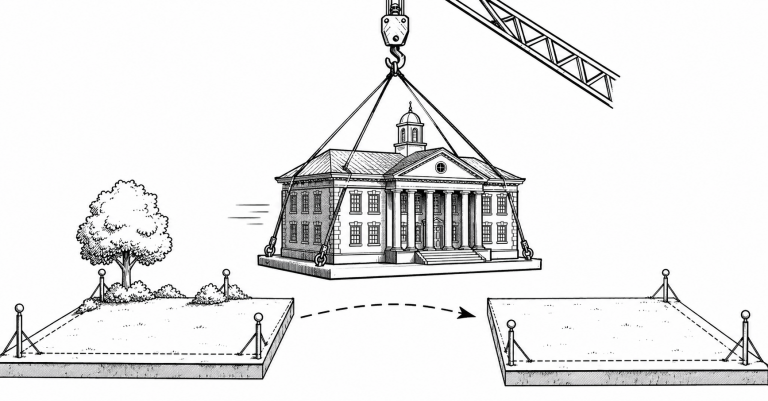
Santa Monica and Evanston have both moved past the symbolic phase of reparations into actual program design, according to the Center for Law and Social Policy. Evanston’s Restorative Housing Program, funded by a $10 million reparations fund seeded by a local cannabis tax, offers eligible Black residents up to $25,000 toward mortgage assistance, down payments, or home repairs. Santa Monica’s Right to Return Program, with a $400,000 initial budget, addresses the city’s use of eminent domain in the 1950s and ’60s to displace Black residents for a convention center and the I-10 freeway. Both programs made the same deliberate choice: neither offers direct cash payments. Both instead route compensation through housing.
That choice is the real story, not the dollar figures. Direct cash payments carry political and legal exposure that housing-specific remedies largely avoid — and they also risk eliminating recipients’ eligibility for other public benefits, since lump-sum cash counts as a countable asset in most federal assistance programs while a housing grant, paid through a lender or contractor, typically doesn’t. Routing reparations through housing isn’t a workaround. It’s an acknowledgment that the original harm was structural and specific: redlining, exclusionary zoning, eminent domain seizures, and urban renewal programs that displaced Black homeowners and blocked their access to the housing wealth that built most American family fortunes. A program addressing that harm with general cash doesn’t repair the actual mechanism that caused it. A program rebuilding access to housing wealth does.
The architecture comes with real friction. Evanston’s program has run into funding limits — its cannabis tax revenue depends on a single dispensary, since statewide licensing obstacles have prevented additional retailers from opening — and only 16 of more than 600 applicants were selected in the program’s first housing lottery. City officials have discussed expanding the fund using general revenue, but the city’s own legal counsel warned that doing so could expose Evanston to taxpayer lawsuits. That tension is structural, not incidental: a reparations program funded by a dedicated, narrow revenue stream stays politically insulated but financially constrained, while a program funded by general tax revenue gains scale but invites the exact legal challenge that has kept federal reparations proposals stalled in Congress for over three decades.
That federal stall is the backdrop these city programs are filling. H.R. 40, the bill establishing a commission to study reparations, has been reintroduced in every congressional session since 1989 and has never passed. No federal reparations program exists in 2026. What’s filled that vacuum is a small but growing set of municipal experiments — Evanston, Santa Monica, Asheville, Durham — each testing a different mechanism for the same underlying claim: that housing discrimination was specific enough, and documented enough, that compensation should be specific too. California’s return of Bruce’s Beach to the descendants of its original Black owners in 2021 took the architecture one step further, returning actual land rather than its cash value.
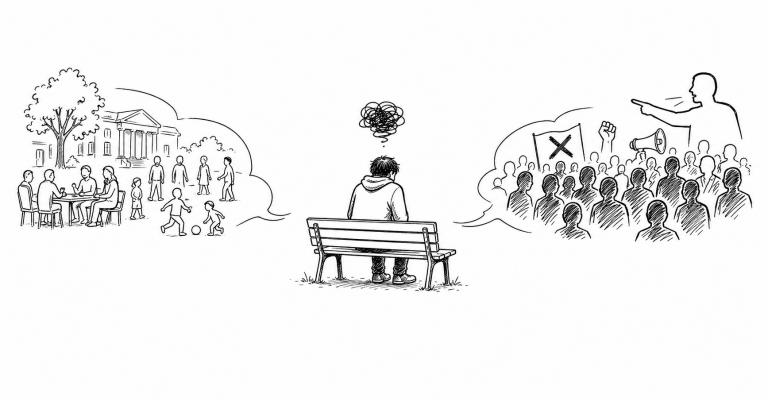
These programs are still small relative to the scale of the harm they’re addressing — Evanston’s lottery system alone makes clear that demand outstrips available funding by a wide margin. But the shift from commemoration to architecture changes what reparations actually requires going forward. A city that issues an apology can move on once the statement is made. A city that builds a housing program has to maintain a funding stream, defend it legally, and account for who gets served and who doesn’t, year after year. Power moves from a symbolic act controlled entirely by the city issuing it, toward a sustained obligation that residents, courts, and future city councils can hold the program accountable to. The federal commission Congress still won’t authorize would do that work nationally. Until it does, the test case is running at the scale of city budgets and cannabis tax revenue.
— SSC Policy Desk | Social Storytellers Collective
Free, daily structural analysis like this lands in your inbox every weekday morning. Subscribe: https://246481934.hs-sites-na2.com/newsletter