Health Coverage Is Becoming a Cost-of-Living Cliff
The ACA enrollment drop shows how flexible work depends on a benefits system built for stable employment.
Ali Swenson reported for Associated Press that roughly 3 million fewer Americans had Affordable Care Act health plans in February than at the same point last year, according to new federal data. Enrollment fell 13%, from 22.1 million people in 2025 to 19.2 million this year, after enhanced federal subsidies expired on Jan. 1 and premiums jumped for many households.
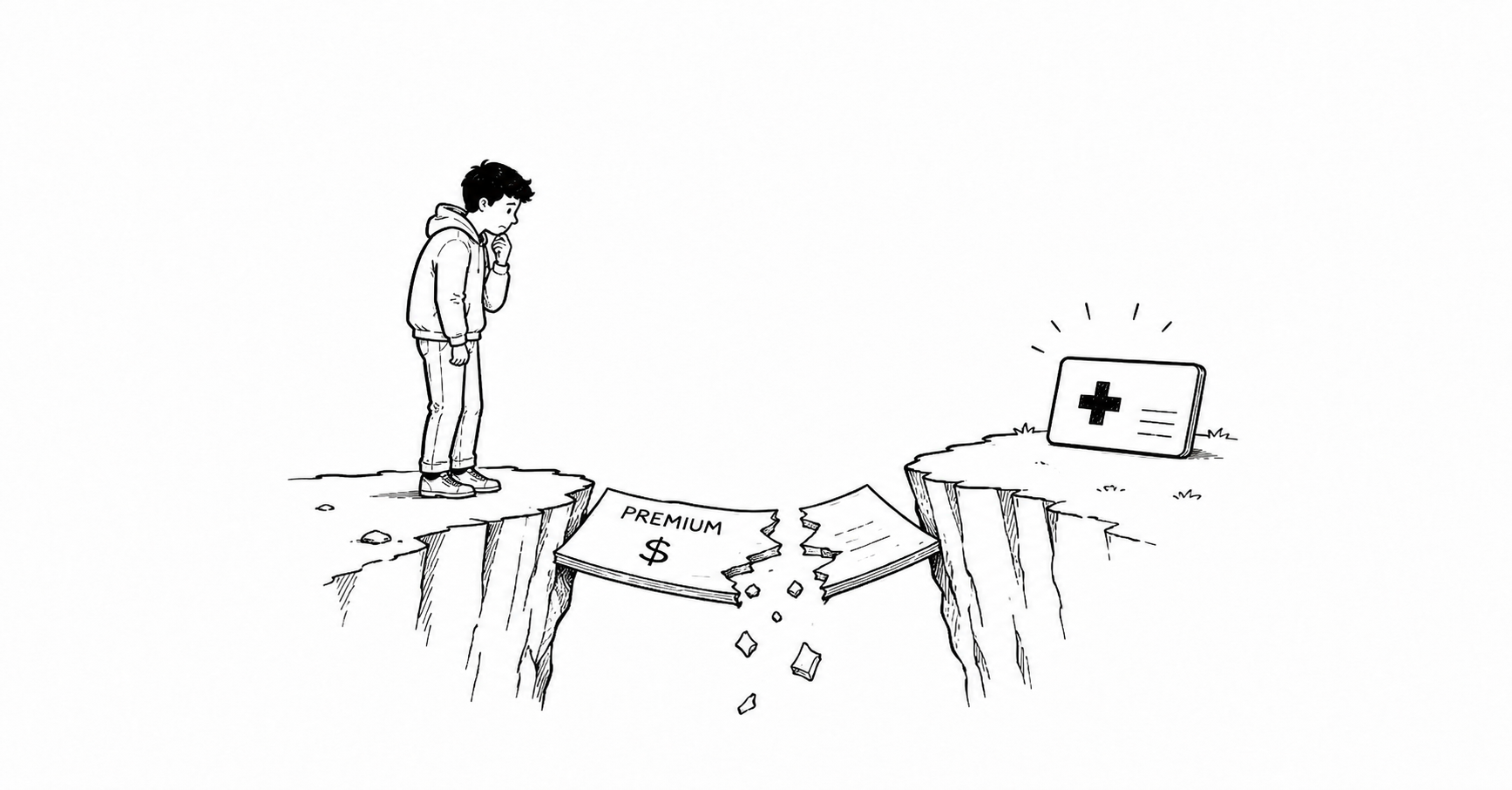
Health insurance still operates as if the standard worker has a standard employer. That assumption keeps breaking. The people most exposed to ACA premium shocks are often the same people the economy increasingly relies on: gig workers, farmers, ranchers, hairstylists, freelancers, small-business owners, early retirees, and workers between jobs. They do not sit inside the employer benefits system, so the individual market becomes their bridge between earning income and maintaining basic coverage.
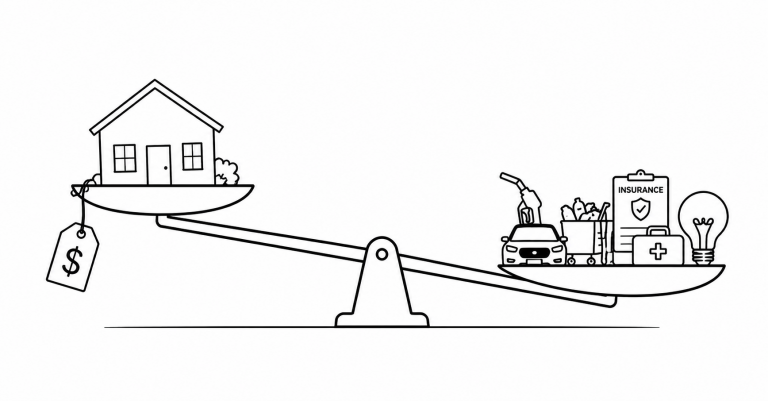
The federal government framed part of the enrollment decline around fraud enforcement and phantom sign-ups. Health analysts pointed to a more basic mechanism: cost. Cynthia Cox, a vice president and director of the ACA program at KFF, told AP that real people lost coverage at the same time millions faced double- or triple-digit increases in premium payments. When the premium moves faster than the household budget, coverage becomes the bill people drop before they drop rent, food, gas, or debt payments.
That matters because the labor market has normalized instability while the benefits system still prices stability as the default. A worker can be productive, fully employed, and still uninsured if their work does not come with a benefits department attached. The economy gets the flexibility of independent labor, but the worker absorbs the volatility that comes with buying health insurance alone. The risk is no longer limited to people outside the labor force. It reaches people working exactly the way the modern economy tells them to work.
The subsidy cliff also exposes the political fragility of household protection. A tax credit can function like infrastructure when it keeps people insured, but it can vanish through a budget fight that most households do not control. Power moves from the worker’s ability to plan to Congress’s willingness to renew affordability. That turns coverage into a temporary condition rather than a durable floor, and it makes the household budget dependent on a legislative calendar.
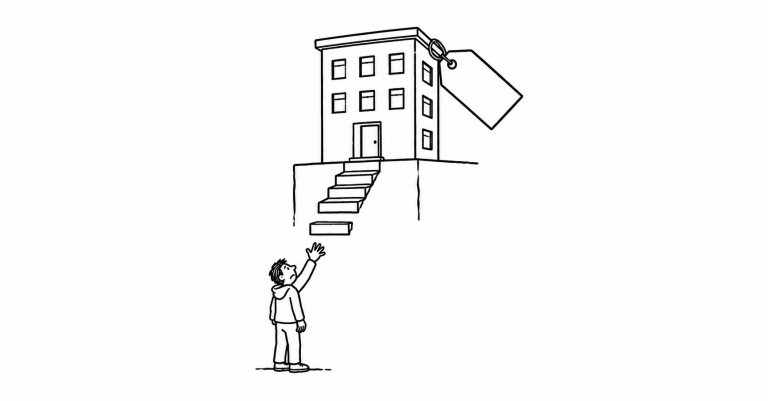
The practical consequence is delayed decision-making across everyday life. People avoid switching jobs, leaving bad employers, starting businesses, or reducing hours when insurance becomes too expensive to replace on the open market. The ACA was designed to loosen that bind by creating an individual market with subsidies attached. Once those subsidies shrink, the old lock returns in a different form. The worker may still have choices on paper, but the price of health coverage narrows which choices are safe to make.
KFF expects enrollment could continue falling through the year, potentially to about 17.5 million. That number would not only mark a decline in a federal health program. It would show how quickly a modern labor market can push risk back onto individuals once the policy support underneath them is removed. The decline also marks a warning for any sector depending on independent workers to absorb more of the economy’s volatility.
The next pressure point will not be limited to hospitals or insurance exchanges. It will show up in delayed care, medical debt, job choices, and the small decisions workers make when staying insured costs more than staying flexible. A labor market built on independence cannot remain stable if independence means buying protection at unaffordable prices.