The FTC Just Said AI Companies Are Deceiving You. Now Watch Whether Anything Changes.
The Federal Trade Commission proposed a policy statement in July that names something AI companies have been doing quietly for years: designing outputs around objectives you don’t know about. The question is whether naming it is the same as stopping it.
On July 1, the Federal Trade Commission issued a proposed policy statement targeting what it calls the “suppression of accuracy” in artificial intelligence systems. The document says that AI companies that secretly design their systems’ outputs around undisclosed objectives — commercial, ideological, or otherwise — may be violating Section 5 of the FTC Act, which prohibits unfair or deceptive trade practices. The public comment period runs through July 31.
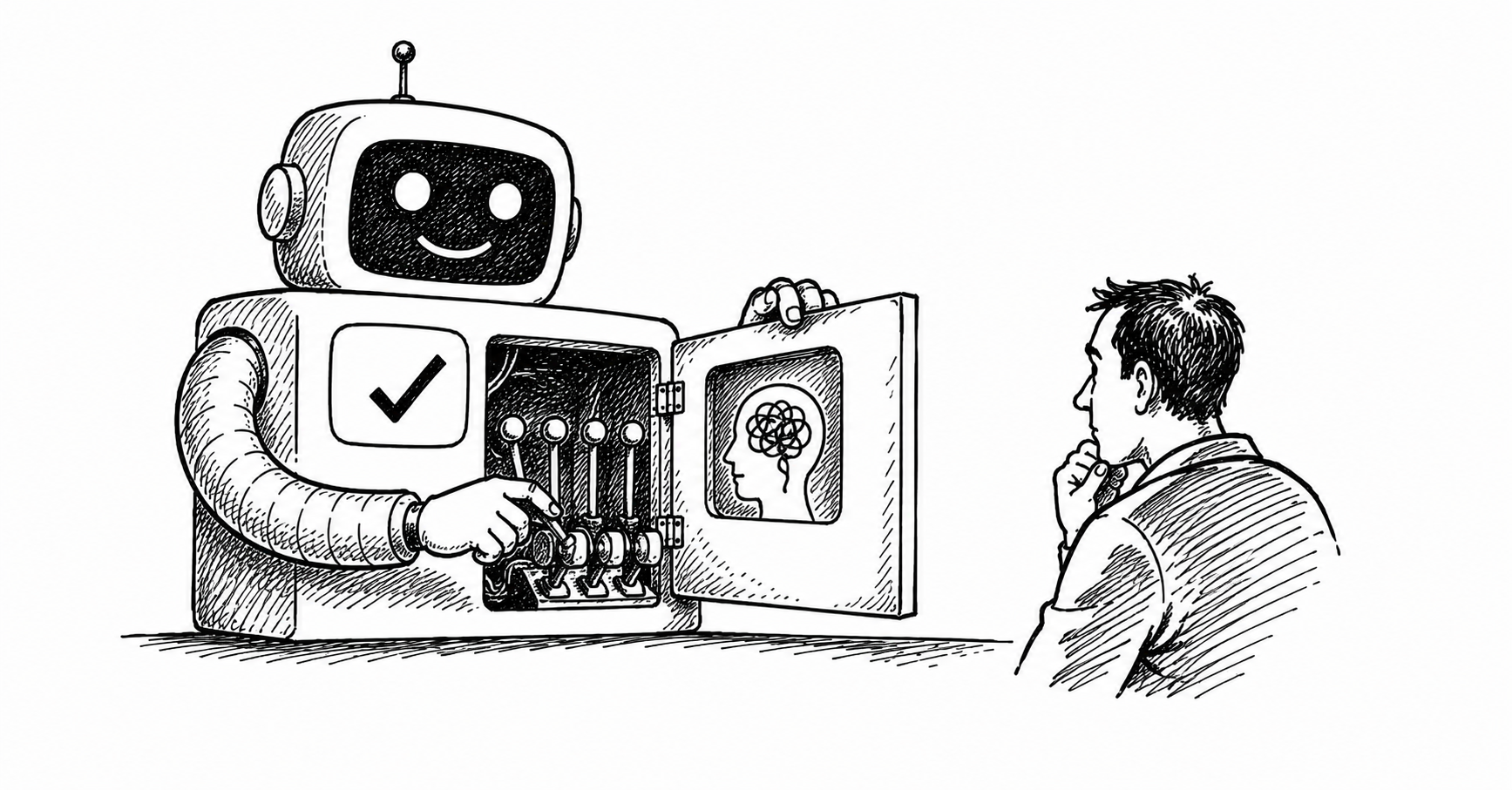
This is the first major federal regulatory move to treat AI output steering as a consumer protection issue rather than a speech or safety question. It is also a statement of something that anyone paying attention already suspected but that the regulatory architecture has not, until now, been willing to say plainly: AI companies are not building neutral tools. They are building tools calibrated toward objectives you don’t know about, and they have been marketing them as something else.
WHAT SUPPRESSION OF ACCURACY ACTUALLY MEANS
The FTC’s language is careful but the point is direct. When an AI company trains a model to avoid certain topics, soften certain conclusions, favor certain framings, or produce outputs aligned with advertiser relationships, content moderation preferences, or political risk assessments — and does none of this transparently — the company is presenting the tool as objective while designing it to be something else.
The FTC’s proposed standard: consumers have a reasonable expectation that AI systems are built to produce the best, most accurate output possible. Companies have made both explicit and implicit representations to that effect. When the actual design diverges from that expectation, the divergence is deceptive.
The data point the agency uses to establish harm is significant: consumers accept AI outputs without independent fact-checking more than 90% of the time. That number is not incidental to the FTC’s argument — it is the argument. Companies have cultivated a pattern of deference and are now benefiting from it commercially while the outputs being deferred to are shaped by objectives the companies have not disclosed.
WHO GETS PROTECTED — AND WHO DOESN’T
The policy statement is a proposed rule, not an enforcement action. It creates a framework the FTC can use to pursue cases, but the agency’s enforcement capacity is limited, and the history of tech regulation suggests that naming a practice and stopping it are separated by years of litigation, lobbying, and definitional dispute.
There is also a question of who the policy actually reaches. The users most exposed to AI output steering are not the sophisticates who routinely cross-check AI responses against primary sources. They are the users who rely on AI as an authoritative source because they lack alternatives — first-generation students navigating complex institutional processes, non-native English speakers dealing with government systems, low-income users who don’t have access to the professional advisors who would otherwise help them interpret what they’re being told. These users are most dependent on AI accuracy and least positioned to detect when accuracy has been quietly managed away.
The FTC’s proposed policy statement also creates a new tension with state AI bias laws. Colorado’s Artificial Intelligence Act requires companies to mitigate disparate impact in AI outputs. The FTC’s statement suggests that suppressing outputs to avoid disparate impact findings — if not disclosed — could itself constitute deception under federal law. Two separate compliance obligations, pulling in opposite directions, with the user in the middle.
WHAT COMPANIES HAVE TO DO TO AVOID LIABILITY
Under the proposed framework, AI companies can avoid Section 5 exposure by making “clear, conspicuous, and adequate disclosures” that their systems are designed to prioritize objectives beyond what users would otherwise expect. That is the off-ramp. The question is whether companies will take it — and whether users will understand what a disclosure like “this system is designed to minimize legal liability, avoid advertiser sensitivity, and produce outputs calibrated to our content policy” would actually mean in practice.
The comment period closes July 31. Whatever emerges from it will define what the regulatory landscape for AI output steering looks like going into 2027.
— Social Storytellers Collective covers the gap between what systems say they do and what they actually do.