Microsoft Is Building for the End of the App Era
Agent-first hardware points to a workplace where software no longer waits for users to open programs.
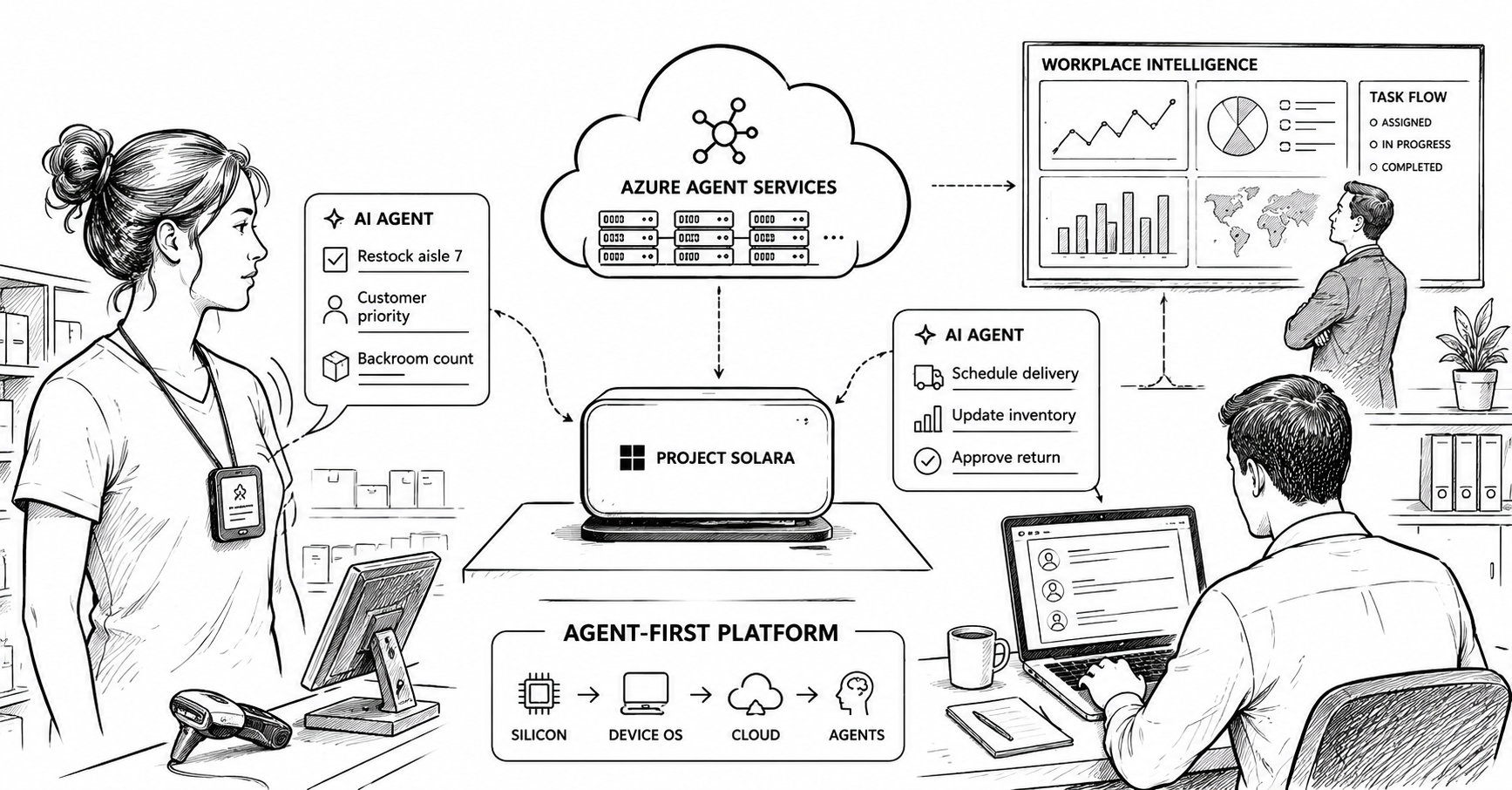
Tom’s Hardware reported from Microsoft’s Build 2026 developer conference that Microsoft introduced Project Solara, a chip-to-cloud platform designed for “agent-first” enterprise devices. The system is built around AI agents rather than traditional apps, with reference devices including a desk-mounted AI hub and a wearable AI badge for frontline workers. The named reporter should be confirmed before publication, but the mechanism is clear: Microsoft is trying to make AI agents the interface layer of work.
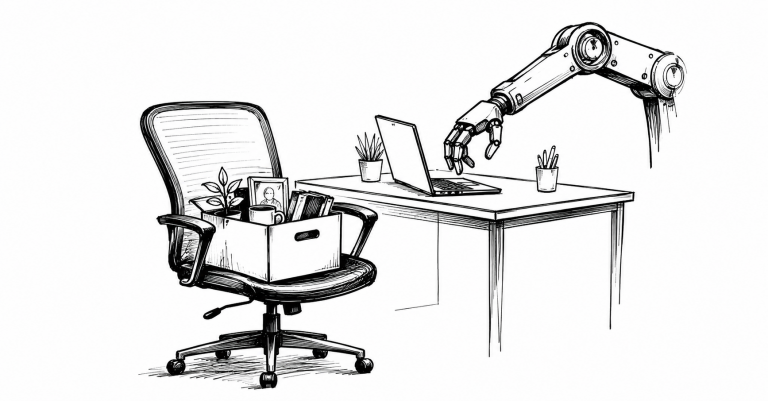
Software has spent decades organizing labor through apps. Workers open a program, enter information, move between tabs, and manually connect one workflow to another. Agent-first design changes that sequence. The device is no longer just a screen for software. It becomes a sensor, assistant, routing layer, and task manager that decides what should surface next.
The timing reflects a practical problem with enterprise AI. Companies have bought software for years, but much of that software still depends on employees manually moving information across systems. AI agents promise to reduce that friction. If the agent can read context, recognize presence, authenticate the worker, retrieve information, and initiate a task, then the workplace interface becomes less about navigation and more about orchestration.
That is why the hardware matters. Project Solara reportedly uses a lightweight edge operating system called the Microsoft Device Ecosystem Platform, based on the Android Open Source Project, with Azure-hosted agent services handling cloud-based intelligence. The design separates the visible device from the computational system behind it. The badge or desk hub becomes the worker-facing surface. The real control sits in the cloud.
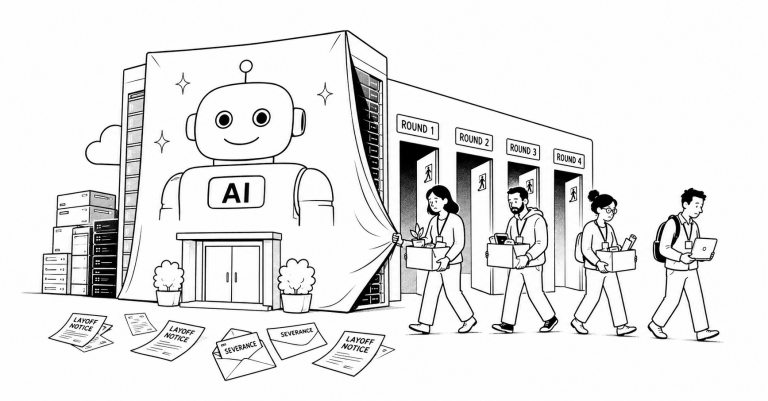
Power shifts when the interface changes. Companies that own the operating layer gain influence over how work is sequenced, measured, and completed. Workers lose some control over pacing because the system can surface tasks before a person asks for them. Managers gain new visibility into workflows. Vendors gain more influence because the workplace becomes dependent on the agent system coordinating the devices.
The pilot partners named in the reporting — including Best Buy, CVS Health, Levi’s, and Target— point to the first likely deployment zone. Retail, health care, and field service all depend on workers who do not sit at desks all day. Those workers need information quickly, but they also operate under heavy time pressure. Agent-first devices promise convenience, but convenience often arrives with monitoring attached. A badge that helps a worker retrieve instructions can also make the worker more legible to the system.
The larger structural change is that workplace computing may stop being app-centered. The app era assumed the user was the operator. The agent era assumes the system can initiate, route, and prioritize work on the user’s behalf. That can reduce administrative burden, but it also centralizes decision-making inside platforms workers do not control.
The next fight over enterprise software may be less about which app employees use and more about which system gets to stand between the worker and the work. Once agents become the default interface, the company that controls the agent layer controls the path through which tasks, data, and managerial authority move.