
Meta Is Using Celebrity Partnerships to Normalize Wearable AI Surveillance

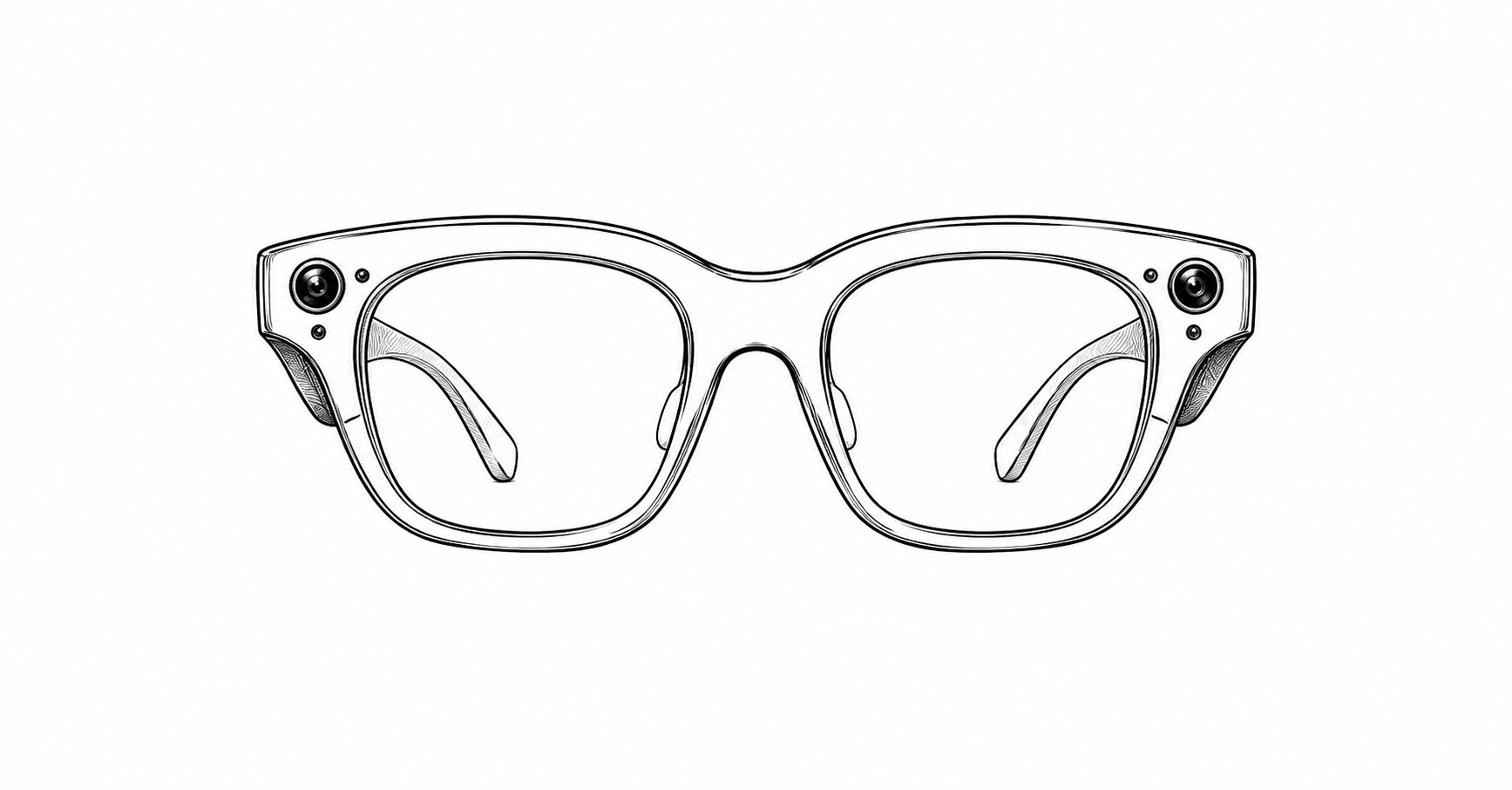
On Tuesday, Meta unveiled three new smart glasses. Two models—the Adventurer and Fury—cost $299. The Starfire, marketed as a collaboration with celebrity Kylie Jenner, costs $399. All three contain identical AI functionality, 3K video capture, real-time translation, hands-free calling and messaging. Same hardware. Same AI. Different pricing.
The $100 premium is not for additional technology. It is for Kylie Jenner’s frame design and the cultural legitimacy her endorsement carries.
That gap reveals the actual mechanism underneath Meta’s strategy: use celebrity partnerships to overcome consumer skepticism about constant wearable surveillance. The narrative shifts from technology to culture. Wearing Meta glasses becomes less about accepting a surveillance trade-off and more about participating in a lifestyle that Kylie Jenner has already made aspirational.
Meta is not the first company to use celebrity to sell technology. But the scale of this moment is significant. Wearable AI is entering mainstream consumer adoption. The infrastructure that will capture continuous video, audio, location, and behavioral data from younger consumers is being sold through a frame that positions surveillance as a fashion statement.
The mechanism works in layers. First, celebrity partnerships create market segmentation. The Kylie glasses are functionally identical to the $299 models, but the pricing justification shifts from technical innovation to cultural access. You are not paying for better AI. You are paying for belonging to the culture Kylie Jenner represents.
Second, embedding AI directly into always-on wearable hardware removes friction from constant data collection. Smartphones require you to consciously hold the device, point a camera, press record. Wearable glasses are passive. They capture continuously. Hands-free operation is positioned as convenience. It is actually the normalization of passive surveillance.
Third, celebrity early adoption reframes the entire value proposition. When a high-status celebrity wears surveillance infrastructure, it signals that surveillance is not something to resist or fear. It is something to aspire toward. The question consumers ask shifts from “Do I want to be constantly recorded?” to “Can I afford to be recorded by Kylie Jenner’s glasses?”
The distribution strategy confirms this. Meta is targeting younger consumers explicitly—the demographic most susceptible to celebrity influence and most likely to adopt wearables as cultural identity rather than functional tools. This is not about glasses. It is about building a consumer base that views continuous data extraction as a status marker.
Where this leads is predictable. Wearable AI will become normalized infrastructure. Adoption will stratify. Some consumers will wear standard $299 glasses. Others will pay premiums for celebrity-endorsed versions. The underlying surveillance architecture remains identical. But cultural perception will diverge based on which frame you wear.
The precedent is already established. Luxury brands have spent decades using celebrity to justify premium pricing on functionally identical products. Tesla did it with electric vehicles. Apple did it with phones. Now Meta is applying the same playbook to surveillance hardware.