Ghana’s Credit Rating Upgrade Reflects Real Fiscal Progress. The Structural Inequality That Produced the Crisis Has Not Changed.
Fitch upgraded Ghana’s sovereign rating in 2026. The upgrade measures creditworthiness, not development trajectory. Those are not the same thing.
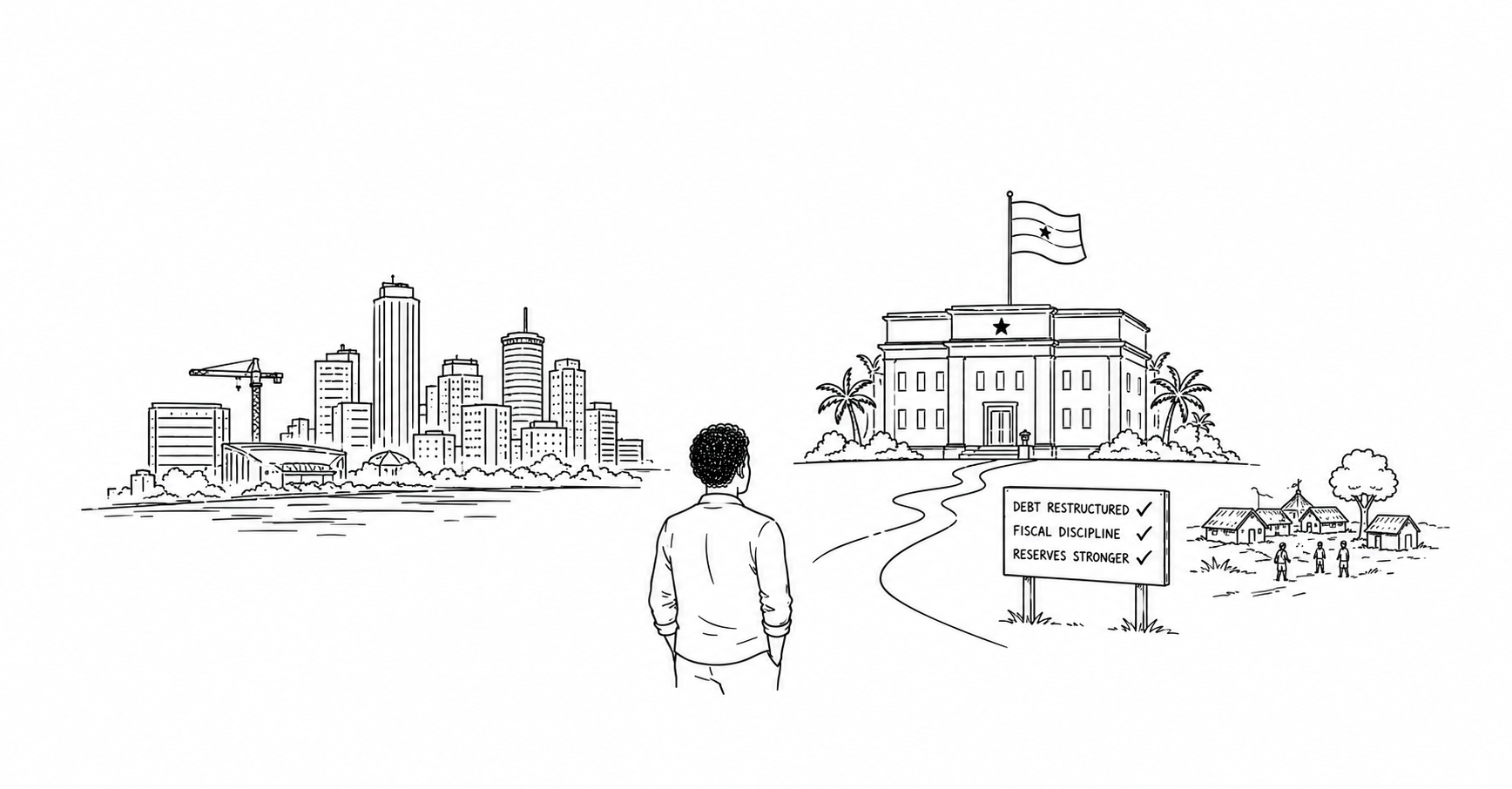
Fitch Ratings upgraded Ghana’s sovereign credit rating in 2026, citing improving fiscal management and stronger foreign reserves following the country’s debt restructuring program that began in 2022. The upgrade was reported by BusinessDay NG and Business Insider Africa as a milestone in Ghana’s economic recovery, and it is — in the specific, technical sense that sovereign credit ratings measure. Ghana restructured its debt, met its IMF program targets, rebuilt its reserve position, and demonstrated the fiscal discipline that ratings agencies require to revise their assessment upward.
That is real progress. The institutional work required to exit a debt restructuring program is not trivial. The Bank of Ghana and the Akufo-Addo and successor administrations navigated a painful consolidation period, and the Fitch upgrade reflects the outcome of that navigation.
Sovereign credit upgrades are not development assessments. They are assessments of the likelihood that a government will service its debt obligations. What Ghana’s upgrade tells the world is that its bonds are lower-risk investments than they were rated in 2022. It does not tell the world that the structural conditions that produced the fiscal crisis requiring debt restructuring in the first place have been addressed.
Those conditions remain. Ghana’s economy is commodity export-dependent: gold, cocoa, and oil have historically driven export revenue, making the country’s fiscal position vulnerable to commodity price cycles it cannot control. External debt vulnerability — the susceptibility to sudden capital outflow pressure and foreign exchange shortfalls when global risk appetite shifts — is a structural feature of the export model, not a correctable deficit in fiscal discipline. Ghana went into crisis in 2022 in part because of global conditions: rising interest rates in the United States and Europe triggered capital outflows from emerging markets, and the commodity price shocks of the post-pandemic period combined with domestic inflation to produce a perfect storm the government’s fiscal position could not absorb.
Ghana’s fintech ecosystem is genuinely strong: mobile money accounts exceed 26.7 million, and the sector is growing at a pace that positions Ghana as one of Africa’s leading digital financial inclusion markets. These are assets. They are not the same as structural diversification of an export economy or reform of the terms on which Ghana participates in global capital markets.
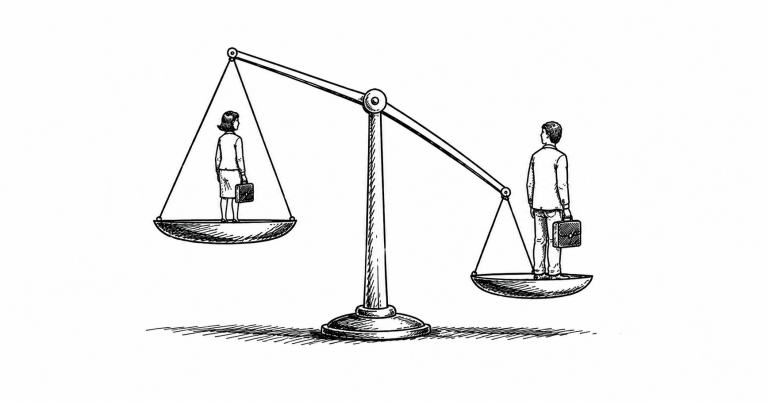
The upgrade will reduce Ghana’s borrowing costs on international markets, enabling the government to refinance debt at lower rates and potentially increasing fiscal space. That is a tangible benefit. The structural inequality within Ghana’s economy — the gap between the professional and commercial class that has benefited from the country’s growth periods and the rural and informal workers who bore the sharpest cost of the crisis through inflation, currency depreciation, and reduced public service budgets — has not been addressed by the debt restructuring. The IMF program did not include conditions designed to close that gap.
Ghana is in a better fiscal position in July 2026 than it was in July 2022. Fitch has measured that improvement accurately. What happens to the inequality the crisis exposed depends on domestic political choices the rating does not govern.