

The Vote Changed. The Bill Didn’t.
Democrats took Congress. The costs kept landing on the same households.
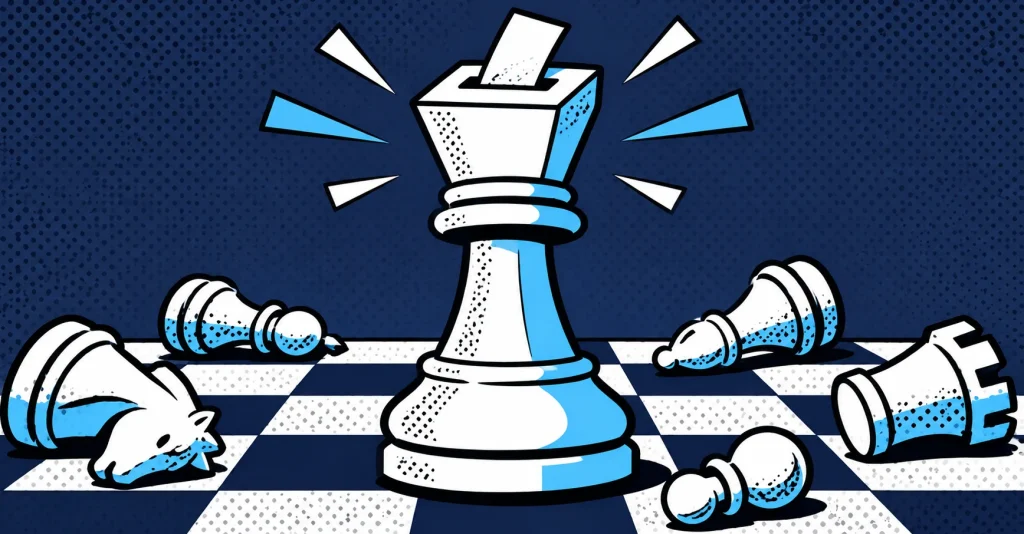
A week ago, voters sent a message loud enough to flip both chambers of Congress. About nine in 10 Black voters backed Democrats, two years after Black men gave Donald Trump historic support, and they became the deciding vote across the South. In Mississippi, Scott Colom, the man Sen. Cindy Hyde-Smith once kept off the federal bench, won the Senate seat, helped along by a 30-second ad built on her “pick another protein” shrug. Preelection polls called the direction right and missed the size of the wave by about 4 points. Then the economic data arrived, and it showed what an election can’t do on its own: change who absorbs the cost while the new majority waits until January to be sworn in.
The paycheck lost again
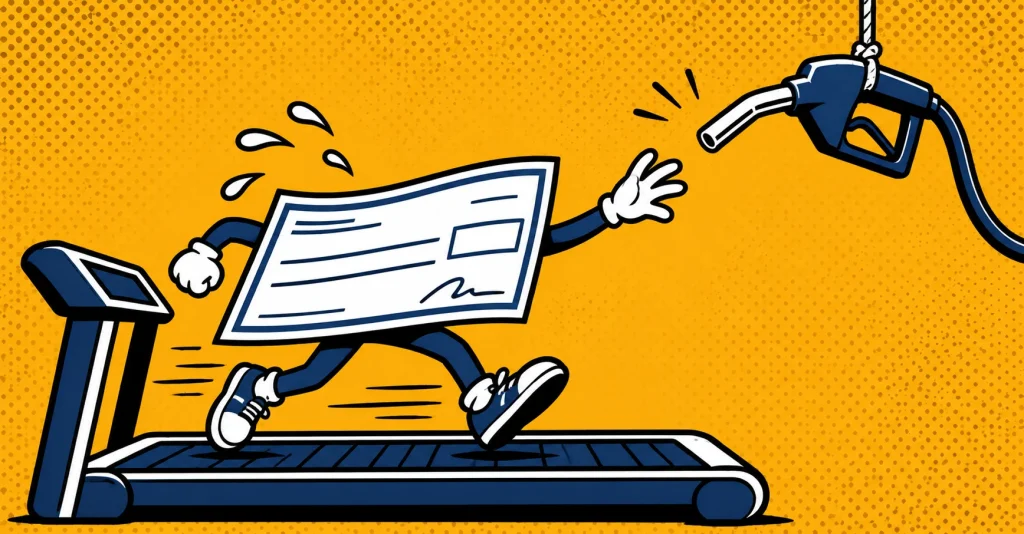
Inflation hit 4%, and the Fed’s main tool works by making credit more expensive for the households already behind. Paychecks have now lost to inflation for seven straight months, and the fastest increases are in airfare, car repairs, hospital care and electricity, the bills nobody can skip. The share of the economy that reaches workers’ paychecks just hit a record low, which is why we’re done calling this a strong economy. October added 165,000 jobs and unemployment fell to 4.1%, but hiring is the slowest since 2013, so the market now has insiders who are safe and outsiders who can’t get in. Gas fell below $4, but most of that relief is seasonal and the rest depends on Iran talks. Credit-card debt reached $1.29 trillion, new cars now average $51,109 on seven-year loans, and home sales hit a 16-year low while prices barely moved. The Fed wanted housing to cool. The people paying for that are the ones still trying to buy their first home.
Companies passed the discount down
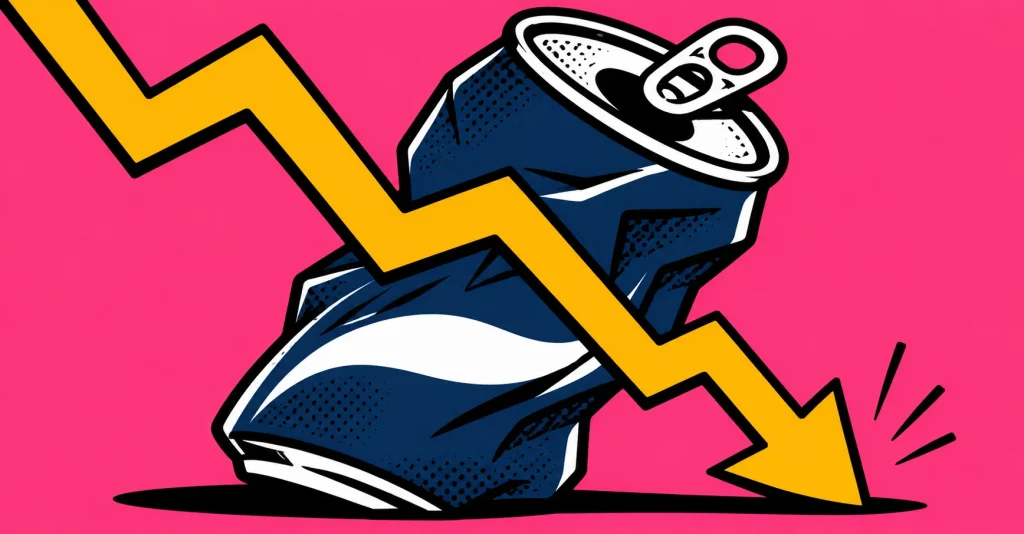
The corporate side of the ledger followed the same logic. PepsiCo cut prices to win shoppers back, and 1,000 workers are now covering the discount. Boeing has thousands of planes on order and is cutting 2,500 jobs while it slows its factories down to fix them. JetBlue raised bag fees for the second time this year, then unveiled a turnaround built around an $847 seat that budget flyers are subsidizing. Starbucks paid baristas a bonus days before Red Cup Day while the union contract is still missing. The workers who came out ahead had something in writing: about 1,200 Chicago parking attendants bargained protections against automation into their contract. Voters drew a similar line on the ballot, where 38 communities voted against data centers because they could see the power bill coming.
Power moved without a vote
While the election results set the January calendar, the administration kept rewriting the rules it can change without Congress. Stephen Miller brought his politics of confrontation into the chief of staff’s office. A new EEOC nomination shows workplace enforcement can change without rewriting the law, and the accreditation rule Trump called his “secret weapon” is now final. Defense Secretary Pete Hegseth’s office kept a second file on officers up for promotion that the officers never saw. Fox gave $1 million to Melania Trump’s charity while the Justice Department reviewed its $22 billion Roku deal, and DOJ approved the deal on a promise. Vague laws are doing the work their authors intended: Florida’s DEI ban canceled a St. Patrick’s Day parade, the Hispanic Scholarship Fund is dropping its heritage requirement after a lawsuit, and a suit against Shell turns a diversity program into evidence in a broader legal campaign.
Technology ran on single points of failure
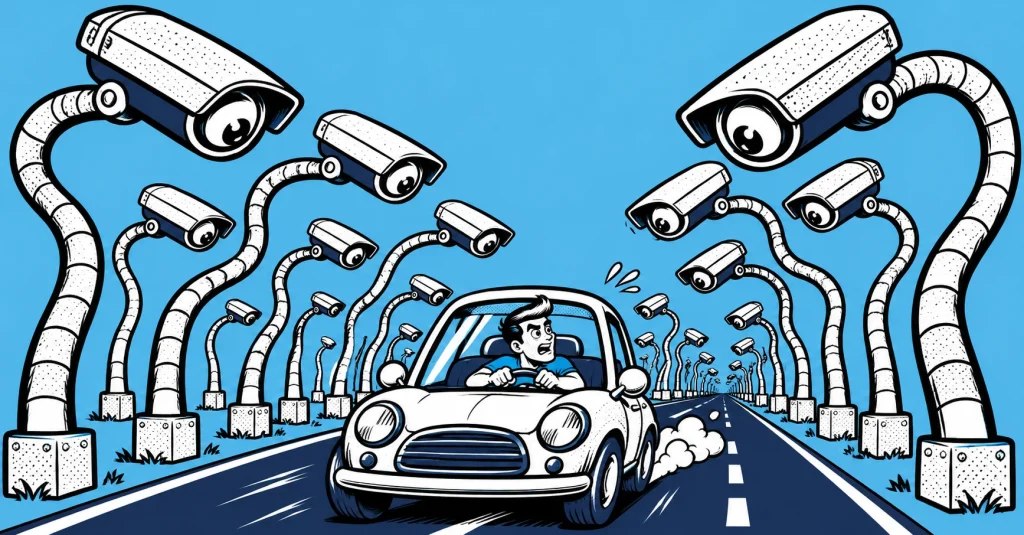
Nvidia built a $4 trillion company around Jensen Huang, and his exit showed that its board never planned for losing him. Microsoft went down for the second time in about 10 weeks, and this time its security tools went with it. Surveillance kept spreading with little public consent: at Philadelphia’s airport, walking through the door now counts as your ID check, and Houston has more than 4,000 license plate cameras most drivers don’t know about. Whoop, which joined Medicare this year, now wants you to post your sleep score to a social network whose privacy rules don’t match.
Culture kept the receipts

The week’s hardest culture story started with a doorbell camera at Ole Miss. Racist gestures outside three Black students’ door led to penalties handed out by the internet rather than the university, a crowdfunding page that pays out only if its recipient never apologizes, and then Jake Lang in a gorilla mask outside their apartment. Alumni money is testing institutions too, as Will Packer builds his own fund rather than give FAMU “another dime”. New Pew data found Black Americans learn who they are from the people closest to them, though the feed is catching up for younger women, and that for Black singles debt is the dealbreaker. Luxury, meanwhile, kept selling working-class symbols back at a markup, from a $348 Nike and Carhartt work jacket to a $850 Rick Owens take on a 2013 Adidas running shoe. And Angela Rye’s clash with Detroit creator Brandi McGill showed that audiences now decide who’s qualified to talk politics.
Where this goes next
The new Congress takes office in January with a mandate written at the kitchen table, and its first real test won’t be a headline AI bill. It will be whether lawmakers touch the costs households can’t cut, starting with a Social Security shortfall six years away from a 22% benefit cut, where doing nothing sends the bill to retirees by default. Expect the early fights of 2027 to be about who pays: for the power behind data centers, for the Fed’s war on inflation, and for retirement. Whether this wave holds through 2028 depends on whether voters see that bill move off their tables.
The End of Day Closing Note lands in your inbox seven nights a week with the stories behind the stories. Subscribe free.