
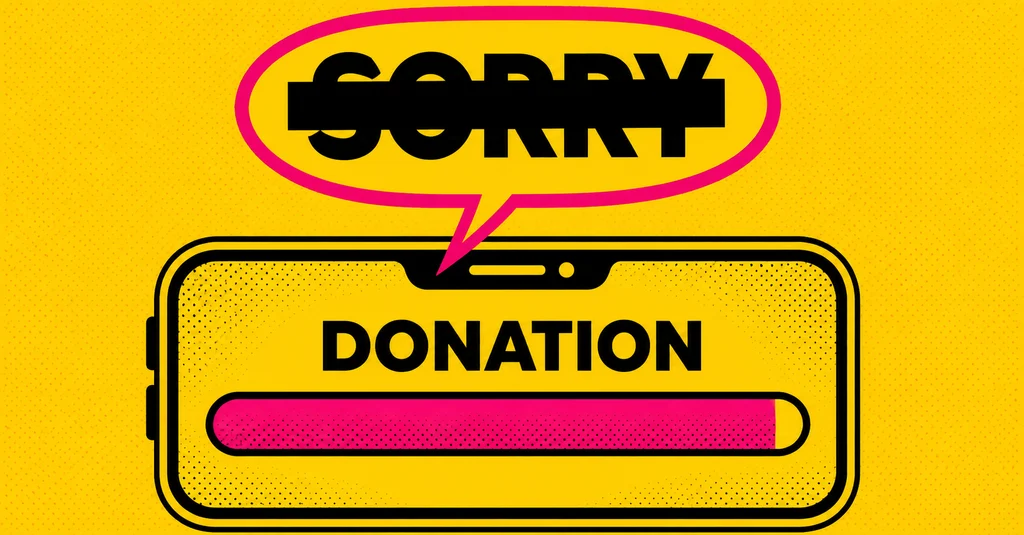
A crowdfunding page for an Ole Miss student pays out on one condition: she never says sorry.
A 13-second Ring clip from outside an off-campus apartment in Oxford, Mississippi, has produced two very different responses in less than a week. The video is time-stamped Nov. 6 at 8:37 p.m. It shows three white women walking past a door shared by three Black students, and two of them beat their chests and make monkey noises at the camera. ABC News reporters Tesfaye Negussie and Sabina Ghebremedhin reported that the clip passed 12 million views by Monday. Ole Miss Vice Chancellor Shawnboda Mead called the behavior “deeply troubling, hurtful, and unacceptable.” One student, Alaina Kunes, apologized in a statement obtained by WMC-TV in Memphis. A second student, named online but not publicly identified by the university, has taken another route, and strangers are paying her for it.
A GiveSendGo campaign launched in her name had raised $60,859 toward a $75,000 goal, according to screenshots shared by Onsite Global Media. The organizer is listed as Tom Hennessey. The page calls Kunes’s statement “the standard groveling apology” and says the money will cover lost income and opportunities. It also reserves the right to cancel the fundraiser if its beneficiary “bends the knee.” That makes it more than a defense fund. It’s a payment for holding a position, and it puts a price on an apology of about $60,000.
Why the money matters
- Conditional cash changes the math. Most crowdfunding covers costs. This campaign rewards refusal, so apologizing now costs her money as well as pride.
- The platform profits from the fight. Naomi Bethune of The American Prospect reported that GiveSendGo bans only about a third of the campaign types GoFundMe prohibits. She also found it collected nearly $2.6 million in optional donor “tips” from 2017 to 2022, so outrage traffic is revenue.
- The precedent already paid. Shiloh Hendrix was filmed in 2025 calling an autistic 5-year-old Black child a slur in Rochester, Minnesota. Her GiveSendGo campaign has raised more than $920,000, according to Newsweek figures cited by theGrio, even after a guilty verdict this summer. Bethune reported that the boy’s family raised about $9,000 toward a $250,000 goal.
- Ole Miss has seen this before. After the 2024 campus counter-protest where a student made monkey noises at a Black woman, a GoFundMe for fraternity members celebrated as “American heroes” netted more than $500,000, according to The Daily Beast.
Power is moving away from the institutions that set consequences and toward anonymous donors who can pay for someone to refuse them. University discipline, employer decisions and public apologies used to be the price of getting caught. Crowdfunding turns that price into a fundraising pitch, and the donors pay nothing either way. Campus investigations are confidential and slow, while a donation page updates in real time with a progress bar anyone can share. The three students downstairs carry the real cost. Ole Miss says its staff reached out to them with support, but no counter on their side of the story is ticking upward.
Expect the university’s eventual ruling to be treated as a scorecard by both camps. Expect the next viral clip to arrive with a playbook already written: skip the statement, wait out the news cycle and open the donation page. Until platforms or payment processors put limits on money tied to someone’s silence, refusing to apologize will keep paying better than apologizing.