
NEWS DESK | SOCIAL STORYTELLERS COLLECTIVE
Part of Social Storytellers Collective’s ongoing coverage of culture, identity, and modern narratives.
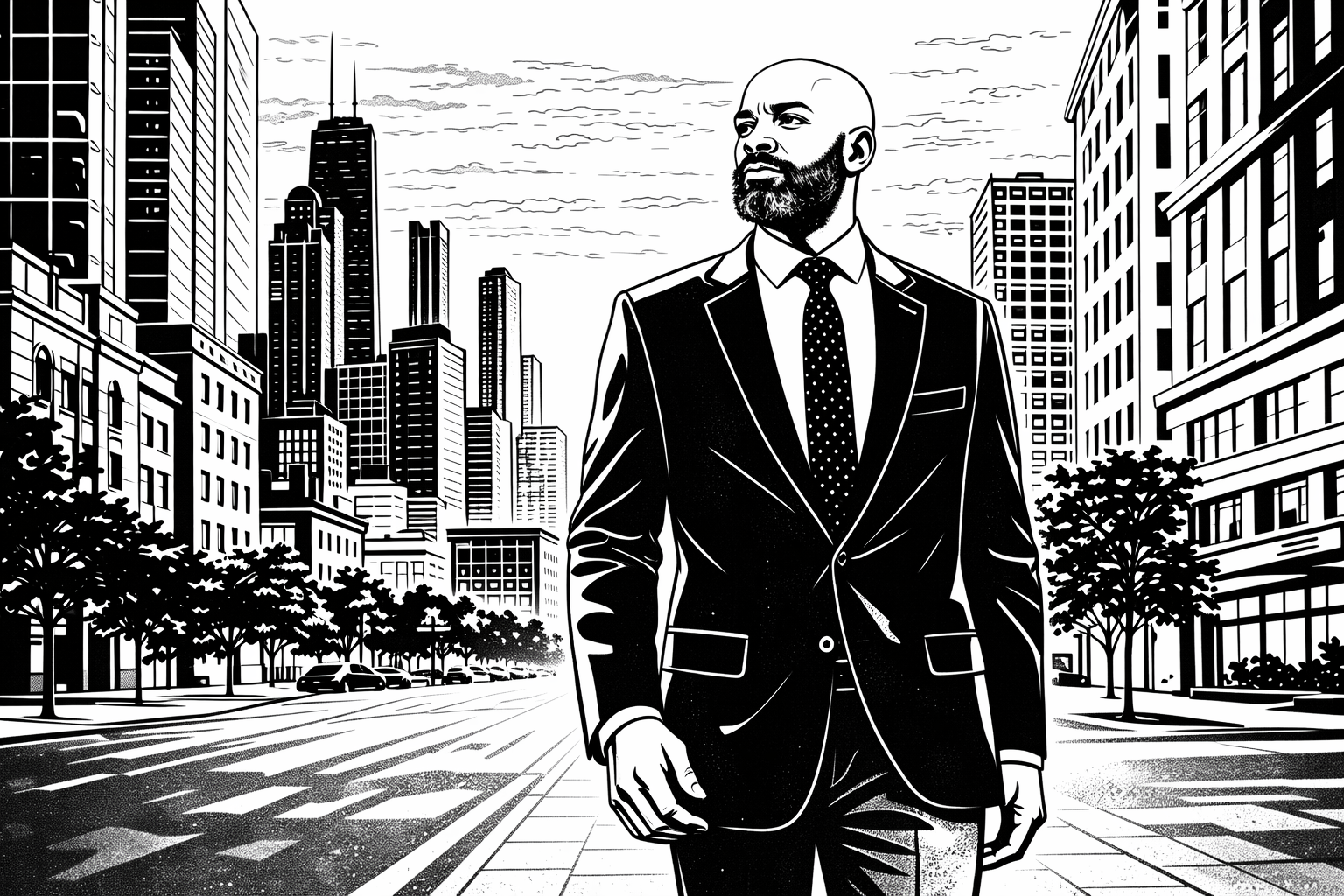
For much of the twentieth century, midlife came with a fairly legible script. By forty or fifty, you were expected to have settled. Career established, routines locked in, the path to retirement more or less visible from where you stood. The horizon was predictable, even if the journey hadn’t been.
That script is being rewritten — not by choice, exactly, but by circumstance.
The nature of work has changed too fundamentally for the old timeline to hold. According to the U.S. Bureau of Labor Statistics, the average American worker now holds around twelve jobs over the course of a career — a figure that would have been unrecognizable to previous generations for whom long-term employment with a single company was the norm. Industries are evolving faster than careers can keep pace with. Technology is reshaping entire professions. And many people are finding themselves learning new skills, changing paths, or starting over in ways they never anticipated — not at twenty-five, but at forty-five.
Retirement, once a fixed destination, has become more fluid as well. Nearly one in five Americans age 65 or older is still working or actively looking for work — a share that has grown steadily for decades. Among those between 65 and 69, roughly one in three remains in the workforce. Longer life expectancy, rising costs, and shifting financial realities have extended working life in ways that are less about preference and more about necessity. The finish line moved. For many people, nobody told them.
What’s emerging in response is something that doesn’t have a clean name yet. It isn’t the midlife crisis of cultural shorthand — the sports car, the dramatic exit, the attempt to recover something lost. It’s quieter and more considered than that. Many adults are using this stage not as a signal of decline but as an occasion for reassessment. Some are launching businesses. Others are returning to education or pursuing professional interests that earlier obligations crowded out. Many are investing more deliberately in health, relationships, and the kind of personal growth that earlier decades didn’t leave much room for.
As we explored in Starting Again at Midlife, this experience is less disruption than transition — a distinction that matters because disruption implies something has gone wrong, while transition allows for the possibility that something is simply changing. The difference in framing changes what’s possible.
The tidy milestones once associated with midlife — the stable job, the paid-off mortgage, the comfortable plateau before retirement — are becoming less universal. But their absence doesn’t have to mean instability. It can mean something rarer: the chance to reconsider, deliberately, what the next chapter is actually supposed to look like. Not what it was assumed to look like. What you want it to look like.
Midlife used to mean you were settling in. For a growing number of people, it means you’re just getting started.