Europe’s Heatwave Is Exposing the Workers Who Feed It
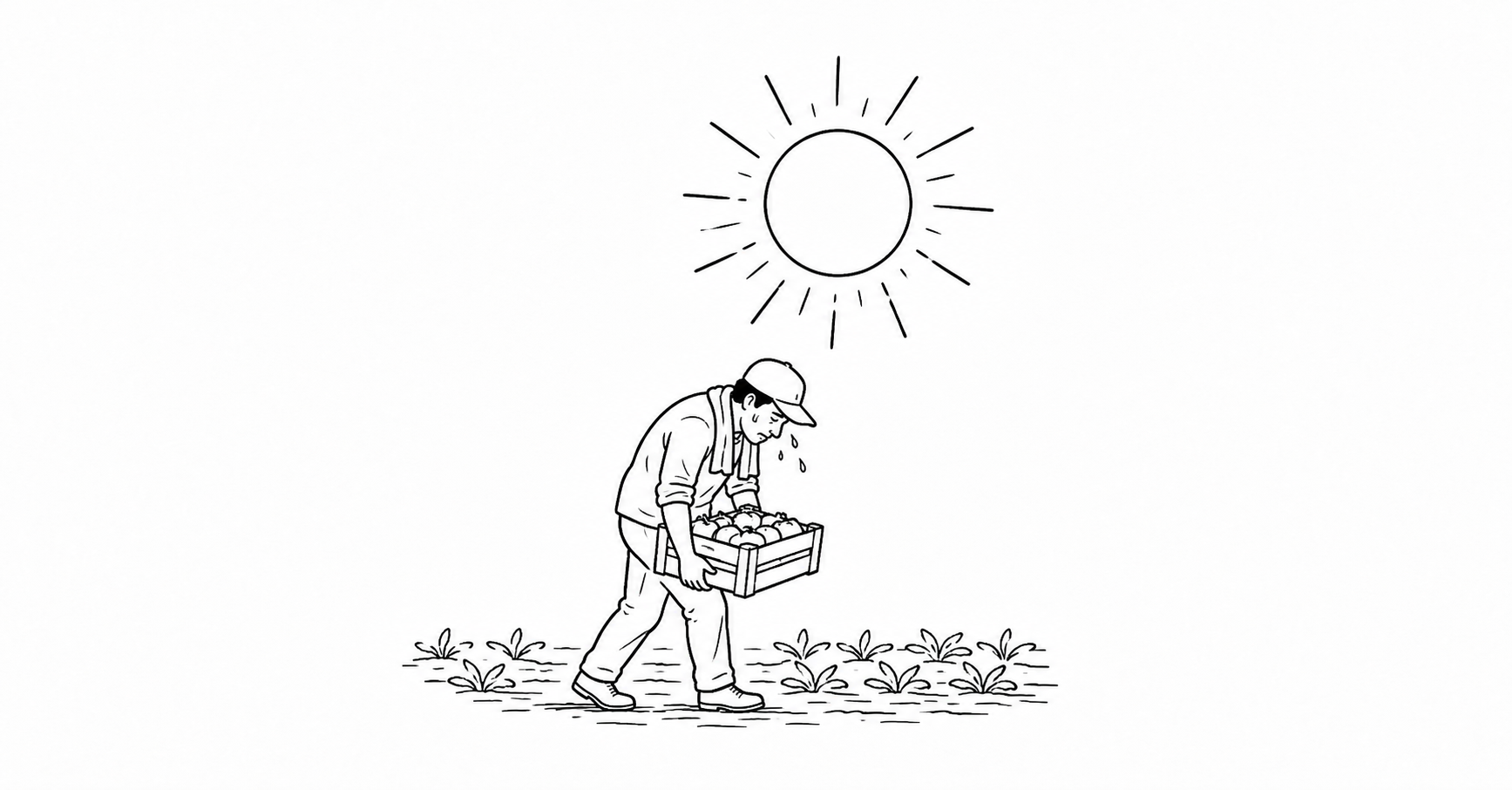
Europe’s heatwave is being measured in records, closures and emergency alerts. The UK broke a June temperature record. France placed tens of millions under heat alerts. Italy reported heat-related deaths, power strain and agricultural pressure. But the most revealing part of the heat story is not only the temperature. It is who is expected to keep working through it.
Italy’s food system depends heavily on migrant labor, including workers who harvest crops under informal or coercive arrangements. Earlier this month, the reported burning deaths of four migrant workers in Calabria drew renewed attention to the caporalato system, the illicit gangmaster structure that exploits vulnerable workers in agriculture. That story was shocking because of its violence. But the everyday violence is slower: unpaid wages, dangerous transport, overcrowded housing, document precarity and work under weather conditions that are becoming more extreme.
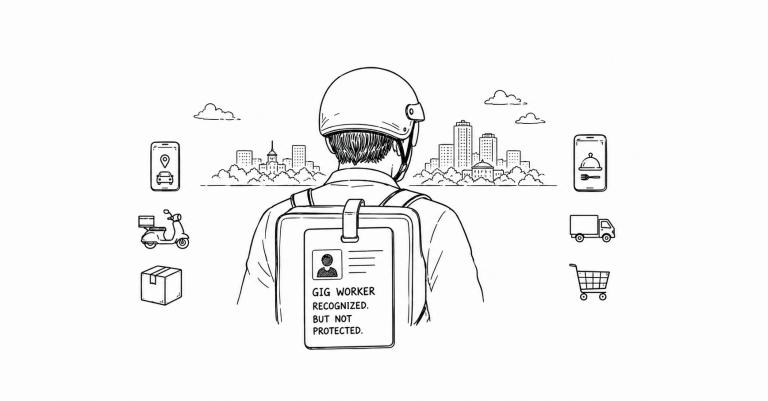
Climate adaptation is often discussed as infrastructure: cooling centers, grid upgrades, school closures, hospital readiness and water management. Those are necessary. But adaptation that does not include labor protection simply shifts risk downward. When temperatures rise, office workers may be told to stay home. Schools may close. Cultural sites may shorten hours. Farmworkers, construction workers, delivery riders and informal laborers are often told, implicitly or explicitly, that the economy still needs them outside.
That is the contradiction. Europe’s food and hospitality economies market themselves through abundance, freshness, tourism and seasonal pleasure. Yet the labor underneath that experience is frequently performed by migrants with limited bargaining power. Heat makes the arrangement harder to ignore. A tomato harvested in extreme temperatures is not just a food item. It is a record of who absorbed the climate cost.
Italy has promised reforms before, including inspections and expanded work visas. But visas alone do not solve exploitation when workers remain tied to intermediaries, language barriers, housing scarcity and fear of retaliation. The issue is not only whether workers are documented. It is whether documentation actually produces enforceable rights. If a worker cannot refuse unsafe heat conditions without losing income, shelter or future work, the legal category does not fully protect them.
The SSC frame is simple: climate risk follows power. Extreme heat does not hit every worker the same way because every worker does not have the same right to stop. As Europe adapts to hotter summers, the test will be whether governments protect the people who keep essential systems running or continue treating them as disposable infrastructure. The heatwave is weather. The labor arrangement underneath it is policy.